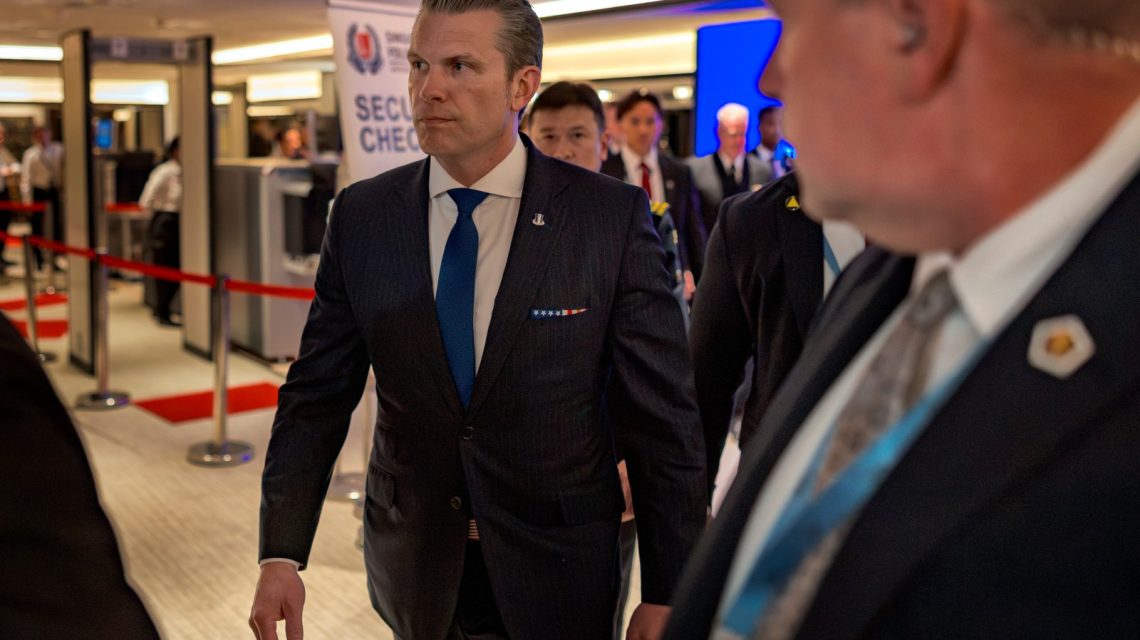
Defense Summit Remarks in Singapore
U.S. Secretary of Defense Pete Hegseth delivered remarks on Taiwan at a major defense summit in Singapore. His comments appeared designed to avoid undermining President Donald Trump’s efforts to manage U.S.-China relations, according to an analyst from a Chinese state-affiliated think tank, as reported by Newsweek. The speech occurred 15 days after Hegseth accompanied Trump on a state visit to China, the first visit by a U.S. president in nine years.
China’s Stance on Taiwan
China regards Taiwan as a renegade province destined for reunification, and has not discounted forceful measures to accomplish this. During the visit, President Xi Jinping cautioned Trump about mishandling the Taiwan situation, suggesting it could lead to a dangerous scenario. Following the trip, Trump opted to pause a potential $14 billion arms package, calling it a “very good negotiating chip.” Newsweek sought comment from Taiwan’s foreign ministry.
Hegseth’s Careful Approach
While projecting confidence to regional allies, Hegseth’s speech this year was notably subtler than his previous address at the same summit. Despite acknowledging regional concerns, he praised Trump-era U.S.-China relations as stronger than in recent years. Without explicitly mentioning Taiwan, Hegseth warned of potential Chinese aggression, emphasizing U.S. strategies aimed at deterring conflict through “denial along the First Island Chain,” making war implausible.
Arms Sales to Taiwan
The First Island Chain, a strategic line of islands from Japan to Borneo, remains crucial in U.S. defense strategy concerning China. Hegseth, aware of the sensitivity around Taiwan, especially amid dialogues for cross-strait détente, knows Trump’s decision on the arms package is pending.
Da Wei, a director at Beijing’s Tsinghua University, noted that if Trump approves the package, it could hinder President Xi’s potential visit to the U.S., as he has invested significant political effort in this issue during discussions with Trump.
U.S. Arms Supply Capabilities
In a subsequent Q&A, Hegseth dismissed concerns linking Taiwan arms sales to munitions supply issues arising from conflicts, asserting the U.S. defense industry’s capability to manage both. “Our stockpiles are more than suited for that,” he stated.
U.S. Continues as Taiwan’s Primary Arms Supplier
Under the Taiwan Relations Act of 1979, the U.S. has consistently been Taiwan’s leading arms provider. While the U.S. has indicated to Beijing a gradual reduction in arms sales contingent on threats to Taiwan, no definitive timetable has been provided.
Some experts in Washington argue that conditional arms sales empower China to intensify pressure on Taiwan. Historical adjustments to the timing of arms sales announcements have aimed to ease tensions with Beijing during sensitive periods.
 Pamela Hicks: Cousin, Bridesmaid, and Witness to History
 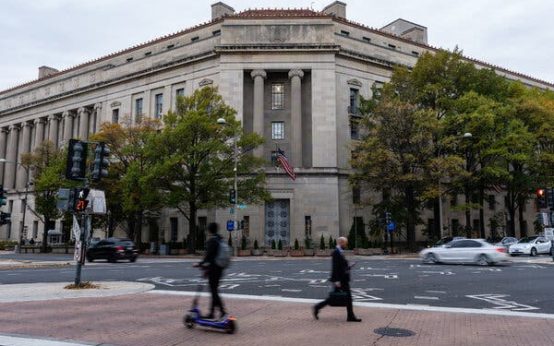 Justice Department Withdraws Plan for $1.8 Billion Fund
 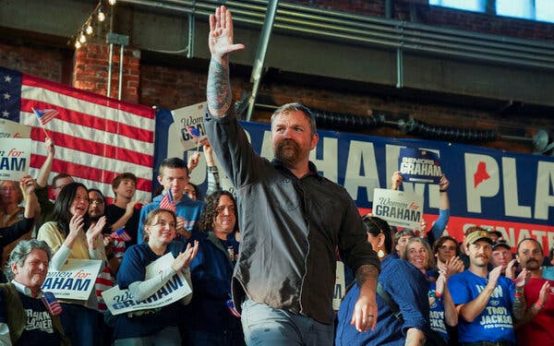 Democratic Concerns Grow Ahead of Maine Senate Primary
  Latin American Deportees in Congo: Return to Home Countries Amid Challenges
 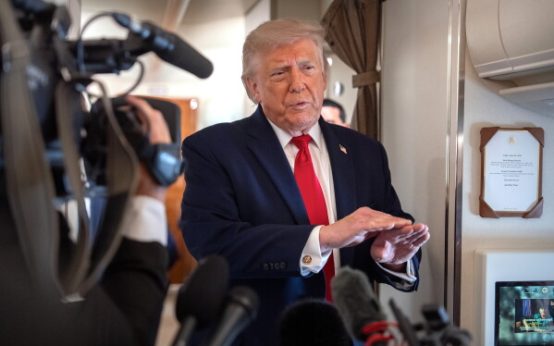 Federal Judge Invalidates Trump-Era Immigration Policy
  Debate Over White House Ballroom Construction