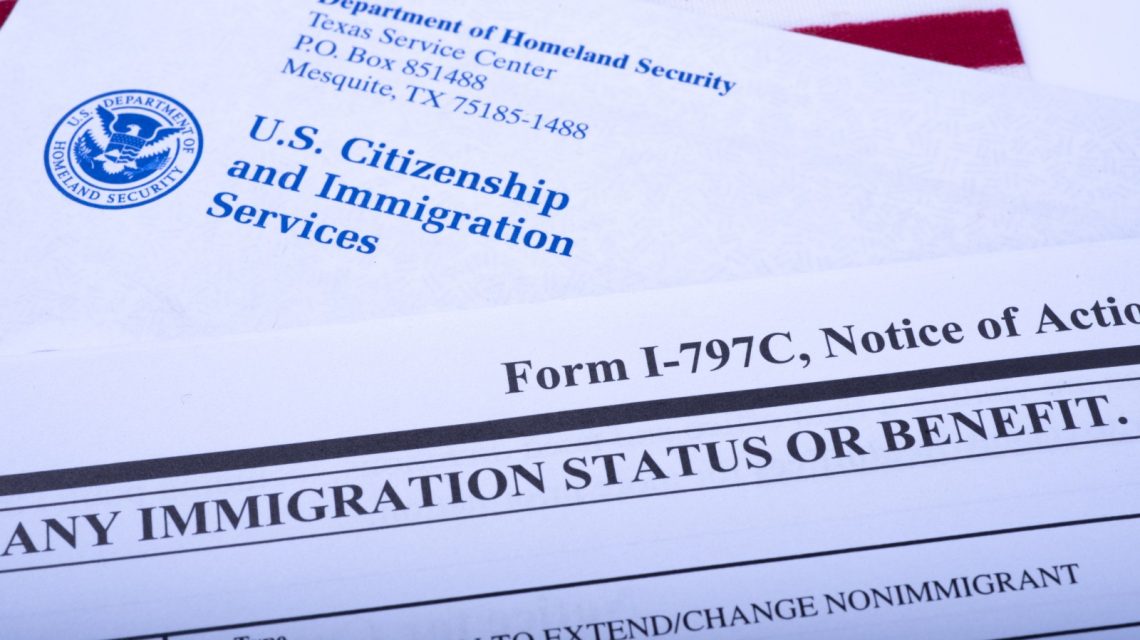
Recent Clarifications on H-1B Visa Holders
U.S. immigration authorities have clarified a significant policy from the Trump administration, potentially allowing H-1B visa holders to apply for a green card without leaving the country. This clarification follows a recent policy memo, drastically narrowing the conditions under which foreign nationals can transition to permanent residency domestically.
Policy Shift in Permanent Residency Pathways
The administration’s new approach alters the transition from temporary nonimmigrant status to permanent residency. For decades, the adjustment of status within the U.S. was routine. Now, USCIS contends that Congress intended consular processing abroad as the default, with domestic adjustment reserved for exceptional cases.
Zach Kahler, USCIS spokesman, emphasized this stance in a press release. He stated that most nonimmigrants are expected to return to their home countries for their green card process unless they meet stringent exceptions.
Criteria for Economic Benefit or National Interest
The distinction between applicants who must apply abroad and those allowed to stay hinges on whether their role provides an economic benefit or serves the national interest. For H-1B visa holders, who support key U.S. industries like technology and healthcare, this metric is crucial.
The policy’s practical implications are notable:
- Extended Travel Risks: Applicants may face delays due to visa backlogs and travel restrictions.
- Human and Corporate Toll: Risks include family separations and operational disruptions for employers.
- Lack of Regulatory Clarity: The immigration system lacks detailed criteria for domestic processing exemptions.
Understanding the H-1B Visa
The H-1B visa is an employment-based nonimmigrant visa allowing U.S. companies to hire foreign workers for up to three years, usually extendable to six. USCIS governs the program with these key rules:
- Statutory Caps: 85,000 slots per year, including 20,000 for those with a master’s degree or higher.
- Educational Criteria: The job must require a specific degree, which the worker must possess.
- Employer Obligations: Employers must offer roles that meet specialty-occupation standards and pay prevailing wages.
Future of Visa Adjustment Within the U.S.
For many years, students, H-1B workers, and other temporary visa holders pursued domestic adjustment of status, reducing family separation and job disruption. This pathway is now an exception rather than the norm, with most expected to apply for a green card abroad.
 Judge Overturns Trump-Era Immigration Policies
  Trump Aims to Reduce National Intelligence Office Size
  California Primary Election 2026: Key Races and Emerging Results
 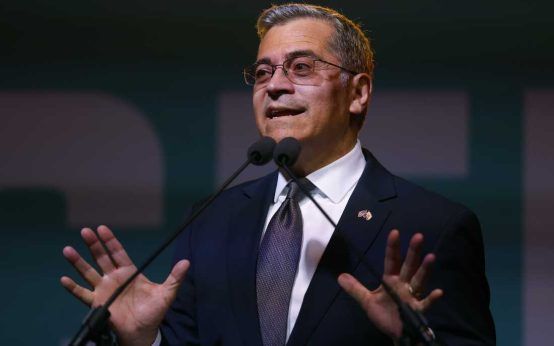 Xavier Becerra Advances in California Governor Race
 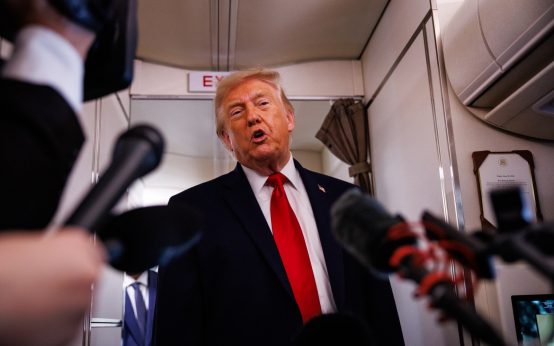 Trump Criticizes Senator Tillis Amid Nomination Discussions
 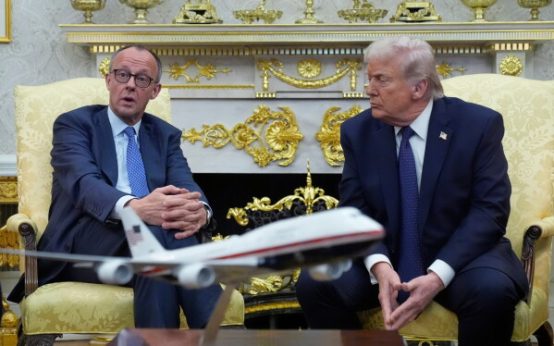 Clarity Sought on U.S. Troop Levels in Europe Amid Policy Changes