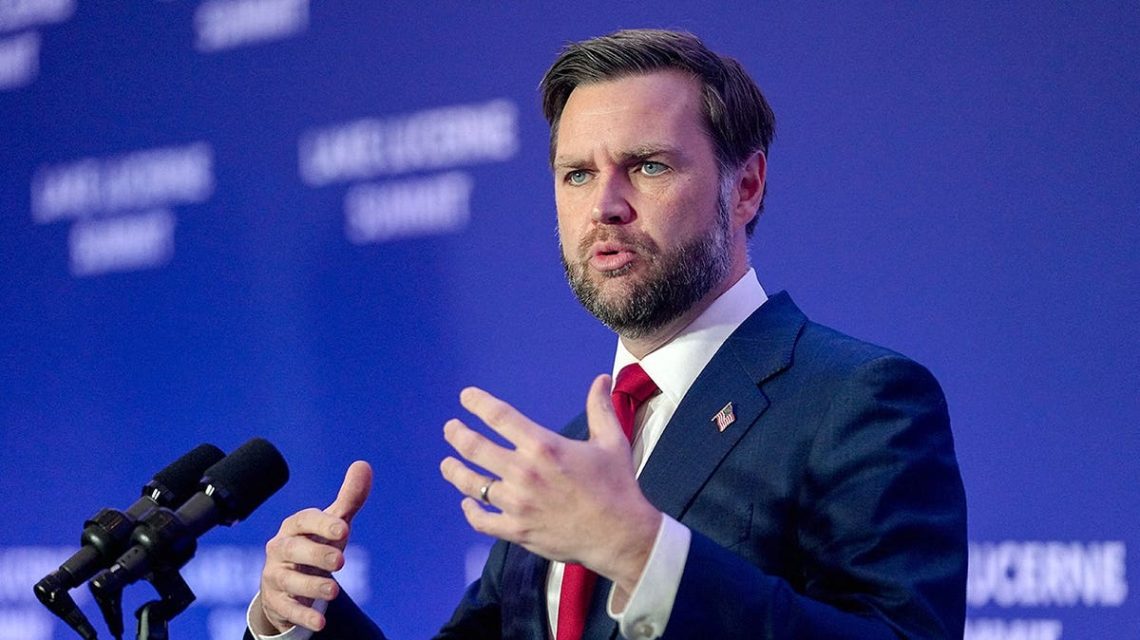
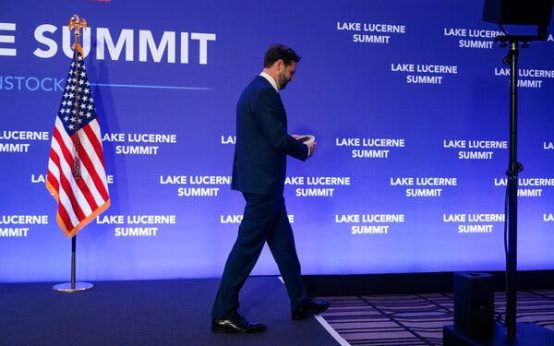
Vice President JD Vance announced key advancements in the peace negotiations between the United States and Iran, held in Switzerland. A significant outcome was Iran’s agreement to allow International Atomic Energy Agency (IAEA) inspectors back into the country. Vance proposed a plan for Iran to use its unfrozen assets to buy U.S. agricultural goods. Additionally, a deconfliction mechanism was established to support ceasefire stability.
The discussions were intense and strategic, with U.S. officials present in the talks describing them as crucial. They refuted claims from foreign media suggesting diplomatic snubs by Qatar. Iranian state media falsely reported that Qatar’s prime minister ignored Vance in the talks. U.S. representatives, however, clarified the context, stating that prior meetings with Qatari officials had already taken place.
Vance’s presence in Switzerland was viewed positively in the U.S., with a CBS poll showing that 78% of Americans support ending the U.S.-Iran conflict. Despite some public skepticism over the negotiation outcomes, U.S. officials expressed optimism, citing decreased oil prices as a sign of confidence in potential peace.
The negotiation efforts faced criticism, particularly from those who question the benefits for the United States. Critics allege Vance concedes too much to Iran. This has been a point of debate amid protests from anti-U.S. groups. A Fox News investigation revealed these protests are linked to networks funded by tech tycoon Neville Roy Singham, known for supporting the Chinese Communist Party and its allies.
Regardless of the opposition, the U.S. administration remains committed to preventing Iran from developing nuclear capabilities. Vance is noted for his continuing role, including a previous attempt in Pakistan to mediate peace that was not fruitful. His perseverance in pursuing a ceasefire keeps him central in U.S. diplomatic efforts.
The peace talk efforts have also influenced Vance’s political future prospects. Betting markets indicate a rise in his popularity for a potential presidential run in 2028, surpassing other contenders. This boost in favorability reflects both his negotiation involvement and changing public sentiment.
 Norway’s World Cup Journey
 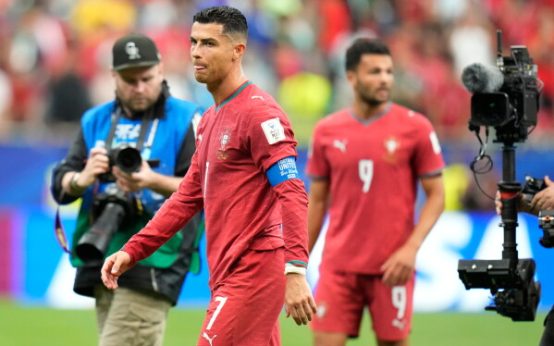 Goals Galore: World Cup Witnesses Scoring Surge
  U.S. Lifts Iran Oil Sanctions Amid Nuclear Talks
  Coffee Shop Faces Backlash Over Political Stance
  Justice Department Backs Nuns in New York Transgender Policy Dispute
 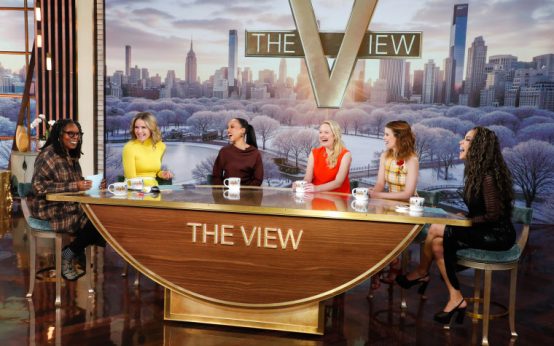 FCC Criticizes Disney’s Campaign Amid ‘The View’ Investigation