
President Donald Trump signed an executive order to oversee advanced artificial intelligence on Tuesday. This follows the delay of a prior planned White House ceremony due to concerns about maintaining America’s technological lead. The executive order introduces a framework for the federal government to evaluate national security risks posed by AI systems. Inspection can occur up to a month before their public release, with AI developers participating voluntarily.
The executive order notes that while advanced AI technologies strengthen the nation, they also prompt new national security concerns, necessitating collaborative efforts across various executive departments. The directive allows only 30 days for AI system review, notably shorter than some industry expectations. Trump had initially canceled a collection ceremony with tech executives over dissatisfaction with the text of the previous version.
The framework is characterized as voluntary collaboration with U.S.-based tech companies like Anthropic, OpenAI, and Google, labeled as “frontier labs” due to their work on advanced AI systems. Several companies expected executives to attend the signing event in May but Trump signed the document without fanfare.
A social media post from the White House clarified that the order creates a process for frontier labs to voluntarily share cyber models to secure critical infrastructure and enhance government cyber defense systems. The process does not include oversight of all new models, as that extensive government involvement could hinder free speech and innovation.
Juan Londoño, a policy analyst at the libertarian Cato Institute, acknowledged the order as an initial positive step towards preparation for the introduction of advanced AI systems. He praised the voluntary nature of the collaboration but expressed concern regarding the ambiguity in how the AI models are selected for evaluation and the criteria for deciding which “trusted partners” receive early access.
Londoño cautioned about giving the National Security Agency director considerable discretion, suggesting it might set a troubling precedent by potentially enabling governmental “weaponization” of policy against dissenting companies such as Anthropic.
The order follows Anthropic’s announcement of its AI model, Claude Mythos, amidst its legal conflict with the Trump administration over a Pentagon contract dispute. Treasury Secretary Scott Bessent and outgoing Federal Reserve Chair Jerome Powell held an urgent meeting with Wall Street CEOs about risks posed by Mythos potentially discovering software cybersecurity vulnerabilities.
Anthropic has restricted Mythos access to select partners including tech firms and banks. On Tuesday, the company reported expanding the pool to include 150 more organizations. Anthropic views the order as critical to strengthening AI leadership and anticipates collaboration with the White House for execution.
OpenAI, developer of ChatGPT, and Google both recognized the policy’s significance. OpenAI’s Chief Global Affairs Officer Chris Lehane emphasized continuous progress on safety frameworks via democratic institutions guided by technical expertise and broad stakeholder involvement to ensure accountability and public trust.
Democratic Senator Mark Warner, vice chairman of the Senate Intelligence Committee, supported the policy but criticized the administration for eliminating necessary structures hastily early in its tenure. Trump repealed numerous safeguards from former President Joe Biden just upon returning to office last year.
 60 Minutes Correspondents Decide to Stay Amid Crisis
  AI Impact: How AI Search is Transforming Professional Services and IT Budgets
 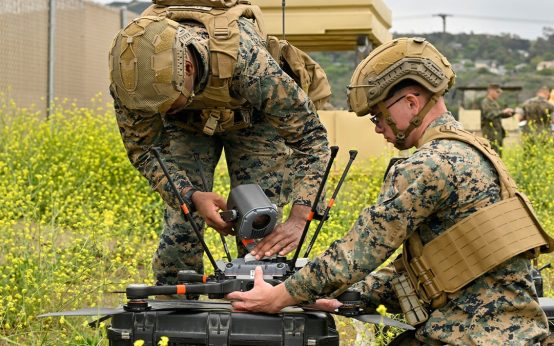 The Critical Role of Magnets in Modern Drone Warfare
  Rising Energy Demands Drive Innovative Solutions
 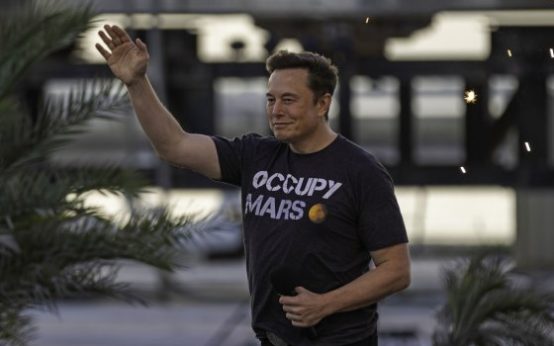 SpaceX Market Debut: Elon Musk’s Journey to Trillionaire Status
 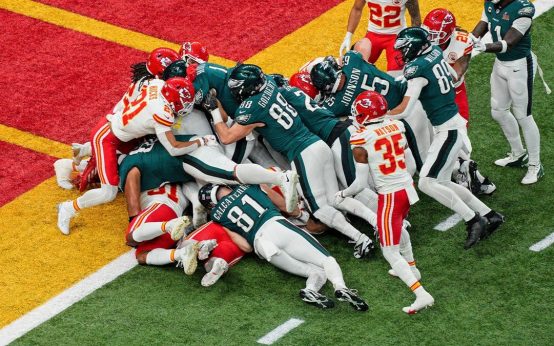 The State of Sports Video Game Releases and Player Expectations