
Allegations of Inadequate Medical Care
Detainees across at least 33 states are alleging inadequate medical care in immigration detention centers. Lawsuits cite delays and denials of crucial medications for conditions such as high blood pressure, diabetes, epilepsy, and more. Reports indicate a dire need for better medical responsiveness, with untreated infections and rising blood sugars among the issues highlighted.
Overcrowding and Increased Detentions
The U.S. immigration detention system struggles with overcrowding, exacerbated since President Trump’s return to office. Over 75,000 immigrants were detained as of mid-January. This increase, from around 40,000 previously, stresses the already challenged provision of medical care.
Neglect Documented Across Facilities
Investigations by KFF Health News and The Associated Press have revealed widespread claims of medical neglect within detention centers. Many claims are supported by court filings using habeas corpus, allowing detainees to contest illegal detainment. Detainees and their families describe a lack of timely and adequate health care, despite government assurances to the contrary.
A Lethal Environment
Research published in JAMA indicates that ICE custody has become deadlier. The Department of Homeland Security reports at least 51 deaths since Trump resumed office, with a spike in suicides. Investigations into these conditions remain ongoing, though responses from DHS remain limited.
Facilities and Responsiveness
Responses from facilities and prison companies vary, with some denying the allegations, while others adhere to ICE standards. Allegations include delayed medical assistance and negligence leading to critical health deteriorations, such as a political dissident’s experience in Nevada detention.
Mass Deportations and Their Consequences
Deportations include those without criminal records, intensifying scrutiny on detention conditions. Individuals recount experiences of medical neglect, emphasizing how quickly routine detentions turn dangerous due to inadequate care.
Legal Recourse and Challenges
Habeas corpus petitions have surged, serving as one of the few available legal routes to challenge detentions. Reports indicate, however, that the process is not adequately addressing medical neglect cases. Yet, some successful claims result in detainees’ release based on factors unrelated to medical issues.
Families Faced With Difficult Choices
Families witness their loved ones’ health decline while in detention, often feeling powerless to help. Their experiences include desperate attempts to ensure medication delivery and considering difficult decisions to protect family members, highlighting the profound personal impact of the U.S. detention system’s shortcomings.
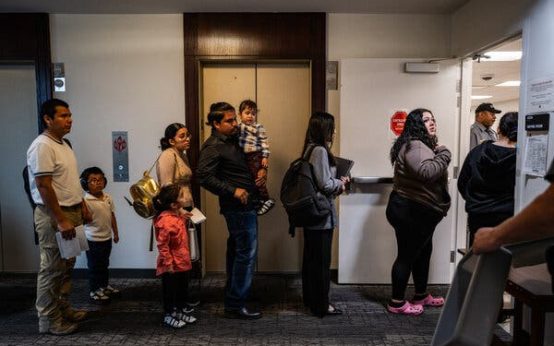 Judge Overturns Trump-Era Immigration Policies
  Lawsuits Against Federal Government Following Pennsylvania Rally Shooting
  New Jersey Struggles with Protests Near Immigration Detention Center
 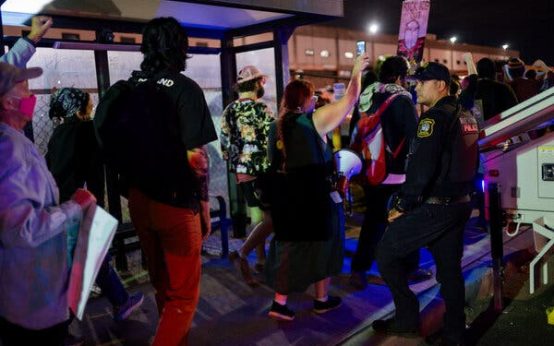 Newark Scales Back Police Presence at Detention Center Protests
  Investigation into Bus Company’s Network and Safety Violations
  Inflation’s Rise Challenges Economists’ Claims