The Dual Perspective on the Session
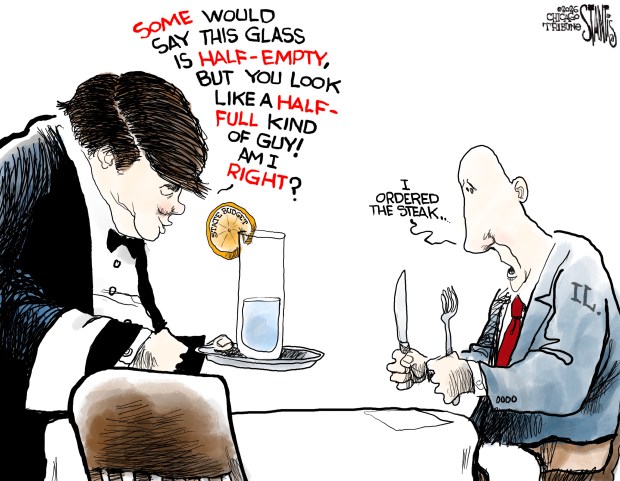
The recent spring legislative session in Springfield can be viewed in two contrasting lights. On one hand, there is disappointment over several urgent issues left unresolved, including the unmet needs of the Chicago Bears, an increasing energy supply-demand imbalance, insufficient efforts to encourage new housing development, and the challenge of making life more affordable for struggling Illinois residents. On the brighter side, the session concluded without any significant detrimental policy changes. Notably, there were no new burdensome taxes imposed on individuals or businesses.
Legislative Outcomes and Avoided Setbacks
Despite pressure from progressive lawmakers to implement a constitutional amendment taxing millionaires, which threatened to drive affluent residents to more tax-friendly regions, no such measures were passed. Gov. JB Pritzker’s ‘maintenance’ budget gained approval with enhancements from legislators. Local governments benefited from increased income tax revenues, with an additional $60 million allocated statewide, including $12 million for Chicago.
This financial decision helped ease the property tax burden limiting growth in many communities. However, the session left the impression of a state moving gently without decisive leadership. Democrats in the supermajority argued among themselves, ultimately agreeing to disagree on how to tackle critical state issues. Republicans played a minor role, though Rep. Ryan Spain praised Democrats for the transparency in budget discussions.
Pritzker’s Strategic Approach
For Gov. Pritzker, this session was underwhelming, preceding his campaign for a third term. His priorities to finalize a deal to keep the Bears in Illinois and advance a housing initiative faced obstacles. The Bears project faced opposition from Chicago representatives and Mayor Brandon Johnson. For housing, local governments resisted having their zoning authority overridden by state measures.
Pritzker’s strategy seemed limited to presenting broad goals without active involvement in their realization. The session ended without clear progress for these major initiatives.
Scott Stantis editorial cartoon for Wed, June 3, 2026, on Springfield spring session. (Scott Stantis/For the Chicago Tribune)
Unaddressed Challenges and Accomplishments
The session failed to tackle the impending electricity supply crunch, intensified by data center plans and clean-energy incentivization that removed power sources from northern Illinois. Adjustments to Pritzker’s 2021 Climate & Equitable Jobs Act were advocated but not implemented.
Nonetheless, lawmakers fully funded the state’s pension obligations and added $350 million to public schools statewide. Notable strides included banning cellphones in public-school classrooms, regulating artificial intelligence, and implementing a licensing process for hemp producers, curbing the sale of THC-infused products.
Modest Affordability Efforts and Tax Changes
Despite affordability being a stated priority for Pritzker and legislative leaders, the measures enacted were limited. An automatic gas tax increase was paused, saving drivers 1.3 cents per gallon. A one-time $400 payment was allocated to those affected by loss of SNAP benefits due to federal GOP policies, costing $70 million.
Narrow tax increments, including a digital ad levy and social media platform tax, financed the budget but remained minor by Springfield standards.
Public Perception and Session Reflection
The 2026 spring session may be remembered for what did not occur. The focus on the Bears ensured heightened public interest in state capital proceedings, providing insight into Springfield’s operations under Democratic Party control. Whether observers appreciated the session’s outcomes remains to be seen.
 U.S. Military Awaits Pentagon’s Clarification on Troop Levels in Europe
  Xavier Becerra Advances in California Governor Race
  Graham Platner’s Campaign Amid Controversy
  South Carolina GOP Primary Heats Up as Trump Endorses Evette
  Federal Judge Overturns Trump-Era Immigration Policy
  Controversies Challenge Graham Platner’s Senate Campaign in Maine