
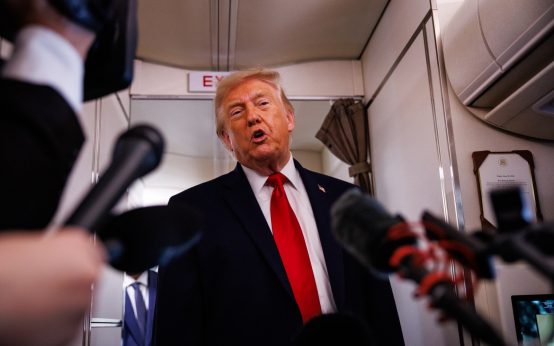
In a recent podcast interview with The New York Post’s “Pod Force One,” President Donald Trump suggested nominating Todd Blanche, the acting attorney general, for the permanent position. Trump expressed his approval of Blanche’s performance and familiarity, stating, “I think he will be, yeah. We put him as acting, and he’s done a very good job, but I’ve known him a long time.”
Regarding Ron DeSantis, the governor of Florida, Trump noted DeSantis was not being considered for the attorney general role, as DeSantis had not expressed any interest.
Meanwhile, in Philadelphia, a legal battle unfolded over changes made to a slavery memorial associated with George Washington’s historic residence. The Trump administration seeks authority to alter the memorial, arguing that the National Park Service has jurisdiction over the site due to a 2006 agreement transferring property rights from Philadelphia to the federal government.
The memorial includes inscriptions and displays honoring enslaved individuals who lived at the location during the 18th century. In January, the Trump administration ordered the removal of certain placards and video displays, citing a “distorted narrative” that promoted “national shame.”
Philadelphia opposed these changes and obtained a court order to restore the site’s original commemorative features. The Trump administration subsequently appealed the decision.
A Justice Department attorney, Gregory in den Berken, defended the administration’s authority and labeled the modifications as “curatorial.” Despite the removal of details about the enslaved people, in den Berken argued that omitting specific information does not equate to historical falsification. The administration contends it preserves core historical facts within future displays, such as acknowledging slavery’s role and referencing abolitionists and civil rights leaders.
At the appeals hearing, Judge L. Felipe Restrepo expressed skepticism over the administration’s broad claims of power, questioning its aim for “unfettered discretion” over the site. In contrast, Judge Peter J. Phipps showed sympathy toward the federal argument, suggesting the slavery narrative could continue even without the site’s full restoration.
The case provoked discussions over federal versus local rights, contractual obligations, and the symbolic significance of altering historical sites. Cara McClellan, representing Philadelphia-affiliated groups, cautioned about the precedent that willingly distorting history could set, likening it to dismantling the Lincoln Memorial.
Some placards and videos have been restored following a temporary court order preserving the memorial’s current state. The judicial panel comprises Judge Cynthia M. Rufe, Judge Thomas M. Hardiman, and Judge Peter J. Phipps, all weighing the implications surrounding historical accuracy and municipal rights.
The outcome of this legal case remains pending, and its impact on the commemoration of slavery within national parks and historical monuments is under scrutiny.
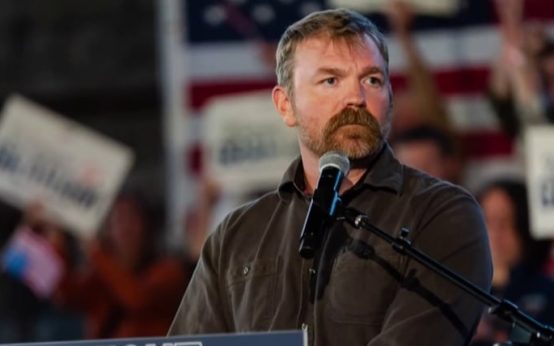 Khanna Urges Apology from Maine Senate Candidate Over Misconduct Allegations
 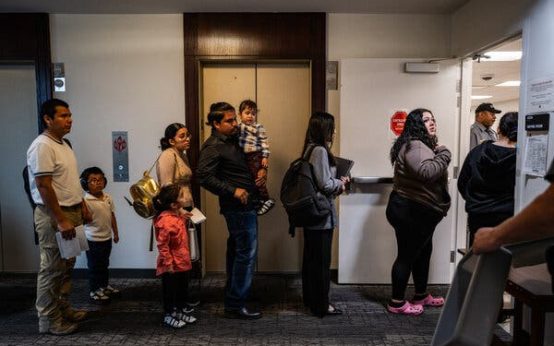 Judge Overturns Trump-Era Immigration Policies
  Trump Aims to Reduce National Intelligence Office Size
 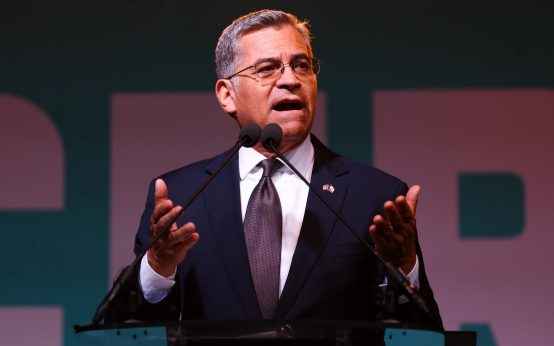 California Primary Election 2026: Key Races and Emerging Results
 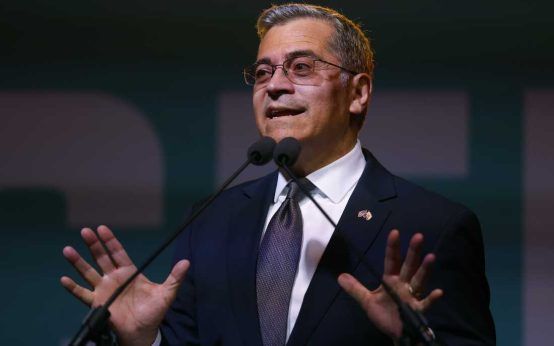 Xavier Becerra Advances in California Governor Race
  Trump Criticizes Senator Tillis Amid Nomination Discussions