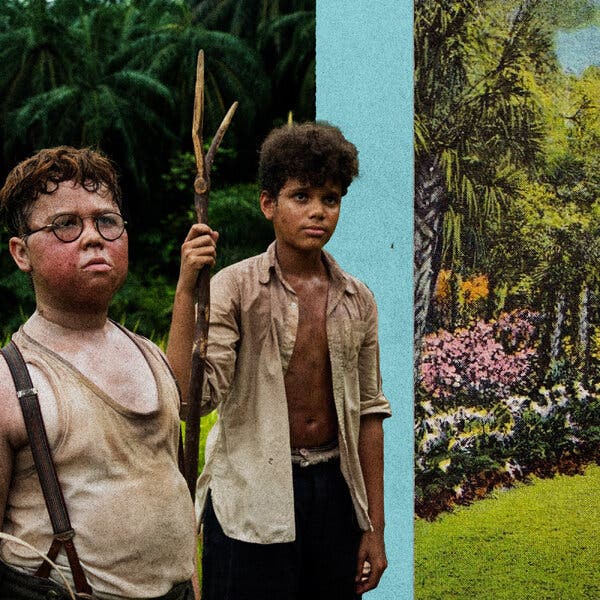
William Golding’s iconic novel, ‘Lord of the Flies,’ was once an essential part of educational curriculums, reflecting the darker aspects of human nature. Yet, its influence appears to be diminishing with modern audiences.
Published in 1954, the novel presented a dystopian view of human behavior. However, its impact feels less significant today, amid contemporary issues such as school shootings and increasing teen suicides. This sentiment is echoed in texts like ‘The Chocolate War’, ‘The Hunger Games’, and Japanese novels like ‘Battle Royale’ and ‘The Drifting Classroom’, which portray much more intense depictions of savagery.
Recently, Jack Thorne has adapted ‘Lord of the Flies’ for Netflix. This prompts the question: Does this story still resonate with current audiences? The novel’s original themes, once shocking, now seem less impactful alongside modern narratives.
‘Lord of the Flies’ has inspired countless adaptations and references over the past 70 years. Its core ideas have influenced a wide array of media, including graphic novels, video games, and more recent fiction works. For instance, Stephen King’s novels show significant traces of Golding’s influence, with stories like ‘The Long Walk’ and the town Castle Rock, echoing elements from ‘Lord of the Flies’.
Golding’s novel resonates across various cultural mediums, creating a backdrop where its themes continually appear. From books to TV shows, this repetition indicates how deep the novel’s impact runs. Despite its waning direct popularity, the novel’s legacy continues to shape cultural narratives, ensuring its ideas remain relevant, even if not overtly acknowledged.
 YouTuber Shares Difficult Decision After Trisomy 21 Diagnosis
  The Changing Dynamics of Celebrity Reputation in 2026
  Robbers Sentenced for Theft of Romanian Treasures from Dutch Museum
  YouTuber Sparks Debate Over Abortion Rights and Down Syndrome
  Celebrate America’s 250th Birthday with Commemorative Products
  Significant Events in Chicago on June 5