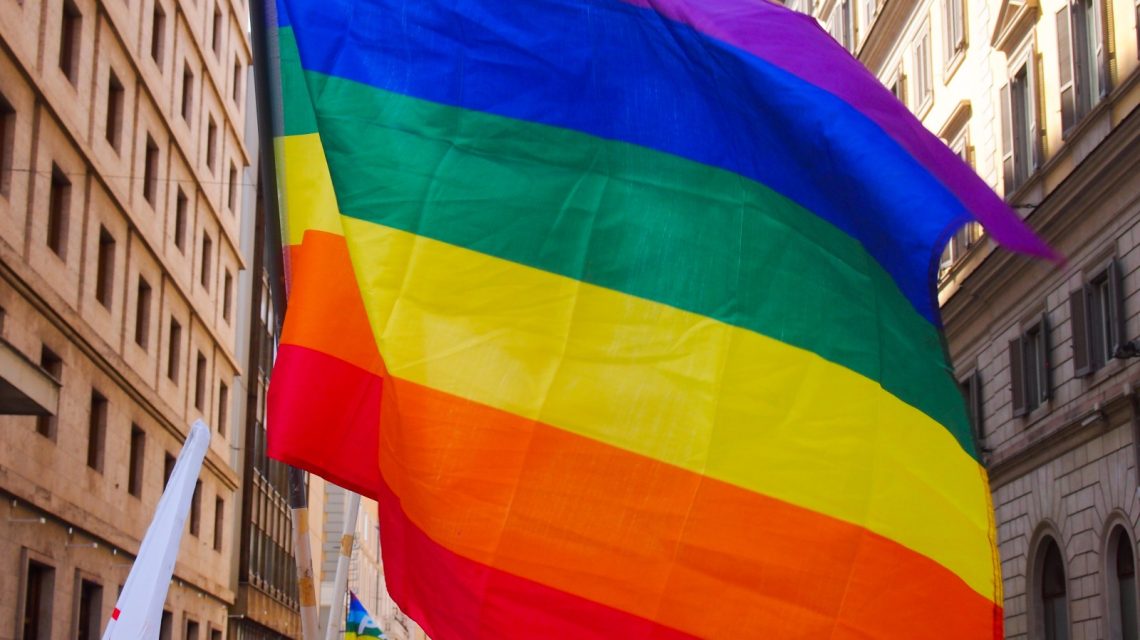
Support for Same-Sex Marriage Declines in the U.S.
Recent trends show a decrease in the approval of same-sex marriage in the United States. A new Gallup poll highlights this shift after many years of growing acceptance. The survey reveals that 65 percent of adults now support same-sex marriage, a drop from a peak of 71 percent in 2022 and 2023. This change may indicate a turning point in public opinion on one of the most significant social issues in modern U.S. history.
Public Opinion Trends
After the Supreme Court’s 2015 decision legalizing same-sex marriage nationwide, public support appeared stable or increasing. However, the recent data suggests that this trend has halted. The current public sentiment may be experiencing a period of stagnation or even a reversal.
Key Findings
- The Gallup Values and Beliefs survey, published during Pride Month, reported that support for legal same-sex marriage has dipped to 65 percent.
- Only 62 percent of Americans consider gay and lesbian relationships morally acceptable, marking the lowest level since 2016.
- This decline is evident across all political groups, though the degree varies.
“What may look like a decline in support could instead reflect a change in how people choose to express themselves publicly,” said Adam Cohen-Aslatei, CEO of Three Day Rule.
The survey conducted from May 1-17, 2026, involved 1,001 U.S. adults, with a margin of error of plus or minus 4 percentage points.
Shift in Public Support
The new findings are significant as they break a decades-long upward trend. Gallup’s historical reports showed rising support from 27 percent in 1996 to nearly 70 percent in recent years. Acceptance of the morality of same-sex relationships grew from about 40 percent in 2001 to a peak of 71 percent in 2022. However, post-2022, support has either plateaued or declined, which experts believe is not a short-term anomaly.
“Representation matters because it helps people feel seen, understood, and included,” Cohen-Aslatei noted, highlighting the importance of LGBTQ+ visibility in media.
Political Breakdown
The decline spans various political affiliations but is more pronounced among certain groups:
- Republicans: Support has dropped sharply to about 37 percent, with moral acceptance lower at 35 percent.
- Independents: Support remains relatively high at 67 percent but has seen modest decline.
- Democrats: Support remains strong at 87 percent, with minimal decline.
The overall decrease is mainly driven by Republicans, though all groups show some decline.
“I believe people’s political affiliation has led to an ‘all or nothing’ approach to various issues,” remarked Nicholas Hardy, a psychotherapist.
Recent Political Events
Shortly before the release of the poll, Republican Representative Andy Ogles faced backlash for a now-deleted social media post claiming “homosexuality has no place in America.” The post emerged during Pride Month, sparking criticism from LGBTQ+ advocates and prompting Ogles to issue an apology.
Future Implications
The long-term impact of this decline remains uncertain. Same-sex marriage continues to be federally legal. Still, if support continues to fall, questions regarding societal values in the U.S. may increase.
“This is more reflective of a polarizing political divide than changing social dynamics in the U.S.,” Hardy added.
If the trend persists amidst a shifting political landscape, potential implications include restricted rights or changes in public policies.
 Judge Overturns Trump-Era Immigration Policies
  Trump Aims to Reduce National Intelligence Office Size
  California Primary Election 2026: Key Races and Emerging Results
  Xavier Becerra Advances in California Governor Race
  Trump Criticizes Senator Tillis Amid Nomination Discussions
  Clarity Sought on U.S. Troop Levels in Europe Amid Policy Changes