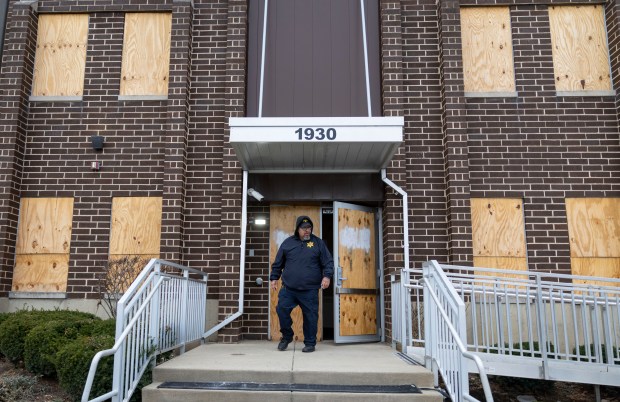
As the Illinois General Assembly concluded its spring session in the early hours of Monday morning, Democratic lawmakers forwarded several bills to Governor JB Pritzker. These measures focused on immigration enforcement, electric vehicles, and voting rights. Other proposals, such as a prescription drug affordability board and a police quota ban, did not receive final votes.
Immigration Enforcement
A major piece of legislation passed limits federal immigration detention centers from being constructed within 1,500 feet of schools, parks, homes, churches, and other community spaces. This action responds to violent clashes in Broadview last fall during a mass deportation operation. The Senate passed the bill 39-17, following the House’s earlier approval by a 72-35 vote.
Introduced by House Speaker Emanuel “Chris” Welch, the bill does not retroactively apply to existing facilities like Broadview’s ICE center. However, it aims to prevent the expansion of such facilities in Illinois. Former Homeland Security Secretary Kristi Noem had considered expanding the Broadview facilities. Mayor Katrina Thompson of Broadview supports the bill, asserting no community should endure a detention center near vital public spaces.
Legal Considerations
The bill carries potential legal challenges. The 9th U.S. Circuit Court of Appeals has ruled that states cannot block the federal government from employing private contractors for immigration detention. However, Welch downplayed these concerns, noting Illinois falls under the 7th Circuit.
Earlier, the Broadview facility was involved in significant legal and political controversies, including the ‘Broadview Six’ case dismissal and concerns about prosecutorial conduct.
Failed Legislation
Several legislative efforts did not pass. These included the proposed Prescription Drug Affordability Board intended to evaluate drug pricing, which moved through the House but stalled in the Senate. Opponents argued about additional bureaucracy, while supporters saw it as essential for regulating drug costs.
Another bill aimed at banning police quotas also failed. Although it passed in the House, it did not progress in the Senate, facing opposition from police chiefs regarding its impact on performance evaluations.
Electric Vehicle Regulation
In successful legislation, a new regulatory framework for electric bicycles, motorcycles, and scooters was approved. This aims to address public safety, requiring licenses, registration, and insurance for certain electric modes of transport exceeding 50 mph.
Secretary of State Alexi Giannoulias emphasized the need for these regulations to mitigate injuries and fatalities, ensuring safer roads and paths.
Voting Rights and AI Regulations
The ‘Jesse Jackson Sr. Young Voter Empowerment Law’ passed with support from both the House and Senate. Although schools are required to offer voter registration to students, compliance lacks strict enforcement. Senator Robert Peters emphasized the importance of providing clear opportunities to register young voters.
Additionally, the legislature passed measures regulating large AI companies and banning bots from purchasing event tickets in excess. However, other AI-related proposals, such as preventing teachers from using AI to grade, did not pass before adjournment.
 U.S. Military Awaits Pentagon’s Clarification on Troop Levels in Europe
  Xavier Becerra Advances in California Governor Race
 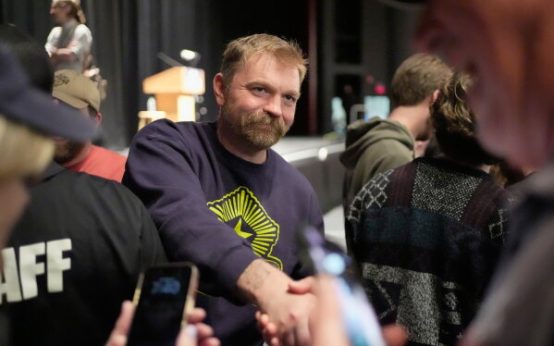 Graham Platner’s Campaign Amid Controversy
  South Carolina GOP Primary Heats Up as Trump Endorses Evette
  Federal Judge Overturns Trump-Era Immigration Policy
  Controversies Challenge Graham Platner’s Senate Campaign in Maine