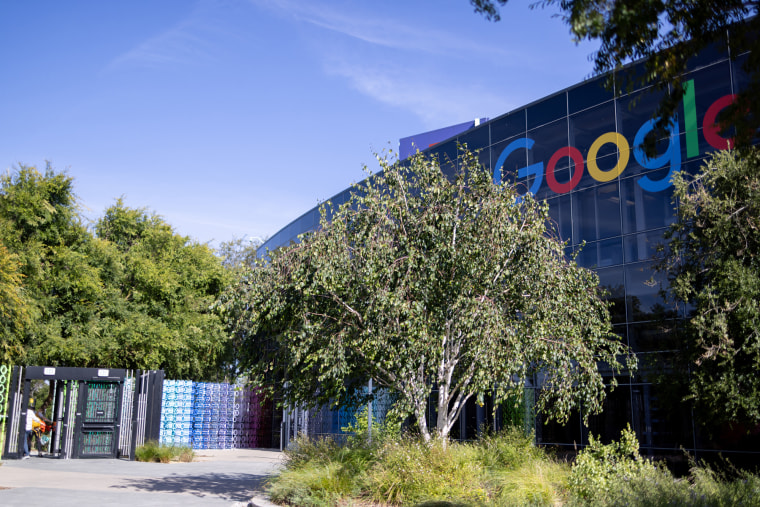
On June 9, 2026, a group of K-12 educators gathered at Google’s campus in Mountain View, California. Their goal was to learn how to introduce artificial intelligence (AI) to their colleagues. They envisioned potential resistance, such as from a veteran English teacher who might dismiss AI as another ‘shiny tech fad’. The educators devised a role-playing plan with the help of Gemini, Google’s AI assistant. They aimed to demonstrate the benefits of generative AI, like creating classroom materials for phonics lessons, saving hours of work.
Well, it’s not cursive, but it did save me an hour of typing tonight,
they imagined the English teacher eventually admitting. The training took place on June 2 and became part of the Google Educator Series, aiming to integrate AI into schools.
The attendees consisted of teachers and school technology directors selected for their interest in Google’s education technology. The program focused on using AI tools like Gemini and NotebookLM to address various challenges faced by educators.
Winston Roberts, director of an AI initiative at ISTE+ASCD, emphasized the importance of showing educators how AI tools could alleviate workloads rather than adding new tasks. He explained that understanding AI’s role in schools is critical, especially with growing public apprehension and demands for reduced screen time in education.
Teachers practiced strategies to handle resistance to AI integration, addressing concerns during training facilitated by ISTE+ASCD, a nonprofit working with Google. Despite concerns, AI’s presence in classrooms grows. Some states mandate AI instruction, and university funds focus on integrating chatbots for students, highlighting the need for AI understanding in education.
Jennie Magiera, Google’s global head of education impact, explained that Google aims to train as many teachers as possible to use AI purposefully. She noted that the evolving technology presents opportunities for teachers to enhance lesson planning and grading efficiently.
Training attendees valued this learning opportunity. Karen Compton, an English teacher from Ewa Beach, Hawaii, mentioned AI’s rapid integration into everyday vocabulary and classroom dynamics.
If a student’s running in the hallway, you don’t take away the hallway — you teach them the proper behavior for the hallway,
she said, drawing parallels to AI education.
In May, Google launched free AI training modules for educators. These modules guide creating study materials and include examples of using AI, like creating educational materials for complex topics. Google hopes to release additional training content monthly, starting in September.
Joseph South, innovation chief at ISTE+ASCD, stressed AI’s growing importance in education, saying, We can’t just ignore it, we can’t ban it, we can’t keep it out of our schools — that’s not gonna prepare us for the future.
This perspective comes amid backlash from parents and some institutions.
The training underscored that technology should support but not replace educators, pointing out practical uses of AI like creating visual aids for science lessons. Educators like Casey Cuny from Los Angeles see AI enhancing critical discussions in class.
The challenges of advocating for AI remain, as teachers returned to their districts to promote its benefits despite resistance. Mike Amante, a tech teacher in New Hartford, NY, believes training empowers them against skeptics. Despite opposition, Amante remains optimistic, stating, The naysayers are not going to stop it,
reflecting the evolving perspective towards AI’s role in education.
 Minnesota’s Ban on Crypto ATMs Targets Rising Scam Threat
  AI’s Impact on Workforce
  Pump.fun’s Marketplace and its Surreal Impact
  Divisive Architectural Icons in the United States
  Ubisoft Co-Founder Claude Guillemot Dies in Plane Crash
  Navigating the Risks of Public Wi-Fi