
As the 2026 FIFA World Cup draws soccer fans to North America, public health officials express increasing concern over potential health risks. These worries are not solely about viruses grabbing headlines, but also illnesses such as measles, dengue, and sexually transmitted infections, along with the persistent threat of COVID-19.
This international event, attracting millions from around the world, allows for more than just cultural exchange. It provides a platform for the spread of various microbes, inadvertently carried by travelers. Large gatherings like the World Cup are prime environments for such exchanges. Health authorities urge vigilance and enhanced preventive measures.
The gathering in North America increases the likelihood of disease spread. Microbes travel effortlessly with people, making it crucial for both event organizers and attendees to take precautionary steps. Vaccination, health screenings, and awareness campaigns are some suggested measures to mitigate these risks.
Hence, the emphasis is not only on enjoying the event but also on maintaining public health safety. As the world comes together to celebrate soccer, officials aim to preemptively address potential health challenges.
 The Complex Decisions Surrounding Early Retirement
 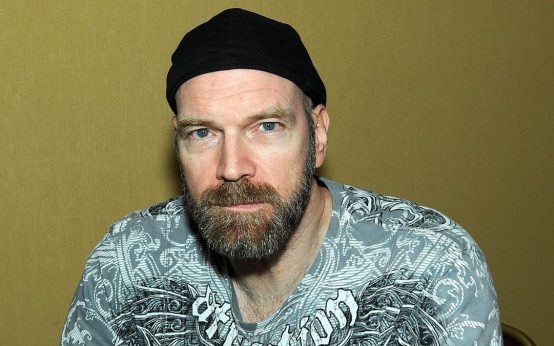 Tyler Mane Raises Awareness with Male Breast Cancer Diagnosis
  New World Screwworm Infestation in South Texas: Threats and Responses
  Elevated Mortality Risks for Divorcees and Widows
  Routine Surgery Unveils Unexpected Pregnancy for UK Woman
 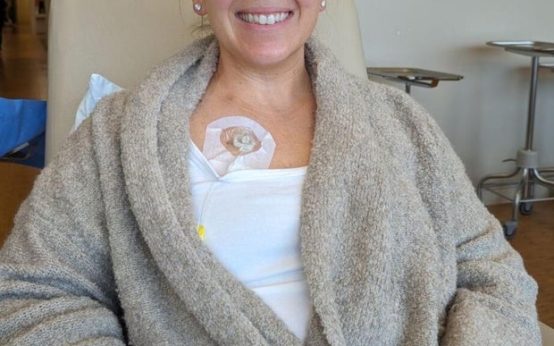 A Mother’s Journey: From Unexpected Diagnosis to Life-Saving Transplant