The Political Landscape
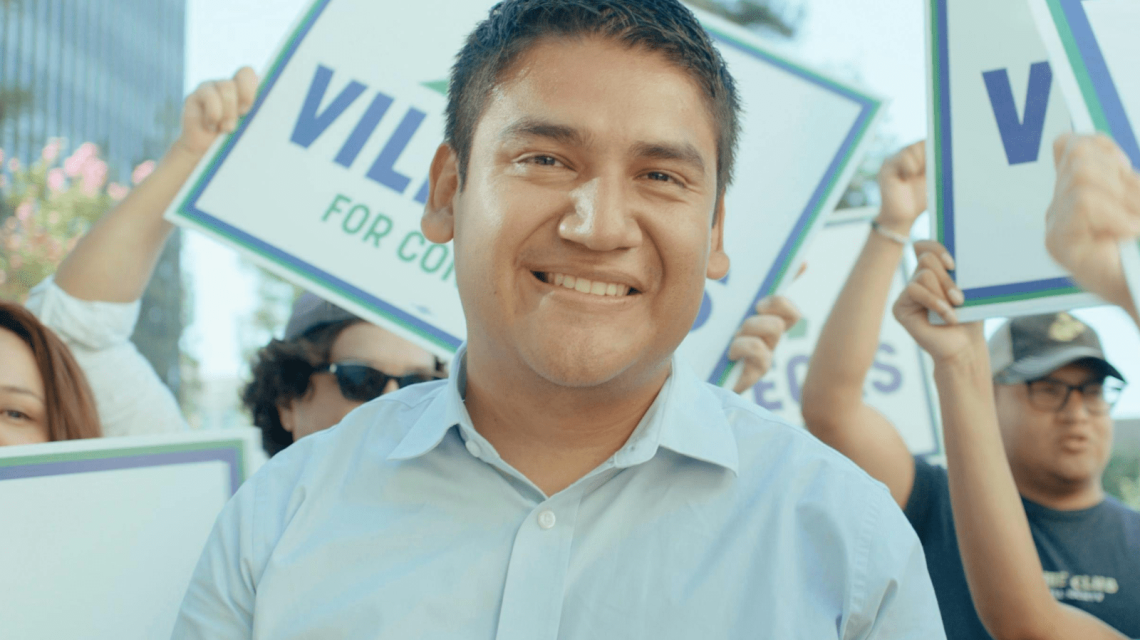
Prediction markets indicate that Democrats may have an edge in California’s 22nd Congressional District, potentially a key battleground in the House races of 2026. Despite this, the political landscape remains uncertain as elections test the strength of progressive Democrats against moderate Republican incumbents in increasingly liberal-leaning districts.
Platforms forecast a Democratic win over 60%. Polymarket assigns Democrats a 68% chance of victory against Republicans’ 21%, while Kalshi suggests a 78% chance for Democrats compared to 21% for the GOP. This suggests growing confidence in a Democratic pickup despite the district’s competitive past.
Forecasts and Uncertainties
Nonpartisan forecasters like the Cook Political Report and Sabato’s Crystal Ball still view the race as a toss-up, highlighting the fragile nature of Democrats’ perceived lead. The district’s June primary set the stage for a high-stakes election as Republican David Valadao and Democrat Randy Villegas advanced, with potential implications for Congress’s control hinging on districts like this.
Primary Election Results
With 91% of votes counted, Valadao led with 40.7%, followed by Villegas with 32.2%. Assemblymember Jasmeet Bains, a more moderate Democrat, finished third with 27.2% and did not advance. These results reveal divisions within the Democratic Party while reflecting the district’s balance.
Villegas, supported by Senator Bernie Sanders, will move to the general election, emphasizing ongoing ideological tensions in the party. Valadao’s lead underlines his enduring strength as a Republican incumbent even in a district with competitive dynamics.
The District’s Unique Makeup
California’s 22nd district has a complex political identity. The Central Valley area has a majority Latino population, is younger, and faces economic challenges with heightened poverty and lower education levels. The district demonstrated volatility, favoring Joe Biden in 2020 while supporting Donald Trump in 2024, making it a true battleground as highlighted by analysts.
Valadao’s Resilience
Valadao’s political resilience dates back to his first election in 2012. He reclaimed his seat after losing it in 2018’s Democratic wave. His political survival is attributed to his moderate stance, exemplified by his impeachment vote against Trump, deep community ties, and a record of outperforming top Republican contenders.
This crossover appeal poses significant challenges for Democratic challengers, particularly those on progressive platforms.
Villegas as a Progressive Test
Villegas’ candidacy is closely observed as progressives argue candidates who connect locally and emphasize economic issues can excel even in tight districts. Villegas promotes this message, focusing on change and critiquing corporate political influence. However, some warn his left-leaning stance may struggle with moderate voters who often sway such elections.
This race may provide insights into the Democratic Party’s ideological issues.
Prediction Markets’ Role
Marketplaces like Kalshi and Polymarket express investor sentiment, suggesting Democratic sway. These platforms aggregate data efficiently, often predicting momentum changes faster than traditional methods. Although useful, they should be seen as sentiment indicators more than definitive forecasts, particularly in less prominent races.
The Toss-Up Call from Forecasters
The Cook Political Report and Sabato’s Crystal Ball maintain CA-22’s toss-up status, reflecting no clear party advantage. Valadao benefits from incumbency and a historically swing district. Turnout fluctuations in Central Valley introduce another layer of unpredictability.
A significant aspect is the contrast between Valadao and Villegas. The matchup between a moderate Republican and a progressive Democrat creates an unpredictable electoral result.
National Importance of the Race
CA-22 is a crucial indicator in the House control fight. The chamber’s balance rests on tight districts, hunting grounds reshaped by redistricting. Outcomes here may dictate if Democrats regain House control or if Republicans widen their lead.
This electoral race holds strategic significance:
- Can Democrats secure competitive districts with progressive candidates?
- Are Latino voter trends shifting in key regions?
What Lies Ahead
Several factors will influence the November 3 general election’s outcome. Fundraising, external spending, and typical incumbent financial edges will be crucial. Turnout patterns, especially irregular in Central Valley, may also play a crucial role. Local polling might offer clarity, but the race’s dynamic nature may persist until late in the campaign.
 U.S. Military Attacks on Alleged Drug Smugglers in Eastern Pacific Amidst Criticism
  Rick Jackson Wins Georgia GOP Runoff, Faces Keisha Lance Bottoms in General Election
  Trump’s Endorsed Candidate Secures GOP Senate Nomination in Alabama Runoff
  JD Vance Addresses Challenging Topics on ‘The View’
  President Trump’s Picks Face Challenges in Georgia but Win Elsewhere
  Pence Criticizes U.S. Concessions to Iran