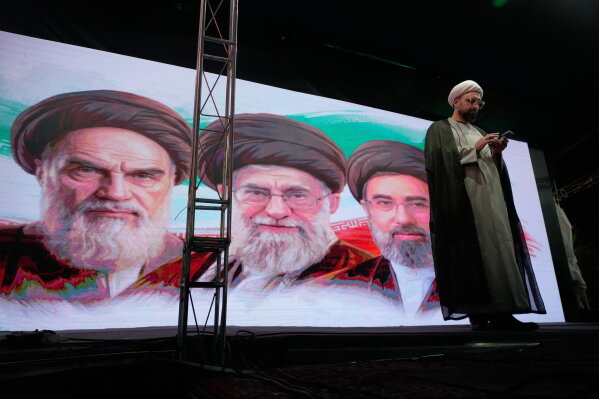
The U.N. atomic watchdog board demanded Iran’s full cooperation, urging the nation to provide comprehensive information on its near weapons-grade nuclear stockpile. Inspectors from the International Atomic Energy Agency (IAEA) must be granted access to Iranian nuclear sites to ensure there is no diversion of nuclear materials, the resolution stated.
At the IAEA headquarters in Vienna, 21 countries from the 35-member board voted for the resolution, while Russia, China, and Niger opposed it. Ten countries abstained, and one did not vote due to arrears. France, the United Kingdom, Germany, and the United States proposed the resolution. An unnamed Western diplomat mentioned that the resolution aims to apply diplomatic pressure on Iran to comply with legal safeguard obligations.
The resolution emerged amidst increased Middle East tensions. The U.S. recently launched airstrikes against Iran, and Iran responded with attacks in the region. These events risk derailing ongoing peace efforts. President Donald Trump warned Iran of consequences related to stalled peace negotiations. Since strikes on Iran’s nuclear sites occurred in June 2025, the IAEA has not been permitted access to the affected nuclear sites—a legal requirement under the Nuclear Nonproliferation Treaty.
According to IAEA data, Iran holds 440.9 kilograms (972 pounds) of uranium enriched up to 60% purity. IAEA Director-General Rafael Mariano Grossi noted this could lead to the construction of up to 10 nuclear bombs if Iran chose to weaponize its program. However, he clarified that Iran does not currently possess such weapons. Iran asserts that its nuclear ambitions remain peaceful.
Iran’s ambassador to the IAEA, Reza Najafi, criticized the resolution, arguing that Iran’s situation is presented as normal despite ongoing security threats. Najafi pointed to Iran’s allowance of IAEA access to unaffected facilities and criticized the overlook of Iran’s cooperation, even amid conflict.
The resolution expresses regret over Iran’s noncompliance with nonproliferation obligations, citing a 20-year gap since last being found officially noncompliant—the preceding instance occurred just before the recent U.S. and Israel attacks. A long-standing investigation by the U.N. watchdog into uranium traces at undeclared Iranian sites remains unresolved, as Iran has not provided credible explanations since 2019.
Western officials believe these uranium traces might indicate a covert nuclear weapons program until 2003. Despite falling short of recommending Iran to the U.N. Security Council for additional sanctions, the resolution opens the possibility for future actions, including a formal noncompliance report.
 Iranian Tankers Bypass U.S. Blockade Ahead of Peace Deal
  World Leaders Navigate Tensions and Diplomacy at G7 Summit
  World Cup Day 5: Underdogs Shine, Superstars Dazzle
 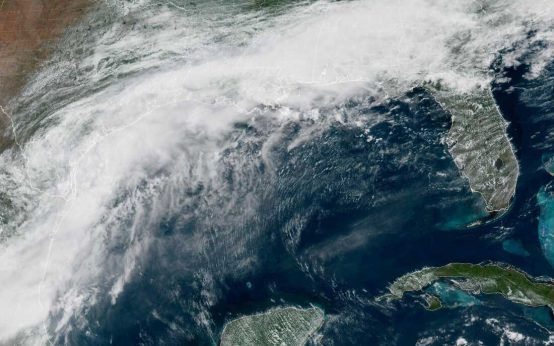 Storm System Near Gulf Coast Threatens Flooding
 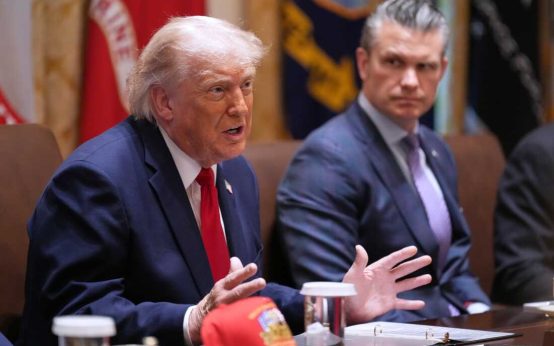 U.S. Military Attacks on Alleged Drug Smugglers in Eastern Pacific Amidst Criticism
 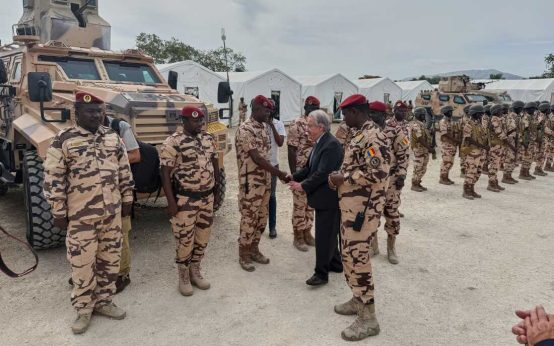 UN Secretary-General Guterres Addresses Crisis in Haiti