President Trump announced the cancellation of planned military strikes on Iran, claiming a peace agreement is imminent. This development follows a series of conflicting statements, oscillating between threats of aggression and promises of diplomacy.
Trump stated on Truth Social that discussions with Iranian leadership have reached a high level of approval, leading to the decision to cancel the strikes. He mentioned that the naval blockade would stay in effect until the deal is finalized, with details of the signing to be disclosed soon. Talking to journalists from the Oval Office, he projected that an agreement might be reached within days, possibly resulting in a signing event in Europe.
When questioned about any agreement on nuclear issues, Trump confirmed a conceptual understanding. This announcement comes amid recent intensification of his war rhetoric. Earlier on the same day, he spoke of attacking Iran strong, yet also reported ongoing negotiations to Fox News.
Trump suggested that the U.S. might seize vital Iranian oil sites, including Kharg Island, a site of strategic significance to Iran and a potential target for U.S. military action with expected high risks. He expressed a preference for taking Kharg Island but acknowledged public opposition to further military engagements.
These mixed messages reflect a challenging situation, with Trump attempting to coerce Iran into compliance as he faces challenges like rising inflation and low approval ratings.
Jennifer Stromer-Galley, a professor at Syracuse University, explained that Trump’s rhetoric often attempts to project a desired reality, though it frequently encounters real-world constraints. She noted that Trump aims to assure Americans of a successful resolution, though patience may be waning as rising gas prices and energy costs continue to impact public sentiment. Confidence in his message has diminished after months of conflict without resolution.
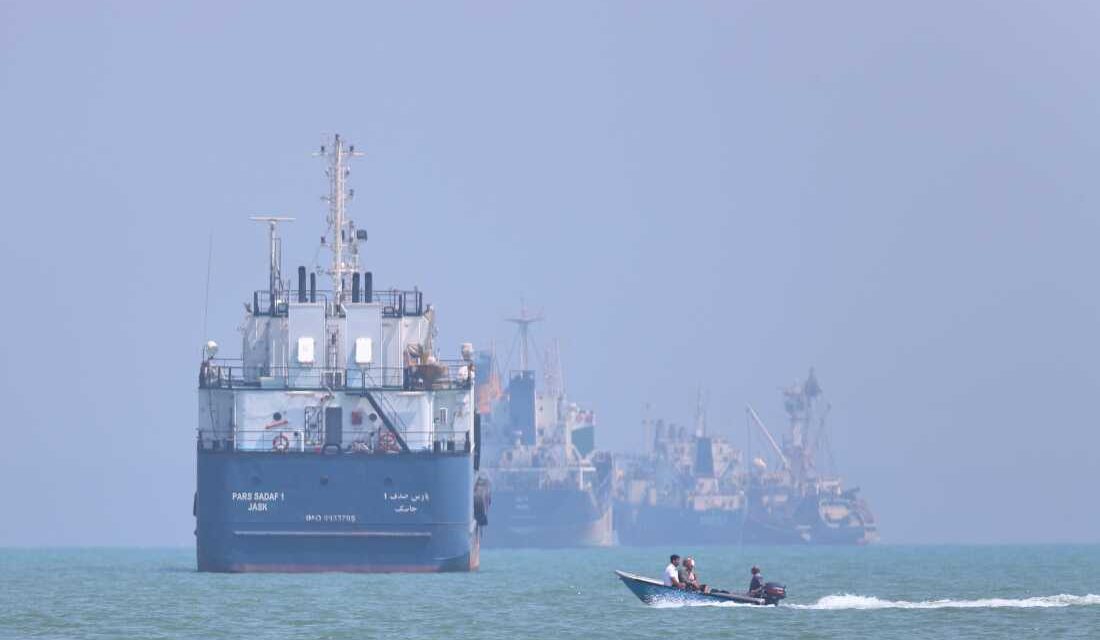
For over three months, the conflict has persisted, with Iran effectively blocking the Strait of Hormuz, through which a significant portion of global energy supplies pass. Despite a shaky ceasefire in place since April, both sides have continued to attack each other’s assets, often exacerbated by Trump’s frustration over negotiations that have yet to yield a satisfactory outcome.
 Challenges of Resuming Traffic Through the Strait of Hormuz
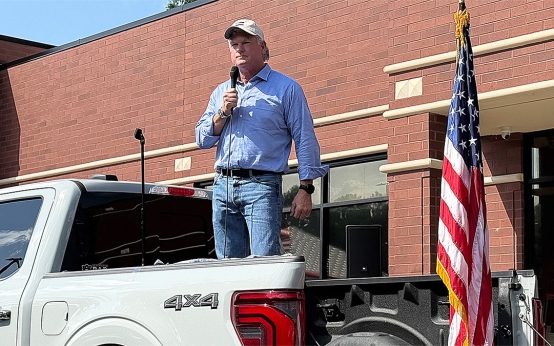
  Trump’s Endorsement Results Mixed in Georgia and Alabama Runoffs
  Confusion Grows as Canadian Authorities Revisit Citizenship Certificates
  Trump’s Influence Tested in Recent GOP Runoffs
 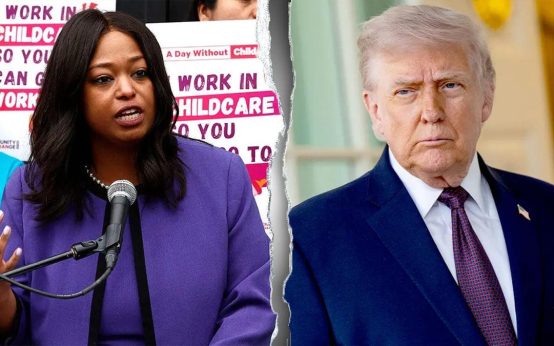 Socialist Candidate Leads in D.C. Mayoral Race
  Iranian Tankers Bypass U.S. Blockade Ahead of Peace Deal