NATO’s senior military leadership is exploring alternatives to safeguard Europe if Russia initiates an attack. This follows the U.S. decision to reduce its military commitments during a security crisis. The NATO Force Model represents the primary strategy for allocating military resources from the 32 member countries during peace, crisis, or conflict. It outlines the assets that can be deployed over the initial six months of any engagement.
Recently, the Pentagon indicated to its NATO allies the intention to diminish its focus on Europe to address threats elsewhere, especially from China in the Indo-Pacific. Key reductions in U.S. military support include fewer aircraft carrier groups, submarines, fighter jets, maritime patrol planes, air refueling capabilities, and drones. Despite these cutbacks, U.S. space capabilities for targeting will remain available.
For over a year, European nations and Canada anticipated this shift in strategy from the Trump administration; they were aware of the impending reductions but lacked details. General Alex Grynkewich, NATO’s supreme allied commander, emphasized the continued U.S. commitment to essential capabilities within the alliance. Speaking at the ILA Berlin Air Show, he highlighted the need for resources that can be rapidly acquired, deployed, and scaled, referencing technologies like long-range fires and drones.
European and Canadian allies are called upon to bridge the gaps left by the U.S. withdrawal with additional manned and unmanned aircraft, and naval support. This immediate action aims to maintain deterrence and defense capabilities. The specifics of the U.S. plan and subsequent NATO member contributions remain under discussion, as reported by Die Welt.
Europe faces challenges in sourcing the necessary military assets swiftly. Washington seeks clarity on how allies will compensate for these reductions ahead of the NATO summit in Turkey scheduled for July 7-8.
In a related move, NATO announced a drawdown in its Kosovo operations, subtracting some of its troop and equipment presence established in 1999. Although the force, known as KFOR, has seen reductions over time, recent violence prompted the deployment of 1,000 additional troops in 2023. The potential further optimization of KFOR, as described by Grynkewich, is about enhancing safety and security, not merely reducing numbers.
Currently, the U.S. contribution to KFOR includes 590 troops, second in size only to Italy’s 907 personnel, with Black Hawk helicopters stationed at Camp Bondsteel.
Despite these strategic adjustments, Grynkewich noted in Berlin that intelligence assessments and Russian military movements indicate that Russia does not presently seek a confrontation with NATO. The ongoing conflict in Ukraine has further strained Russian resources, impacting recruitment efforts. However, European governments and intelligence agencies caution that within three to five years, Russian President Vladimir Putin might attempt engagements elsewhere, particularly if circumstances in Ukraine favor Russia.
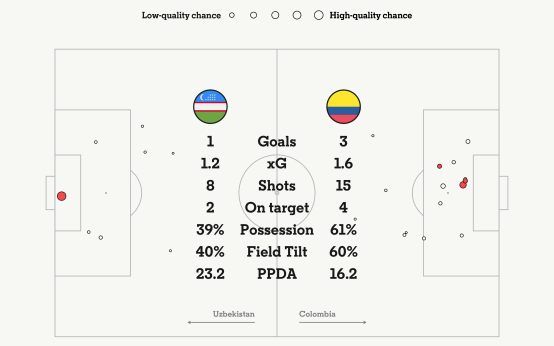 Colombia’s Tactical Play Secures Victory Over Uzbekistan
  Potential Impact of Makerfield By-Election on UK Politics
  Southeast Asia Turns to Solar Energy Amid Energy Crisis
 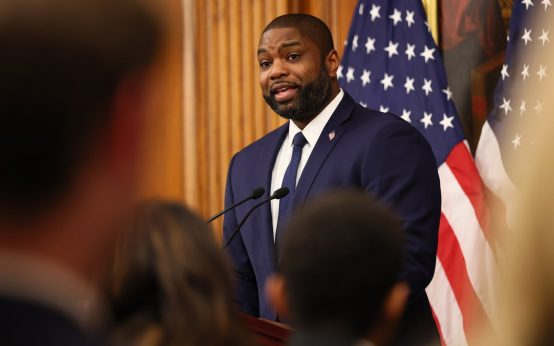 Poll Analysis: Byron Donalds vs. David Jolly in Florida Gubernatorial Race
  Airbnb Offers Free FIFA World Cup Tickets with Select Rentals
 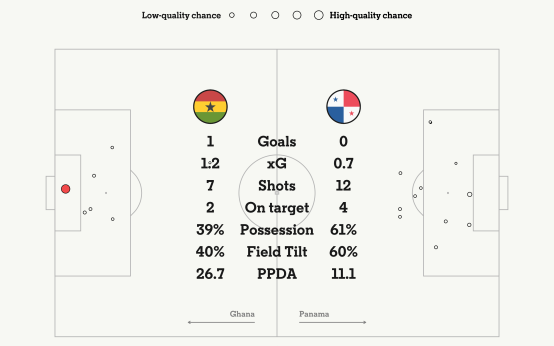 Ghana Secures Late Win Against Panama Amid Rainy Conditions