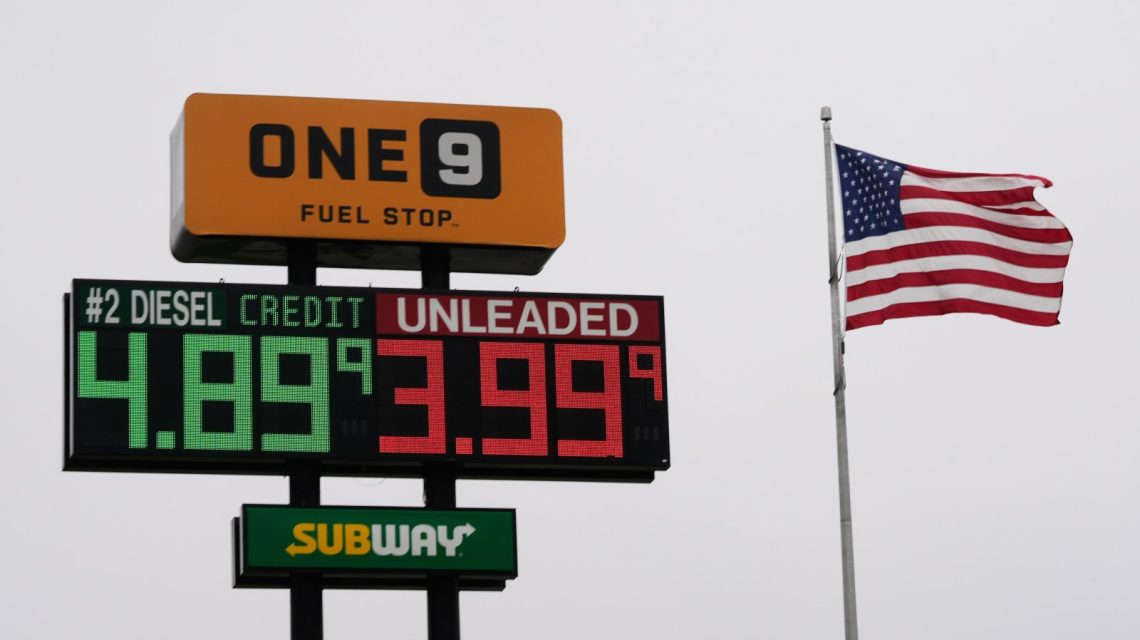
The announcement of a truce in the Iran war has been met positively by global energy markets and world leaders. However, analysts caution that it may take months for oil flows to normalize and for gas prices to return to pre-conflict levels.
The Truce Announcement
Washington and Tehran declared the truce after more than three months of conflict. This period had severely affected Iranian infrastructure, regional energy facilities, and resulted in a blockade of the Strait of Hormuz. The International Energy Agency labeled it as the worst energy crisis in history. Both countries viewed the agreement as a victory, with Pakistan playing a mediator role. A signing ceremony is scheduled for June 19 in Switzerland.
Impact on the Strait of Hormuz
President Donald Trump confirmed that the deal would reopen the Strait of Hormuz and allow normal energy flows. Although vessels are not yet passing freely, it is expected to open without tolls following the agreement signing for mine removal purposes.
Challenges to the Agreement’s Durability
Despite the truce, concerns remain regarding unresolved issues like the release of frozen Iranian assets and Israel’s actions in Lebanon. Political analyst Robert Pape labeled the agreement a ‘Memorandum of Disagreement,’ highlighting Iran’s potential leverage over the Strait, which could result in repeated disruptions.
Energy economist Jorge León emphasized the need to observe if the truce holds and its implications on regional energy flows.
Oil Markets Response
Following the truce announcement, West Texas Intermediate crude dropped below $80 per barrel. Analysts noted the immediate impact on oil prices due to reduced risk of prolonged supply disruption.
While President Trump predicted quick drops in prices, analysts anticipate a gradual relief due to geopolitical uncertainties and infrastructure recovery efforts.
Long-Term Outlook
Industry experts suggested that the normalization of oil flows depends on how quickly traders reassess the risk environment. Damage to regional infrastructure, such as Qatar’s LNG facilities, may take years to repair, influencing the timeline for recovery.
The EIA projected a gradual decline in fuel costs post-peace deal, forecasting it might take several months for traffic to stabilize and longer for oil production. Gas prices might remain elevated beyond 2027.
Jorge León noted delays in energy cost reductions due to mine removal, confidence rebuilding, and logistical backlogs. He anticipates oil flows may stabilize by the year’s end, assuming the ceasefire continues.
While U.S. gasoline prices should decrease as crude prices drop and flows normalize, their return to pre-war levels is expected to be gradual, with security risk premiums fading slowly.
 A Call for Maritime Norms: Reaffirming U.S. Commitment
  French Justice System Faces Public Outcry After Death of 11-Year-Old Girl
  Royal Controversies in Europe: A Closer Look at Recent Scandals
  Massive Drone and Missile Assault on Ukraine’s Major Cities
  Shipping Firms Cautious of U.S.-Iran Deal
  Controversy Surrounds MOU to End Iran Conflict