
World leaders cautiously welcomed a new cease-fire deal and diplomatic framework designed to end the prolonged U.S. conflict with Iran. As oil prices dropped, fighting in Lebanon appeared to ease, and Iranians expressed relief that a war claiming thousands of lives across the Middle East might conclude.
The Agreement Framework
The agreement, announced by President Trump and Iranian officials on Sunday, includes a 60-day cease-fire paving the way for negotiations toward a final peace deal. The forthcoming agreement would reopen the Strait of Hormuz, a vital waterway for global energy supplies. This would potentially lower U.S. gas prices, alleviating political pressure on President Trump, while benefiting Iran’s economy.
Iranian officials have yet to comment on the specifics of the agreement. Key points in the negotiations include Iran’s demand for easing of American sanctions and U.S. requirements for restrictions on Tehran’s nuclear program. Both sides have shown limited willingness to compromise on these issues.
Vice President JD Vance described the agreement as a significant step toward peace while acknowledging that many crucial details still need resolution, such as handling Iran’s enriched uranium stockpile.
Hezbollah congratulated Iran for achieving a comprehensive cease-fire on all fronts, including Lebanon, although Israel showed opposition to withdrawing troops.
Implications and Reactions
The cease-fire announcement resulted in reduced hostilities in southern Lebanon, and the framework is set to be signed on Friday in Geneva. President Trump’s actions, including the naval blockade removal, have influenced global economies, notably impacting oil prices, which saw considerable fluctuation.
In a conversation with The New York Times, President Trump asserted that his decision to attack Iran and consequently block its ports had reshaped the Middle East in America’s favor and safeguarded Israel from nuclear threats.
Despite the optimism surrounding the cease-fire, unresolved issues, like Iran’s nuclear program, pose significant challenges moving forward. Negotiations in the next 60 days are crucial, with Iran demanding relief from sanctions while continuing its nuclear pursuits.
As leaders across the globe express relief, cautionary optimism surrounds the situation. Uncertainties remain regarding Lebanon, where hostilities have subsided but not entirely ended.
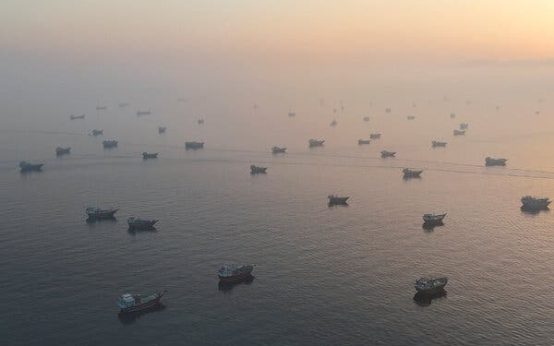
International organizations, including the International Maritime Organization, emphasize that reopening the Strait of Hormuz will require strategic planning to ensure safe passage and restoration of normal operations.
Global Economic Impact
President Trump’s announcement drastically impacted oil markets, leading to a sharp drop in prices and an upturn in stock markets globally. Analysts stress that sustained energy flow restoration is critical, as lingering disruptions continue to influence global inflation rates.
In summary, while the preliminary agreement signals progress, the outcomes of ongoing negotiations and the successful reopening of vital shipping channels will be central to achieving lasting peace.
 A Call for Maritime Norms: Reaffirming U.S. Commitment
  French Justice System Faces Public Outcry After Death of 11-Year-Old Girl
  Royal Controversies in Europe: A Closer Look at Recent Scandals
  Massive Drone and Missile Assault on Ukraine’s Major Cities
  Shipping Firms Cautious of U.S.-Iran Deal
  Controversy Surrounds MOU to End Iran Conflict