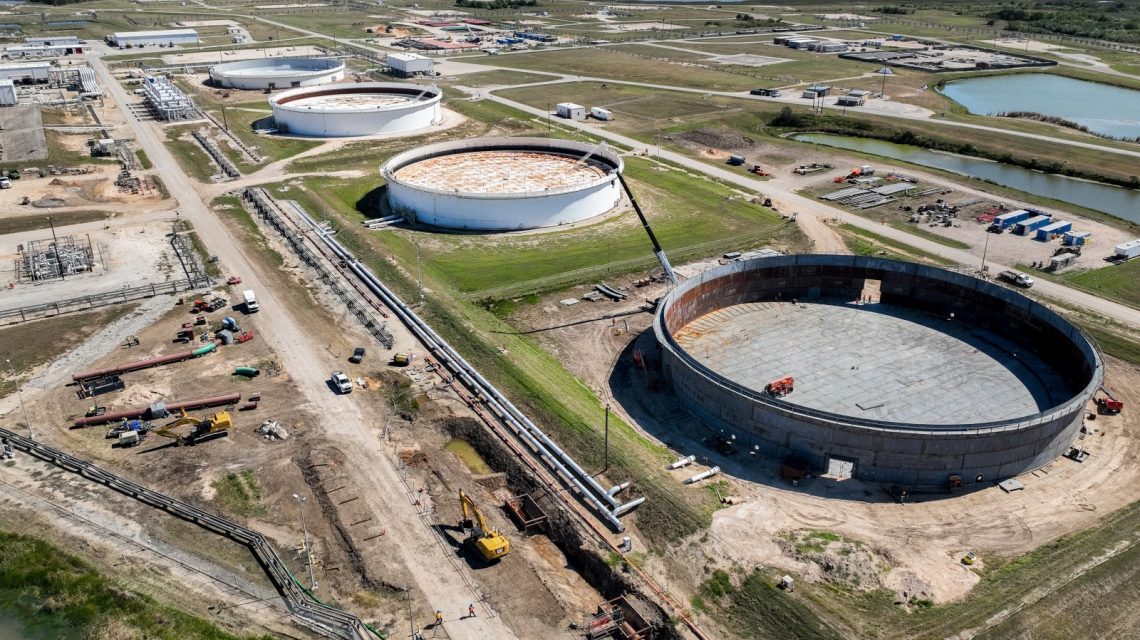
Decline in U.S. Strategic Petroleum Reserve
The Strategic Petroleum Reserve (SPR) in the United States has seen a substantial decrease in crude oil stocks. Currently, levels have dropped to 340.3 million barrels. This marks the lowest quantity since 1983. The Department of Energy released these figures on Monday, highlighting the strain in supply despite the ongoing negotiations between the U.S. and Iran. The SPR’s inventory fell by 8.9 million barrels over the past week. This represents one of the most significant reductions recorded as part of a broader strategy to release 172 million barrels aimed at stabilizing fuel prices.
As crude inventories decline, robust refining demand and increased exports have attempted to counteract disruptions caused by the conflict involving Iran. Notably, storage facilities at key locations like Cushing, Oklahoma, are nearing their operational limits. This situation raises concerns about potential supply shortages. The U.S. government is signaling that companies borrowing oil from the SPR will have to repay the amounts with an added premium. Officials believe this approach can stabilize the market without imposing long-term financial burdens on taxpayers.
Gas Prices Trends
Fuel prices are beginning to show signs of relief following the positive developments in U.S.-Iran relations. News of potential oil shipments through the Strait of Hormuz contributed to a dip in crude prices. The national average for regular gasoline settled at approximately $4.06 per gallon, indicating a decline from the high rates of over $4.50 per gallon recorded in May. Experts suggest that any further drop in fuel prices will hinge on how quickly global oil supplies recover. The reopening of the Strait could contribute to reduced costs, although returning to pre-war pricing levels will take time.
U.S.-Iran Deal Outlook
Preliminary agreements between the United States and Iran aim to resolve their prolonged dispute. While both parties anticipate a formal signing event in Switzerland on Friday, technical adjustments remain under discussion. Although this memorandum signifies a path toward stability, crucial topics such as enforcement procedures, sanctions, and nuclear discussions are yet to be finalized.
Strait of Hormuz Dynamics
The Strait of Hormuz remains only partially functional despite ongoing efforts to reopen it. Global oil transit depends heavily on this passage. Leaders assert that operations will resume fully once the agreement is officially ratified. Nevertheless, restoring orders, addressing maritime challenges, and rebuilding confidence among insurers and tanker operators might cause delays in achieving normal traffic conditions.
Understanding the Strategic Petroleum Reserve
Founded in 1975 under President Gerald Ford, the Strategic Petroleum Reserve was an initiative responding to the energy crisis sparked by the 1973 Oil Crisis. The series of underground facilities along the Gulf Coast of Texas and Louisiana serve as an emergency resource. The Department of Energy utilizes these reserves to augment crude availability on the market, thereby reducing prices during significant disruptions. Past releases occurred during major events such as Operation Desert Storm, Hurricane Katrina, the Libyan civil conflict, and the energy hardships initiated by Russia’s incursion into Ukraine. Notably, the Biden administration oversaw the largest drawdown, totaling around 180 million barrels, which drew criticism from Republican circles.
Challenges in Maintaining the Emergency Stockpile
The current military situation with Iran influenced recent actions to tap into the SPR again, aligning with broader efforts to temper energy price escalation. The Trump administration authorized the release of approximately 172 million barrels over 120 days to lower costs, joining other International Energy Agency members in a global strategy. As emergency reserves deplete, longstanding neglect of the SPR exacerbates the challenge of replenishment.
Bob McNally, president of Rapidan Energy Group and former White House energy adviser, pointed out that refilling the SPR will likely span years, requiring congressional approval. This systematic release entails a requirement to return more than the originally drawn volume, imposing price pressures. Advancing this process gradually might help alleviate the economic impact. Despite criticisms, oil analyst Thomas Kloza acknowledged that these drawdowns suppressed rising crude costs. The coordinated release of reserves forestalled fears of crude prices surpassing $150 per barrel. However, Andy Lipow cautioned about approaching critical levels, which could compromise oil integrity and present additional challenges.
 Judge Overturns Trump Guidance Limiting Green Energy Credits
  Iran’s Attacks on Qatar Create Global L.N.G. Supply Shock