Election Security and Allegations
Former CIA operative Gary Berntsen has persisted in claims of the 2020 U.S. election being compromised by Venezuela, despite these claims being consistently debunked. The issue gained further attention when Fox News settled with Dominion Voting Systems in 2023 for $787 million over related misinformation. Nonetheless, Berntsen continues to push these theories, though he reports experiencing significant resistance from both the FBI and media outlets.
Political Repercussions
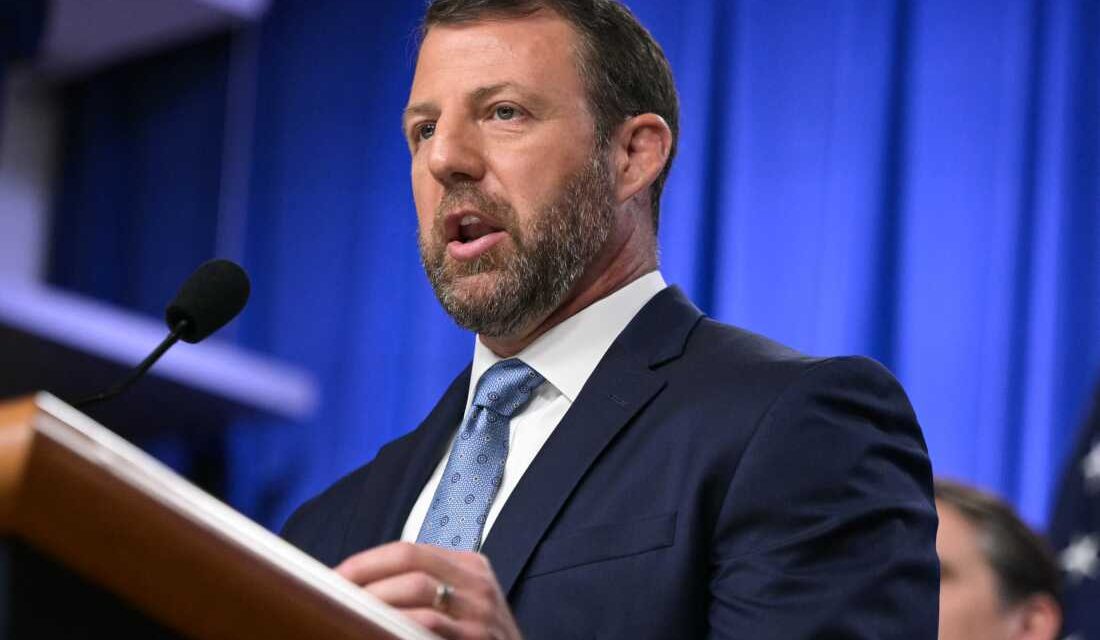
Despite the numerous rejections, Berntsen has found support from one prominent figure: Markwayne Mullin, a former U.S. senator who now leads the Department of Homeland Security (DHS). Mullin has reportedly facilitated meetings to discuss election conspiracy theories with former President Trump’s team. Mullin’s actions have drawn attention to concerns surrounding election certification.
Distrust Among Local Officials
Mullin’s stance has raised alarms among local election officials who now perceive DHS as a potential threat rather than a partner in ensuring election integrity. This sentiment is echoed by Matt Crane, a former Republican county clerk from Colorado, who expresses distrust regarding the confidentiality and use of voter data shared with federal agencies.
Federal and Local Tensions
Under the backdrop of the upcoming midterms, the dynamics between federal and local election bodies have shifted. The Trump administration’s actions, aimed at scrutinizing local election procedures, have contributed to a fractured relationship. There have been efforts to obtain private voter registration data and access voting systems, further complicating trust between authorities.
Despite reassurances, challenges persist. Tom Homan, a White House border czar, has hinted at potential DHS presence at polling stations, raising legal concerns. Mullin affirmed that DHS agents would only be deployed in response to specific threats.
The Role of CISA and EI-ISAC
The Cybersecurity and Infrastructure Security Agency (CISA), lacking a Senate-confirmed leader in Trump’s second term, faces challenges in maintaining election security discourse. The Elections Infrastructure Information Sharing and Analysis Center (EI-ISAC), vital in providing cybersecurity services, experienced a funding cut, prompting difficulties in maintaining comprehensive membership.
The fragmented landscape has led to efforts to rebuild these crucial networks, with new membership models emerging to compensate for lost federal support. However, there are doubts about reestablishing previous levels of collaboration.
Future Prospects
The EI-ISAC plans to maintain essential services such as a virtual situation room for election day threat monitoring. Nevertheless, without federal presence, cooperation between local and federal bodies remains tenuous. Some officials, like Paul Lux from Florida, express readiness to cautiously reestablish ties, but acknowledge the broken trust requires time and commitment to mend.
 Senator Lindsey Graham and UFC CEO Dana White Criticize Fighter Josh Hokit for Comments on Michelle Obama
 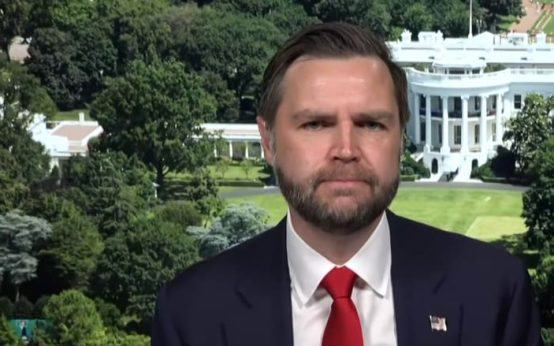 G7 Summit Focuses on Russia-Ukraine Conflict as Trump and Zelenskyy Set to Meet
 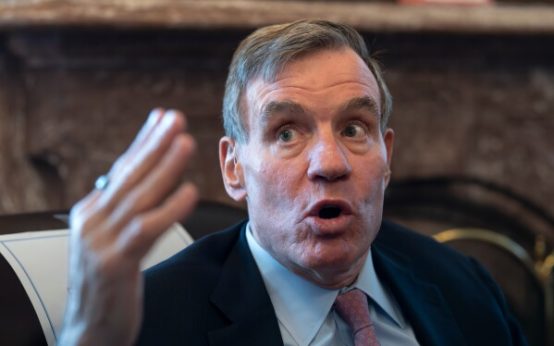 Senators Seek Clarity on US-Iran Agreement
  Iran’s Struggle for Independence and Global Realignment
 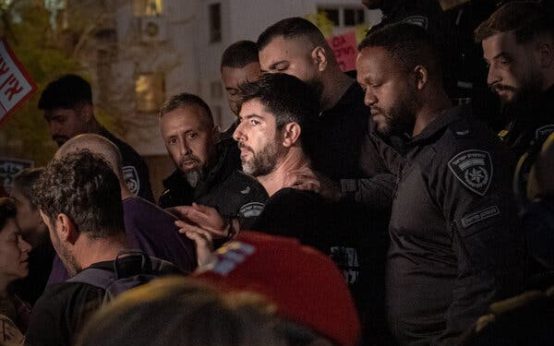 Emerging Political Movement Strives for Unity in Israel
  Joe Biden and the Inaccurate Amtrak Anecdote