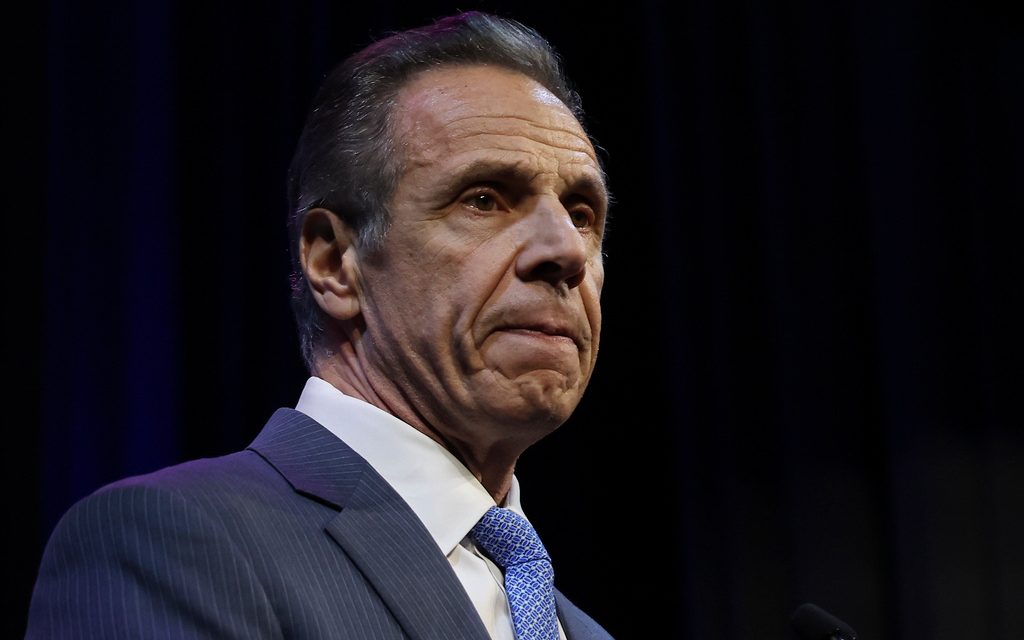
Andrew Cuomo conceded the race to Zohran Mamdani on Tuesday, Nov. 4, 2025, in New York. Powerful individuals sometimes calculate that elderly victims of their decisions will be forgotten. Families grieve, but news cycles move on. Yet, the families of over 15,000 New Yorkers who died in nursing homes prove otherwise.
This month, Rep. Claudia Tenney (R-N.Y.) wrote to Acting Attorney General Todd Blanche seeking information on the status of the criminal referral against former Gov. Andrew Cuomo. The necessity of such a letter highlights a significant concern. Every resident in a nursing home is part of a family, not an abstract number. These residents are cherished individuals with histories and loved ones, relying on systems that should operate with integrity.
Cuomo once stated, “My mother is not expendable… And our brothers and sisters are not expendable.” Nonetheless, on March 25, 2020, his administration directed nursing homes to accept COVID-positive patients without testing. This decision resulted in thousands of deaths.
Inquiries into the true death toll revealed that initial figures were falsified. A congressional referral documented that the actual number was undercounted by roughly 50%. Cuomo denied involvement in the report’s creation during his June 2024 testimony to Congress. However, evidence including emails and drafts, with his handwritten notes, suggested otherwise. In October 2024, he was referred to the Department of Justice for making false statements, but no action followed.
James Comer, Chairman of the House Oversight and Government Reform Committee, resubmitted the referral in April 2025. An investigation was reported, then silence ensued. Pam Bondi, removed from her attorney general role in April, left a void as her successor has not addressed the referral publicly.
Despite running for mayor of New York City twice and losing both times, Cuomo’s team argued that the prosecution would interfere with elections. With elections over, the core issue remains whether laws apply equally to everyone, regardless of power. This remains unresolved.
Voices for Seniors, formed by those who refuse to let this matter fade, has engaged Congress and approached two attorneys general. They’ve published op-eds, given interviews, campaigned tirelessly in Washington. They persist because they know what others hope for—that their efforts will cease.
Had children been the victims, legislative and legal actions might have ensued quickly. A commission, prosecutions, and public scrutiny would likely have followed. But with elderly victims, there was a calculated expectation of fading public interest. Tenney’s letter, though not legally binding, signifies that New York’s families are still remembered by their elected officials. Silence from the powerful fails when it meets watchful eyes.
This persistent scrutiny questions whether a single standard of accountability exists, or two separate ones. The families of the deceased have experienced six years under the latter assumption. Their ongoing dedication refutes any erroneous calculations about their resilience. Grief persists, having a lengthy remembrance. Both they and the Department of Justice should not forget.
Vivian Zayas, co-founder of Voices for Seniors, represents families of nursing home victims. She testified before the Select Subcommittee on the Coronavirus Pandemic in May 2023.
© 2026 Nexstar Media Inc. All rights reserved. This material cannot be published, broadcast, rewritten, or redistributed.
 Potential Impact of Makerfield By-Election on UK Politics
  Navigating Complex Relationships with Therapeutic Insights
  Supporting a Loved One Through Cancer: What You Can Do
  Poll Analysis: Byron Donalds vs. David Jolly in Florida Gubernatorial Race
  Impact of Declining SNAP Benefits on Children in the U.S.
  Trump’s Approach to Iran: Expectations Versus Reality