
China has rejected claims from the European Union’s top diplomat that the Chinese military trained Russian personnel involved in the conflict in Ukraine. On Tuesday, China emphasized its position of neutrality in the ongoing war between Russia and Ukraine. Nonetheless, China has been under scrutiny for its diplomatic and economic relations with Moscow, especially as a primary purchaser of Russian oil and gas, ignoring U.S.-led sanctions.
The United States, the European Union (EU), and other Kyiv allies have accused Beijing of aiding Russia’s war efforts through trade and the export of dual-use goods. Kaja Kallas, the EU’s representative for foreign affairs and security policy, issued strong remarks about China’s role in the conflict.
“We have also now verified reports that the Chinese military has been training Russian military personnel to fight in Ukraine,” Kallas stated following a meeting of the bloc’s 27 foreign ministers in Luxembourg. “We are carefully assessing the implications.”
Kallas did not elaborate on the training allegations but referred to Beijing as a “decisive enabler” of Russia’s actions, a label commonly used by Western officials regarding China’s support for Moscow. China’s Foreign Ministry responded by denying these claims.
“The remarks have no factual basis and are purely slander and smears,” responded ministry spokesperson Lin Jian during a press briefing in Beijing.
Newsweek has reached out to the Russian Foreign Ministry and the European External Action Service for further comments.
New Sanctions Announced
The European Council on Monday announced sanctions on 21 entities and seven individuals, accusing them of supporting Russia’s military efforts. Among those targeted were Chinese companies such as Shenzhen Minghuaxin, which the EU claimed provided drone technology to Russia, and Xinxiang Richful Lubricant Additive Company, known for producing additives important for industrial machinery and military vehicles.
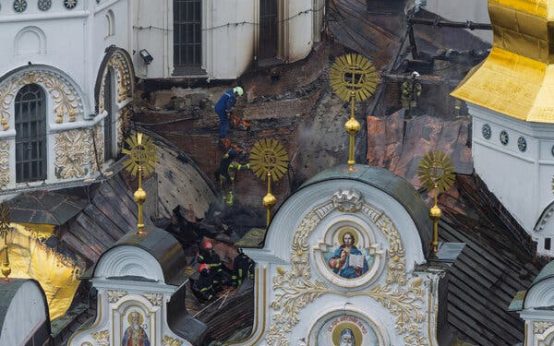
The announcement coincided with new Russian attacks on Ukraine, with Ukrainian authorities reporting a massive overnight assault involving 70 missiles and 611 drones. The strikes led to at least 11 deaths and damaged landmarks, including a notable cathedral, resulting in global criticism.
In retaliation, Ukraine launched a drone attack on the Moscow Oil Refinery, which is said to supply about 40 percent of Moscow’s oil needs, marking a significant escalation in the conflict.
 Tragic Rope Jump Incident in Brazil Highlights Safety Failures
  US Sanctions Lead to Shutdown of Key Cuban Remittance Platforms
  Challenges and Opportunities in Iran’s Uranium Deal
  Trump Shifts Focus to Ending Russia-Ukraine Conflict After Iran Deal
  Ukraine Drone Strike Targets Moscow Oil Refinery Amid Ongoing Conflict
 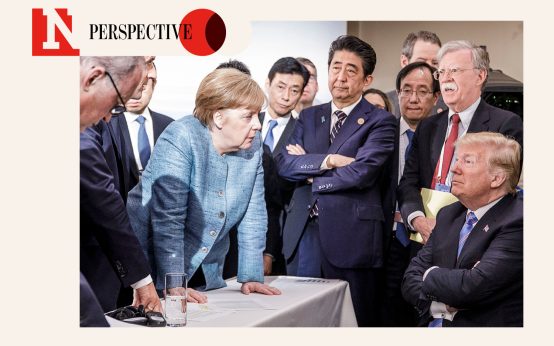 The Changing Dynamics at the G7: A Shift Towards Inclusivity