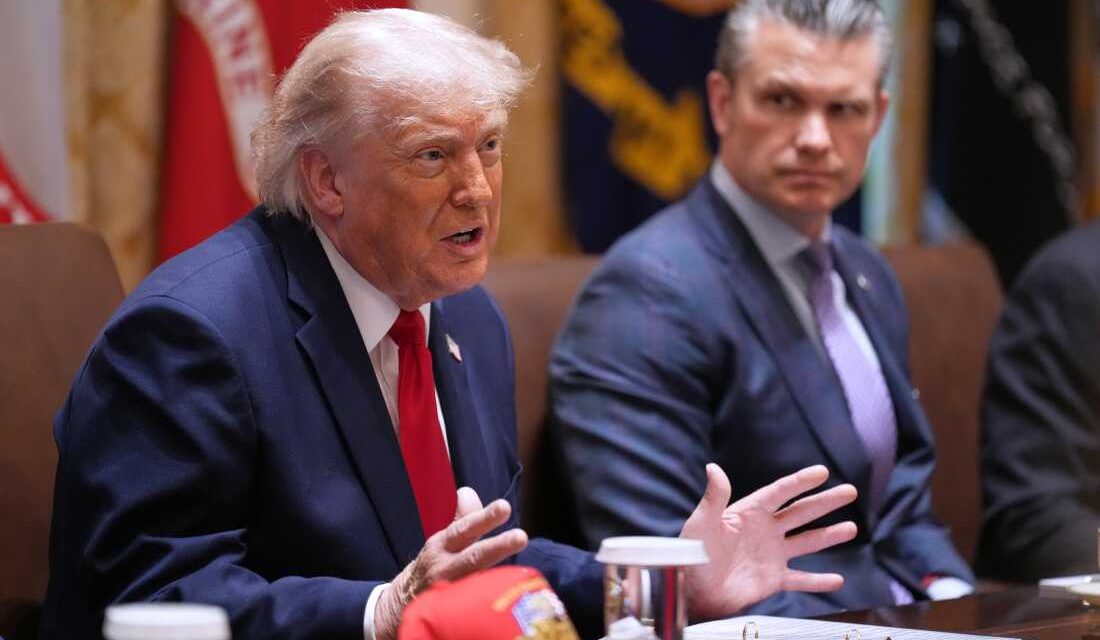
President Donald Trump spoke during a Cabinet meeting at the White House on Wednesday, May 27, 2026, as Secretary of Defense Pete Hegseth observed. Recently, the U.S. military attacked a boat accused of smuggling drugs in the eastern Pacific Ocean, resulting in one fatality and two survivors. This operation is part of the Trump administration’s ongoing campaign against alleged drug traffickers in Latin America.
Since the initiation of this campaign in early September, at least 208 individuals have lost their lives in similar strikes by the U.S. military. These attacks focus mainly on recognized smuggling routes in the eastern Pacific Ocean and the Caribbean Sea, according to the U.S. Southern Command. However, the military has not disclosed evidence that the targeted vessel was carrying drugs. A video posted on the platform X depicted a boat navigating the waters before being struck and engulfed in flames. Southern Command communicated that it “immediately notified the U.S. Coast Guard to activate the Search and Rescue system for the survivors.”
President Trump asserts that the U.S. engages in “armed conflict” with cartels in Latin America. He argues that these strikes are a necessary measure to curb drug flow into the U.S. and to prevent deadly overdoses among Americans. Despite these assertions, the administration has provided minimal evidence supporting their claims of targeting “narcoterrorists.”
Critics question the legality and effectiveness of these strikes. They argue that the fentanyl associated with most lethal overdoses is often trafficked overland from Mexico, not by sea. This fentanyl is produced with ingredients imported from China and India. The strikes have faced scrutiny from Democratic lawmakers and military legal experts.
The U.S. military executed its first attack in early September, raising concerns among lawmakers and military law experts. In an incident where two surviving individuals clung to wreckage after an initial strike killed nine, the boat was hit again, resulting in additional fatalities. The White House justified the subsequent strike as an act of “self-defense” to ensure the boat’s destruction, adhering to the laws of armed conflict. However, some legal scholars described the second strike as potentially illegal.
The Pentagon’s inspector general announced plans to assess whether the U.S. military adhered to a designated targeting framework during these strikes. This review will focus specifically on the six-phase Joint Targeting Cycle, without probing the overall legality of the operations.
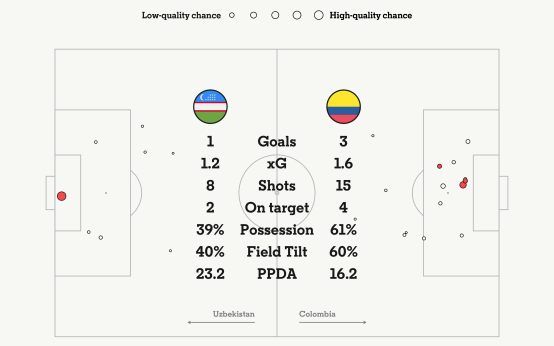 Colombia’s Tactical Play Secures Victory Over Uzbekistan
  Potential Impact of Makerfield By-Election on UK Politics
  Southeast Asia Turns to Solar Energy Amid Energy Crisis
 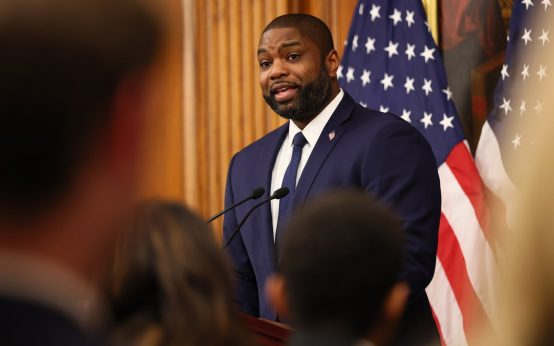 Poll Analysis: Byron Donalds vs. David Jolly in Florida Gubernatorial Race
  Airbnb Offers Free FIFA World Cup Tickets with Select Rentals
 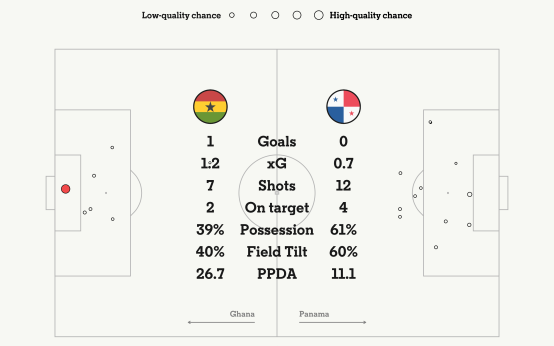 Ghana Secures Late Win Against Panama Amid Rainy Conditions