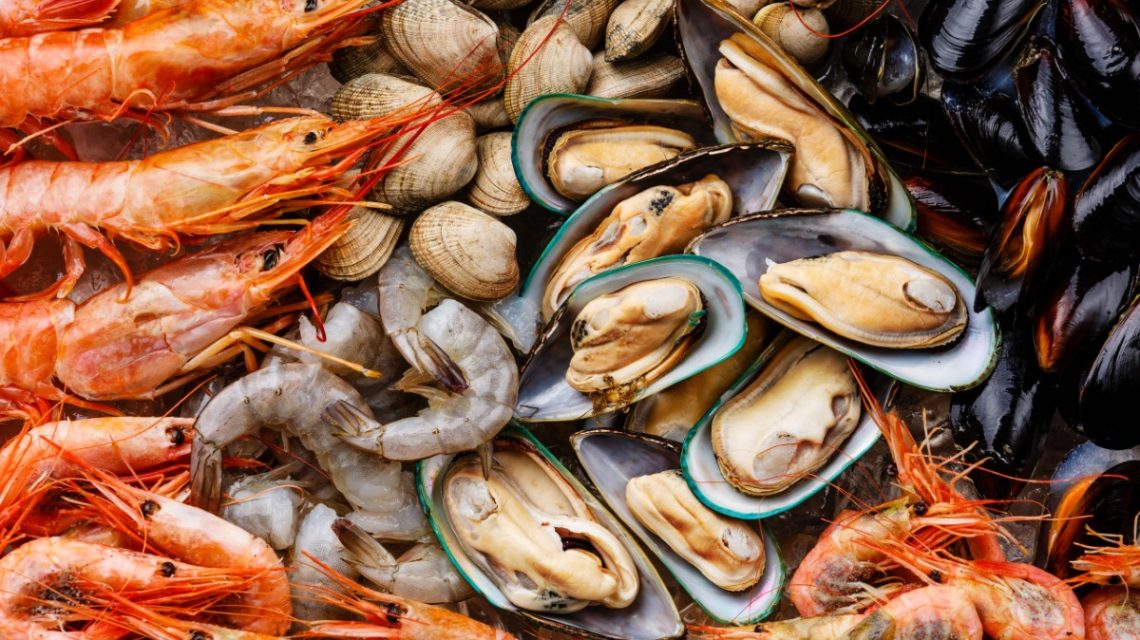
Change in Shellfish Definition
The U.S. Fish and Wildlife Service (FWS) has finalized a regulatory change concerning the definition of ‘shellfish’. The longstanding requirement that species within this classification must possess an external shell has been removed. This regulatory amendment, which officials stated aligns with contemporary scientific understanding and industry practices, was officially published in the Federal Register on June 23.
The modified definition now includes squid, cuttlefish, octopus, and other cephalopods as part of the shellfish category. This change aims to resolve ambiguity in classification that resulted in inconsistent handling of mollusks and related species at U.S. ports. The regulatory update is scheduled for implementation on July 23, 2026.
Key Aspects of the Rule Change
Previous regulations defined shellfish as species of mollusk with a shell. Regulatory authorities considered this requirement outdated and not reflective of biological classification. Under the updated definition, shellfish now encompasses aquatic invertebrates within the phylum Mollusca. This includes species such as oysters, clams, squid, and octopus, alongside crustaceans like lobster, shrimp, and crab.
The crucial adjustment involves removing the phrase ‘having a shell’. Historically, this exclusion of cephalopods created regulatory ambiguity at U.S. ports and in wildlife trade enforcement.
Importance for Trade and Regulation
Officials noted that the previous definition led to inconsistent treatment of cephalopod shipments, complicating import and export enforcement. This change has been advocated by industry groups in recent years. In October 2025, the U.S. Small Business Administration’s Office of Advocacy highlighted the issue, pointing out the financial burdens placed on squid harvesters due to regulatory ambiguity.
U.S. companies engaged in squid exports and imports faced numerous fees and costs, including a base inspection rate per squid shipment, licensing fees, overtime charges, among others. The Office of Advocacy stated that these unnecessary expenses disproportionately impact small businesses compared to larger entities. They suggested that the National Oceanic and Atmospheric Administration collaborate with the FWS to classify squid as either ‘shellfish’ or ‘fishery products’ to streamline regulations.
The Mid-Atlantic Fishery Management Council also advocated for the change in 2020, urging the Secretary of the Interior to address the FWS oversight issues. They emphasized that U.S. squid producers encountered redundant and costly licensing and inspection requirements.
Most other commercial U.S. fishery products are exempt from regulations aimed at preventing unauthorized trade of endangered and protected wildlife. The council recommended reclassifying squid to exempt them from these fees.
Impact on Allergies
Although this rule change pertains to regulatory aspects, it has implications for people with allergies. Cephalopods, including squid, octopus, and cuttlefish, are already identified in medical literature as foods linked to shellfish allergies, despite lacking external shells.
The update does not alter risks for individuals with shellfish allergies but supports existing medical understanding. It may help clarify labeling, trade terminology, and regulatory communication, ensuring these species are recognized as part of the shellfish category from a risk and classification perspective.
 The Alarming Issue of Abandoned Oil Wells in Southern Illinois
  Heatwave Grips Europe with Record Temperatures
  Severe Heat Wave Sweeps Across France
  Challenges in Extinguishing Boyle Heights Warehouse Fire
  The Mystery Behind Coho Salmon Deaths: A Tire Chemical Culprit
  DOE Extends Operation Order for Indiana Power Stations Amid Controversy