
The burning of fossil fuels continues to elevate global temperatures. However, specific local factors on land and at sea influence which areas warm most quickly.
Recently, Western Europe has experienced another record-breaking heat wave. This is in line with a concerning trend: over the past 30 years, Europe has seen faster warming than any other continent. Average temperatures have risen by approximately 1 degree Fahrenheit (0.56 degrees Celsius) per decade since the mid-1990s. This rate is more than double the global average, as reported by Copernicus, the European Union’s climate monitoring service.
Carbon dioxide emissions and other heat-retaining gases from human activities contribute to the planet’s long-term temperature rise. These emissions intensify heat waves, making them more severe and longer lasting.
Local factors affect how this additional heat is distributed globally and explain why some regions, including Europe, experience faster temperature increases. For example, in Europe’s northern areas, warmer air melts sea ice that previously covered large portions of the Arctic. This exposes more of the ocean’s surface, which absorbs solar energy and further accelerates warming near the North Pole.
Pollution control measures also play a role in Europe’s rapid warming. While regulations have improved air quality for Europeans, they have also reduced airborne particles known as aerosols that reflect sunlight back into space.
 Egyptian Archaeologists Uncover Ancient Burial Practices at Greco-Roman Cemetery
  Climate Change Alters the Swiss Experience
  Lincoln Memorial Reflecting Pool Renovation and Controversy: Arrests, Environmental Concerns, and Repairs
 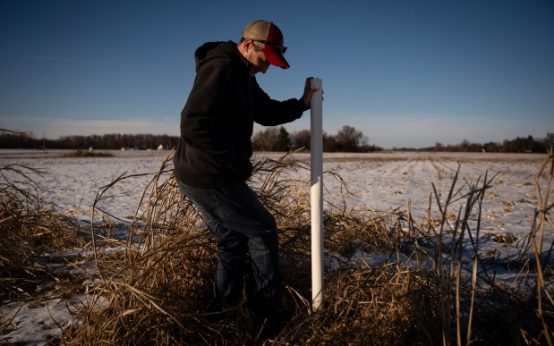 The Alarming Issue of Abandoned Oil Wells in Southern Illinois
  Regulatory Reclassification of Shellfish by U.S. Fish and Wildlife Service
  Heatwave Grips Europe with Record Temperatures