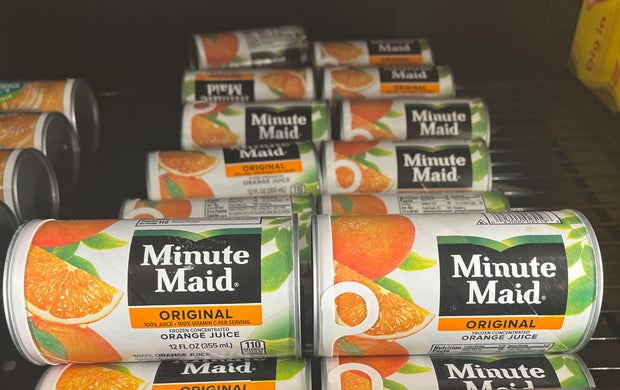
In 1946, Minute Maid revolutionized the way Americans enjoyed orange juice by introducing frozen juice concentrates that could be easily stored and prepared year-round. However, after 80 years, the brand’s parent company, The Coca-Cola Co., has announced that it will cease sales of frozen juice concentrates in both the U.S. and Canada. The decision is a strategic move to focus more on fresh juices, which have become increasingly popular among consumers.
According to a statement released by Coca-Cola on Wednesday, the company is “discontinuing our frozen products and exiting the frozen can category in response to shifting consumer preferences.” The production of various frozen juice products, including orange juice, lemonade, and limeade, will be phased out by April, with existing stock available for purchase until supplies run out.
Frozen juice concentrates have been a staple in American households for generations, eliminating the need to squeeze fresh fruit. Traditionally, consumers opened a can, allowing the frozen juice to slide into a pitcher before mixing it with water for serving. Minute Maid, originally named by Vacuum Foods Corp., was the first company in the United States to distribute frozen orange juice nationally, in 1946.
In 1960, Coca-Cola acquired Minute Maid, which had already become a well-known brand. A few years down the line, in 1973, Minute Maid began selling ready-to-drink orange juice located in the refrigerated sections of stores, catering to customers looking for convenience without compromising the freshness.
Even though rival brands such as Tropicana continue to sell frozen canned juice, Minute Maid has shifted its market focus in recent decades.
The orange juice market has faced challenges in recent years, as alternatives like energy drinks and protein smoothies have surged. Additionally, weather issues in Brazil and Florida have driven up orange juice prices significantly, with a 12-ounce can costing an average of $4.82 in December, marking a 13% increase from the previous year. Consumer concerns over high sugar content in juices have also influenced sales trends. In response, Minute Maid introduced its Zero Sugar line of fresh juices in 2020.
Despite these efforts with their fresh juice offerings, the frozen juice segment has seen a decline, reflected by an 8% decrease in U.S. sales of frozen beverages in the 52 weeks leading up to January 24, as reported by market research firm NielsenIQ.
 Potential Ebola Outbreak in Central Africa Raises Concerns of Rapid Spread
  Researchers Escorted Out of Diabetes Conference for Criticizing Trump Administration
  Ebola Outbreak in Africa: A Serious Concern
  Gold and the Ebola Outbreak in Congo’s Mining Towns
  House Passes Bill for Veterans’ Benefit Increase
 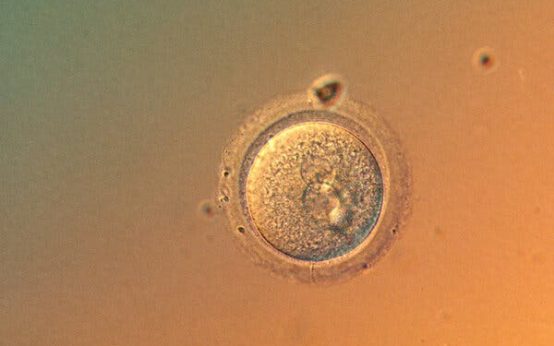 Gene Editing in Human Embryos at Columbia University