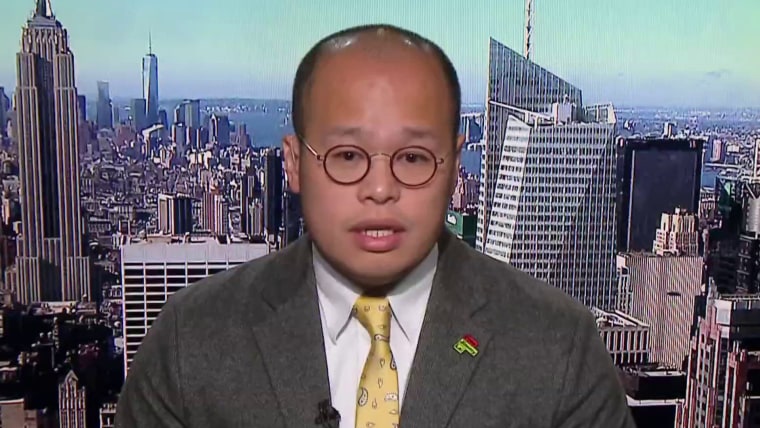
HONG KONG — Renowned pro-democracy figure Jimmy Lai has been sentenced to 20 years in prison in Hong Kong, a result of a significant national security trial. This case has become emblematic of Beijing’s ongoing suppression of dissent within the territory.
Lai, at 78 years old, is a prominent media magnate and vocal critic of China’s ruling Communist Party. He has consistently maintained his innocence against all charges. International observers, including the U.S. government, have criticized the trial, labeling it politically motivated and indicative of a decline in press freedom in Hong Kong, which was a British colony until 1997.
Human rights groups, along with Lai’s family, have voiced concerns about his wellbeing, especially since he has endured over five years in detention, much of it in solitary confinement. His son, Sebastien Lai, described the sentencing as “devastating” and potentially life-threatening for his father. He highlighted that this lengthy sentence, the most severe under the Beijing-imposed national security law, signified the comprehensive dismantling of Hong Kong’s legal framework. In a statement, he implored China to “do the right thing and release him before it is too late.”
The majority of Lai’s 20-year sentence will run concurrently with other ongoing legal matters. Eight additional defendants, six of whom were journalists for Lai’s now-closed Apple Daily, received sentences varying from six years and three months to a decade after pleading guilty, several provided testimony against Lai.
Considerable public interest was evident outside the courthouse, with individuals queuing for days to gain entry to the hearing. Authorities had implemented measures to control the public, including a police cordon and the collection of personal identification details. Following the verdict, supporters gathered outside the courtroom to offer mutual support.
Lai’s arrest took place in 2020, swiftly after Beijing introduced an extensive national security law as a countermeasure to the prolonged anti-government protests from the previous year. Local officials contend that the enforcement of this law was crucial for restoring peace after the protests, which at times became violent, asserting that Lai’s case does not pertain to press freedoms.
Hong Kong’s chief executive, John Lee, accused Lai of exploiting the pro-democracy-leaning Apple Daily to “poison minds” in Hong Kong, stating that his sentencing “brings great relief to all.” The Hong Kong authorities, aligned with Beijing, endorsed the sentence, with Steve Li, the city’s national security police chief, dismissing health concerns for Lai as “exaggerated.” The government also confirmed that Lai has access to medical care and had requested solitary confinement for safety.
The case of Jimmy Lai has attracted global attention, including from leaders like President Donald Trump, who had committed to working for Lai’s release, expressing distress over Lai’s conviction on sedition and collusion charges in December. British Prime Minister Keir Starmer, after discussions with Chinese President Xi Jinping, also raised concerns regarding British citizen Lai.
Yvette Cooper, the British Foreign Secretary, characterized Lai’s sentence as “tantamount to a life sentence” and reiterated calls for his release on compassionate grounds, emphasizing the urgent need for him to reunite with his family.
In response, Hong Kong authorities have defended their judiciary’s independence from mainland China, rejecting claims that foreign entities are interfering in their internal matters. Chief Justice Andrew Cheung, in a recent address, argued that appeals for Lai’s premature release challenge the core principles of justice.
Lai was found guilty on charges including conspiring to publish seditious material, rooted in colonial-era laws. Additionally, he was convicted for colluding with foreign forces under the national security law. Three judges, pre-selected by the government, depicted Lai as the orchestrator of an effort to lobby foreign powers to enact sanctions against China and Hong Kong.
The judges’ extensive 855-page decision detailed Lai’s engagements with key U.S. officials, including meetings during the 2019 protests with figures such as Vice President Mike Pence and Secretary of State Mike Pompeo.
This sentence follows earlier convictions for lesser offenses, such as fraud, where Lai received five years and nine months imprisonment in December 2022.
The enactment of the national security law and its subsequent legal applications have significantly changed Hong Kong, a global financial center previously assured of retaining civil liberties for 50 years following the 1997 handover. Consequently, many pro-democracy advocates have been detained, left politics, or emigrated.
A reflection of these changes is visible in Hong Kong’s drop to 140th in the World Press Freedom Index by Reporters Without Borders, a steep fall from its 18th spot in 2002.
 U.S. Military Awaits Pentagon’s Clarification on Troop Levels in Europe
  Potential Ebola Outbreak in Central Africa Raises Concerns of Rapid Spread
  U.S. and Allies Condemn Efforts to Overthrow Bolivian Government
 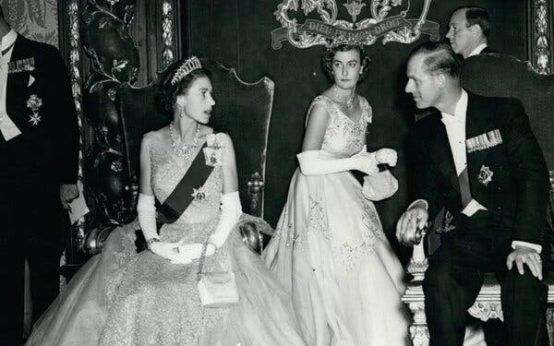 Pamela Hicks: Cousin, Bridesmaid, and Witness to History
  Latin American Deportees in Congo: Return to Home Countries Amid Challenges
  Controversy Surrounds Stabbing Incident of British Student