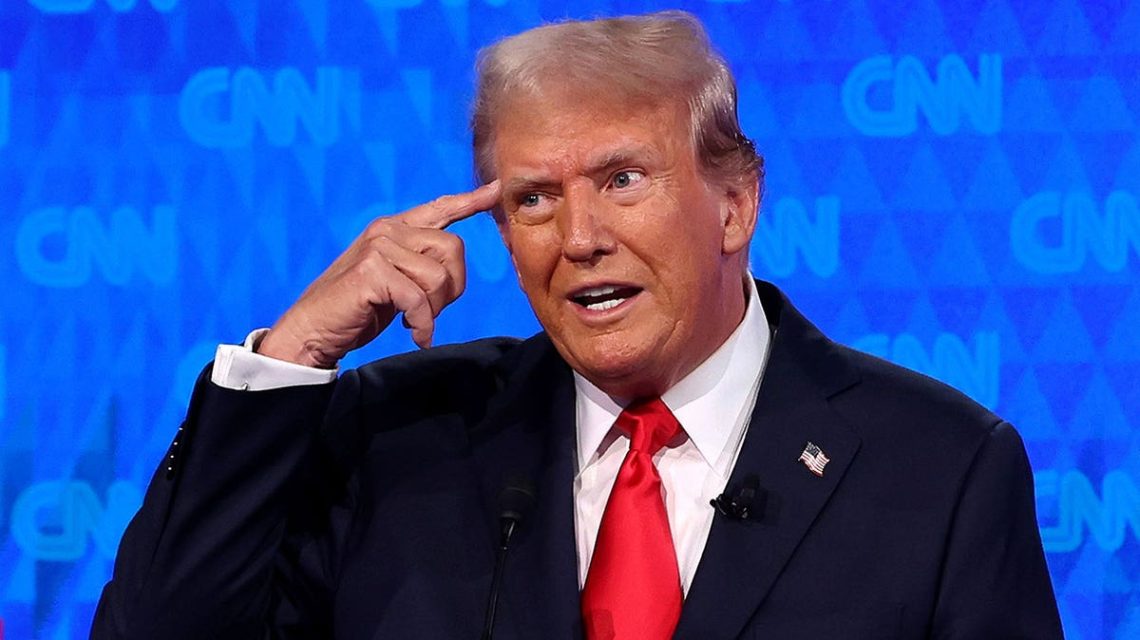
CNN experienced what is commonly referred to as the ‘Trump bump’ during Donald Trump’s first presidency, seeing significant spikes in viewership. However, as Trump returned to the political scene for a second term, both CNN’s audience numbers and the network’s dynamic have seen a notable shift.
According to an analysis, CNN has witnessed a dramatic decline, losing more than 40% of its audience for both total day and primetime slots from 2017 to 2025, years marking the transitions of Trump’s two presidencies. Back in 2015, before Trump’s campaign gained momentum, CNN averaged 711,000 in primetime viewership, with a total daily audience of 489,000. By 2016, as Trump’s bid for the Republican nomination gained traction, CNN and other media outlets began to realize Trump was boosting their ratings significantly.
The network attracted substantial audiences by broadcasting empty podiums waiting for Trump’s speeches and airing his rallies live, even at the risk of criticism from some quarters for the extensive coverage of the GOP candidate.
This strategy paid off with CNN averaging 1.3 million primetime viewers and 752,000 in total daily audience in 2016. The momentum carried into 2017, with CNN hitting a ‘ratings milestone.’ Programming that often featured criticism of Trump’s administration became a hallmark, contributing to the network’s popularity. Figures like Jim Acosta, known for his confrontations with Trump, gained household recognition.
By 2025, significant shifts occurred. Prominent figures like Don Lemon and Chris Cuomo departed, Acosta no longer graced the network, and CNN’s leadership experienced several changes. Under Jeff Zucker’s tenure, which saw the network’s pivot to more opinion-driven content, CNN experienced a divergence from its initial ‘just-the-facts’ approach. Post-Zucker, executives like Chris Licht aimed to reduce partisanship unsuccessfully before Mark Thompson took over in 2023. These leadership turnovers coincided with declining ratings.
Despite overall decreases in cable viewership due to factors like cord-cutting, with around 80 million U.S. homes moving away from traditional cable, CNN’s drop wasn’t solely due to this trend. Meanwhile, competitor Fox News Channel actually saw its audience grow by 10% in primetime and 13% in total day audiences through this period. Fox News increased its market share from 47% in 2017 to 63% by 2025.
Fox News contributor Joe Concha points out that CNN’s dwindling ratings reflect a loss of audience trust, which stemmed from repeatedly focusing on Trump-centric narratives. As a result, viewers may have shifted elsewhere, pursuing different platforms and options where their political interests could be better served.
Changes in audience behavior have also impacted CNN’s key advertising demographics, with significant drops recorded in the coveted 25–54 age group. Curtis Houck of NewsBusters noted that cable news is no longer the primary destination for Trump critics who now have myriad options including podcasts and online spaces that align with their perspectives.
According to Jeffrey McCall, a media analyst, the dramatic shifts in CNN’s audience are possibly due in part to the media’s initial disbelief at Trump’s victory and the ensuing narrative that followed. While resistance to Trump was once fervent, McCall suggests the urgency has lessened with time and shifts in political priorities.
While CNN continues to navigate these changes, nothing suggests the network has found a clear path to reclaim its former audience engagement or adjust successfully to the newer media consumption trends.
 Meta and YouTube Ordered to Pay Damages in Landmark Social Media Lawsuit
  60 Minutes Correspondents Decide to Stay Amid Crisis
  AI Impact: How AI Search is Transforming Professional Services and IT Budgets
  The Critical Role of Magnets in Modern Drone Warfare
  Rising Energy Demands Drive Innovative Solutions
  SpaceX Market Debut: Elon Musk’s Journey to Trillionaire Status