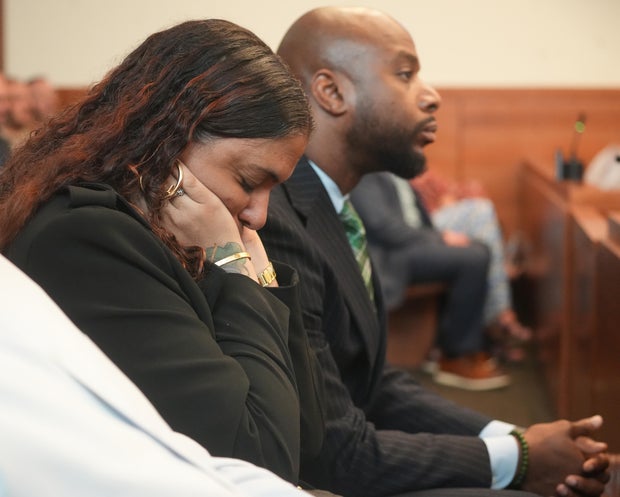
A former sheriff’s deputy was found guilty of reckless homicide on Thursday for the shooting of Casey Goodson Jr., a Black man. The incident occurred in December 2020 and drew significant public outrage in Ohio. The jurors could not reach a consensus on the more severe charge of murder, leading the judge to declare a mistrial on that count.
Jason Meade, a former deputy and White, shot Goodson five times in the back and once in the side. Meade claimed the shooting was justified because he believed Goodson was holding a gun and turning toward him in the doorway of a Columbus house. However, no witnesses supported this claim, and no cameras captured the event. This was Meade’s second murder trial, with the first ending in a mistrial two years earlier.
The conviction makes Meade the second White law enforcement officer in Ohio to be found guilty of killing a Black man since the 2020 national protests following George Floyd’s death. Goodson’s mother, Tamala Payne, expressed relief at the verdict, stating it provided closure and peace for their family. She had previously described her son’s death as murder.
During the first trial, Meade testified that he pursued Goodson after the young man reportedly waved a gun at him. However, Goodson was allegedly holding Subway sandwiches and his keys, with earbuds in, when he was shot. Meade did not testify in the second trial.
Prosecutors argued that Goodson’s gun was not in his hands. They suggested it was in a weak holder under his belt and found under his body, with the safety still engaged. Meade, 47, retired in 2021 and is now a Baptist pastor. His attorney defended Meade’s actions, citing his oral and written accounts.
The legal definitions in Ohio describe murder as the intentional causing of death, while reckless homicide involves acting recklessly in causing death. The former can lead to life imprisonment, whereas the latter carries a maximum sentence of five years. Judge David Young set Meade’s sentencing for July 16.
Prosecutors expressed satisfaction with the reckless homicide verdict but have not decided on pursuing another trial for the murder charge. Sean Walton, attorney for Goodson’s family, highlighted the jurors’ inclination towards a murder conviction, urging further pursuit.
Defense attorneys did not make a statement following the verdict. Brian Steel, president of the Fraternal Order of Police Capital City Lodge #9, respected the jury’s decision but opposed a third trial, citing the lengthy legal process’s toll on families and the community.
Christopher Corne, a witness, testified that Goodson appeared to be singing and dancing before the shooting, and he did not see Goodson with a gun. Meanwhile, Columbus police Officer Samuel Rippey noted seeing a gun with an extended magazine on the floor while treating Goodson.
Goodson’s death fueled demands for police reform, reflecting similar outcries following George Floyd’s killing. Banners calling for justice were displayed in Columbus but were removed by the judge’s order during the trial. Previous prosecutions in Ohio have resulted in few convictions, with officer Adam Coy being notably indicted in the 2020 killing of Andre Hill.
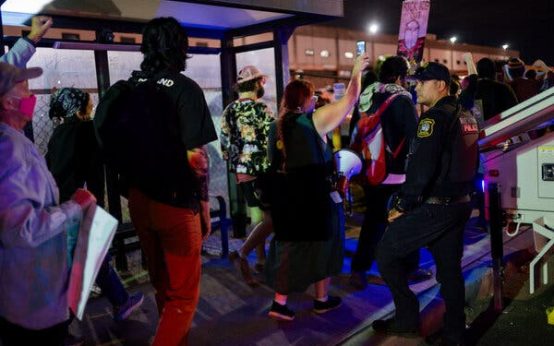 Newark Scales Back Police Presence at Detention Center Protests
 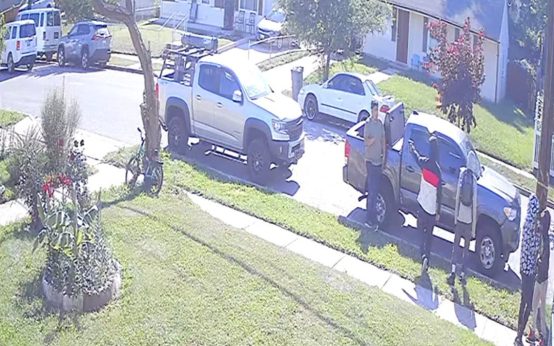 Marine Veteran Thwarts Armed Teen Attack in Maryland
 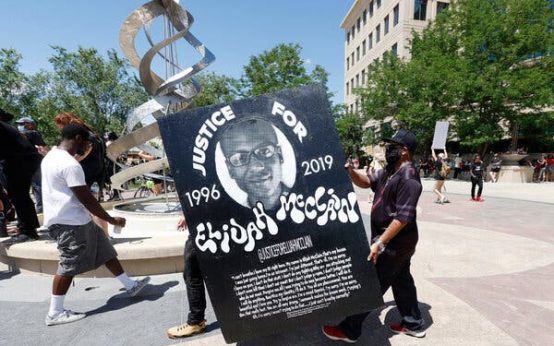 Colorado Court Orders New Trials for Paramedics in Elijah McClain Case
  Judge Dismisses Murder Charge Against Arkansas Sheriff Nominee
  Medicare and Medicaid Fraud Under Scrutiny
  Protesters Facing Federal Charges Avoid State Charges in Minnesota Church Incident