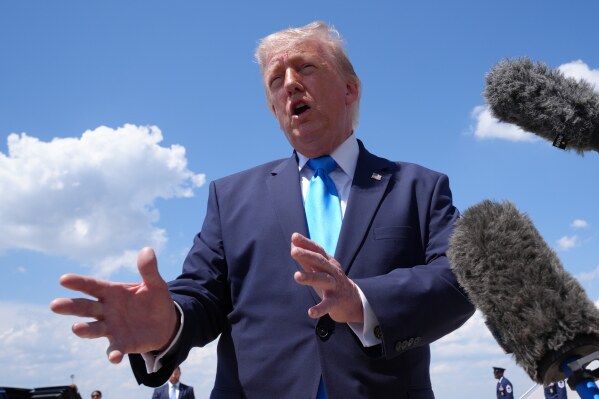
Federal prosecutors have charged former Cuban President Raúl Castro with ordering the shootdown of civilian planes in 1996. This marks a significant escalation by the Trump administration against Cuba’s government. The planes, operated by Miami-based exiles, were downed, and the charges add pressure on Cuba’s leadership.
President Trump, along with his administration, has intensified efforts to isolate the Cuban government. Raúl Castro, who has been a prominent figure in Cuban politics, faces charges that could lead to severe penalties, including the death penalty or life imprisonment.
Observers in Cuba express mixed reactions. Debrezei Barreras, a Cuban housewife, voiced concern over a possible U.S. intervention, suggesting that both nations should seek peaceful resolutions to Cuba’s crises. Rodny Amaguer, an architect, agreed that external forces should stay out of Cuba’s internal matters. Rolando Mesa, a Cuban state employee, reflected on the double standards he perceives in international responses to airspace violations.
The legal case against Castro comes with charges of murder and conspiracy, reflecting the seriousness of the allegations. Alongside Castro, other individuals are being held accountable for the incident, raising questions about potential diplomatic and military fallout.
U.S. officials expect Castro to respond to the charges, with Acting Attorney General Todd Blanche suggesting that extradition or voluntary appearance in court is anticipated. The presence of U.S. military forces in Cuba and ongoing sanctions add a layer of complexity to the diplomatic interactions between the two nations.
Cuban President Miguel Díaz-Canel has condemned the indictment, describing it as politically motivated and without legal justification. He argues that the 1996 actions were in self-defense against repeated airspace intrusions.
Meanwhile, in the United States, political opinions on the issue vary. Sen. Ashley Moody commended the Trump administration for enforcing accountability in international relations. However, there are critics who view the administration’s actions as overly aggressive.
This development is the latest in a series of moves by the U.S. government aiming to confront and potentially change longstanding relations with Cuba. As tensions rise, the future of U.S.-Cuba relations remains uncertain.
 U.S. Military Awaits Pentagon’s Clarification on Troop Levels in Europe
  Potential Ebola Outbreak in Central Africa Raises Concerns of Rapid Spread
 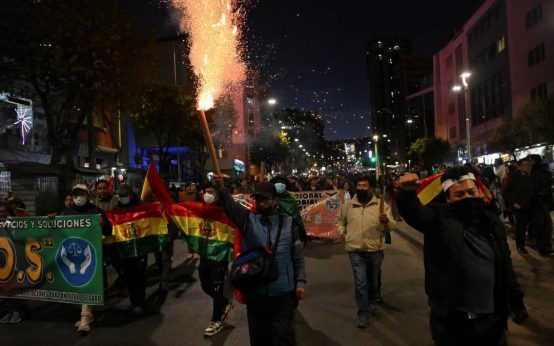 U.S. and Allies Condemn Efforts to Overthrow Bolivian Government
  Pamela Hicks: Cousin, Bridesmaid, and Witness to History
  Latin American Deportees in Congo: Return to Home Countries Amid Challenges
  Controversy Surrounds Stabbing Incident of British Student