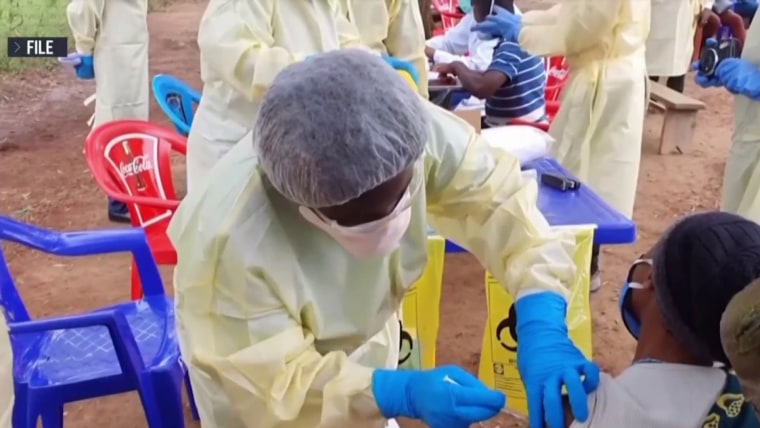
Last year, the U.S. Agency for International Development (USAID) underwent significant changes, affecting its role in managing Ebola outbreaks. A dozen former federal employees reported to NBC News that the nation’s response to the current outbreak has been slow and fragmented. The Trump administration reduced USAID’s capacity, cutting many programs and staff. Approximately 1,000 programs were incorporated into the State Department.
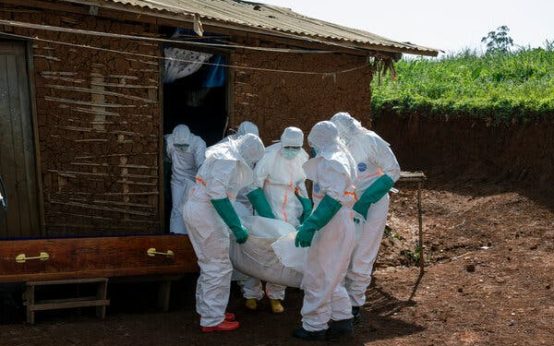
Ex-officials from USAID, the Centers for Disease Control and Prevention (CDC), National Institutes of Health, and the White House suggested that USAID’s resources might have helped control the outbreak earlier in Congo. The World Health Organization reported at least 139 suspected deaths and 600 cases, with true numbers likely higher.
The Lost Speed and Effectiveness
Nicholas Enrich, a former USAID official, highlighted the importance of speed in handling such crises. USAID’s efforts previously assisted in virus detection, rapid distribution of protective gear, and health worker deployment. Enrich and others believe such systems began to crumble in early 2025 under the Trump administration’s reduced foreign aid strategy.
“What we’ve lost is speed, which is the most important thing in an outbreak like this.” – Nicholas Enrich
Consequences of Reduced Funding
Dr. Daniel Bausch remarked that community health workers had sought other employment due to funding cuts. The International Rescue Committee, previously a USAID contractor, also reduced operations in the outbreak’s focal area, Ituri province, citing financial constraints as a cause for diminished surveillance and sanitation measures.
Heather Reoch Kerr from the IRC discussed the lack of protective equipment in local facilities. Despite the State Department’s denial of adverse impacts from USAID changes, they committed $23 million for enhancing surveillance and laboratory capacity.
The State Department’s Stance
State Department representatives dismissed claims about USAID cuts hindering the Ebola response. They announced plans to fund 50 clinics for emergency purposes. However, a senior official argued that USAID’s absence didn’t affect outbreak detection.
Shift in Response Efforts
With USAID diminished, the CDC expanded its role in the outbreak. The agency focused on surveillance, diagnostics, and equipment distribution. Dr. Satish Pillai emphasized the CDC’s presence in Congo and Uganda. Nevertheless, Enrich noted that the CDC primarily offers technical guidance rather than coordinating broad responses.
Dr. Bausch expressed concerns that CDC staff lack familiarity with the affected region’s culture and security context. Former CDC officials cited security challenges in reaching affected areas in Congo.
Current Challenges and Concerns
Andrew Nixon from Health and Human Services noted the CDC’s expertise in viral diseases. However, delays in identifying the disease strain, Bundibugyo virus, due to equipment shortages were reported. This strain has no approved vaccine or treatment, complicating containment efforts.
A former USAID official indicated that USAID involvement could have detected system shortcomings earlier. Many regional hospitals lacked critical protective resources, prompting Dr. Herbert Luswata in Uganda to voice fears about inadequate safety measures.
Luswata noted slow responses compared to previous outbreaks, limiting protective supplies and knowledgeable healthcare staff.
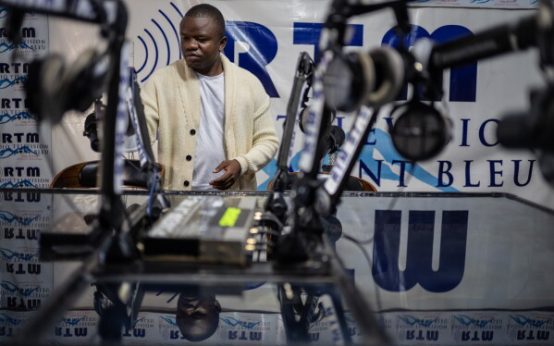 Potential Ebola Outbreak in Central Africa Raises Concerns of Rapid Spread
  Researchers Escorted Out of Diabetes Conference for Criticizing Trump Administration
 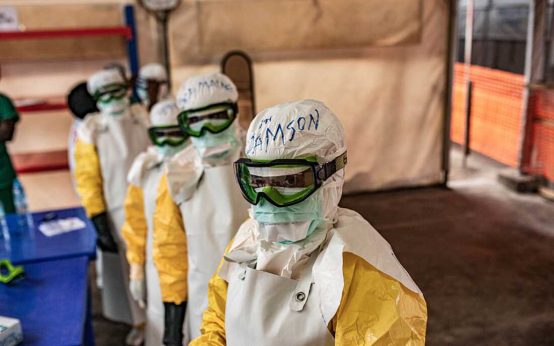 Ebola Outbreak in Africa: A Serious Concern
  Gold and the Ebola Outbreak in Congo’s Mining Towns
  House Passes Bill for Veterans’ Benefit Increase
  Gene Editing in Human Embryos at Columbia University