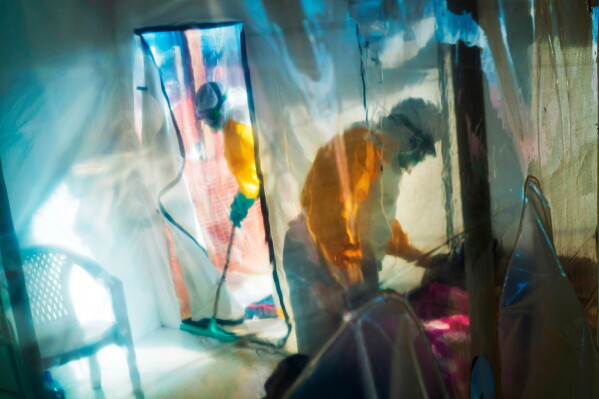
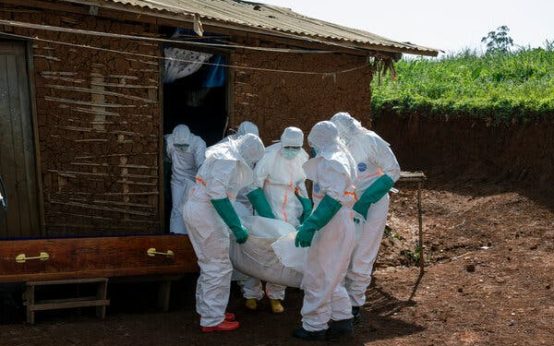
The World Health Organization (WHO) has declared the Ebola outbreak in the Democratic Republic of the Congo and neighboring Uganda a public health emergency of international concern. This follows the reporting of over 300 suspected cases and 88 deaths. However, the WHO noted that the outbreak does not meet the criteria for a pandemic like COVID-19 and advises against closing international borders.
A laboratory-confirmed case was reported in Congo’s capital, Kinshasa, approximately 1,000 kilometers from the outbreak’s center in the eastern province of Ituri, suggesting possible wider spread. The patient had visited Ituri and there are suspected cases in North Kivu, a populous province bordering Ituri. Goma, the largest city in eastern Congo, confirmed its first Ebola case from Ituri on Sunday. The infected individual is isolated, according to a city statement.
Conflict and displacement in Goma have complicated containment efforts. Fighting between Congolese forces and the Rwanda-backed M23 rebel group has displaced hundreds of thousands. Ebola is highly contagious, spreading through bodily fluids like vomit and blood. It’s rare but often fatal.
The WHO’s emergency declaration aims to prompt donor agencies and countries to take action. The declaration signifies a serious event with international spread risk requiring coordinated response. A separate WHO Africa Office statement announced that a team of 35 WHO and Congolese Health Ministry experts arrived in Ituri’s capital, Bunia, with seven tons of emergency supplies.
Global response to past emergency declarations varied. In 2024, despite WHO declaring a global emergency for monkeypox outbreaks in Congo and other African regions, delays in supplies like diagnostics and vaccines were reported.
The current outbreak is caused by the Bundibugyo virus, a rare Ebola variant with no approved treatments or vaccines. This is its third known detection, following previous outbreaks in Uganda’s Bundibugyo district (2007-2008) and Ituri, Congo (2012).
Dr. Richard Kitenge of the Congolese Public Health Emergency Operations Center said risks are high but Congo has managed past epidemics without treatment. Meanwhile, violent conflict and population mobility due to mining complicate containment efforts in the region.
As of Saturday, Africa’s CDC reported 336 suspected cases and 87 deaths in Congo. WHO Director General Tedros Adhanom Ghebreyesus cited significant uncertainty about the infected population’s true number and geographical spread.
Uganda reported two cases. One traveled from Congo and died in Kampala. The other, according to WHO, also traveled from Congo. The virus’s spread to Kampala and Uganda suggests a potentially larger outbreak than currently reported, with significant local and regional risk.
The CDC assesses low risk for Americans, working with health officials to manage the outbreak. Dr. Satish Pillai of the CDC stated 30 staff based in Congo are aiding the response, seeking to deploy additional workers. Travelers to Congo are advised to avoid symptomatic individuals.
The slow detection allowed the virus time to spread, with officials learning about the outbreak only after social media reports in May. By then, 50 deaths had occurred. Symptoms were seen in health workers, with at least four reported fatalities.
 Mount Sinai Health System Faces Subpoena on Gender-related Care
 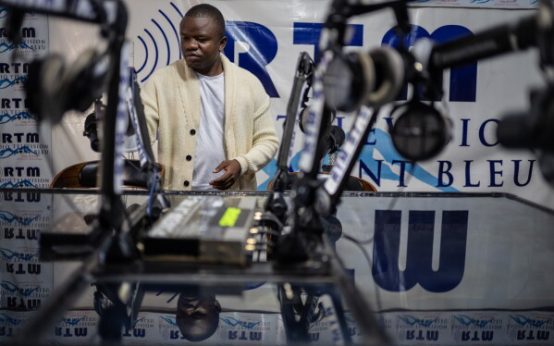 Potential Ebola Outbreak in Central Africa Raises Concerns of Rapid Spread
  Researchers Escorted Out of Diabetes Conference for Criticizing Trump Administration
 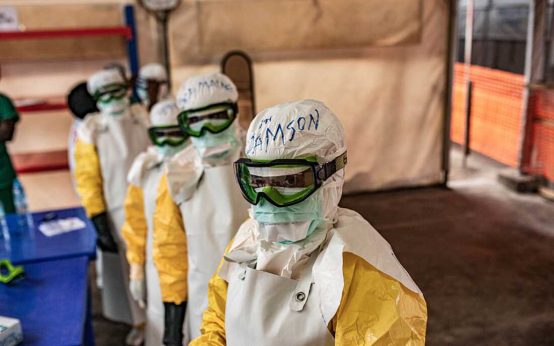 Ebola Outbreak in Africa: A Serious Concern
  Gold and the Ebola Outbreak in Congo’s Mining Towns
  House Passes Bill for Veterans’ Benefit Increase