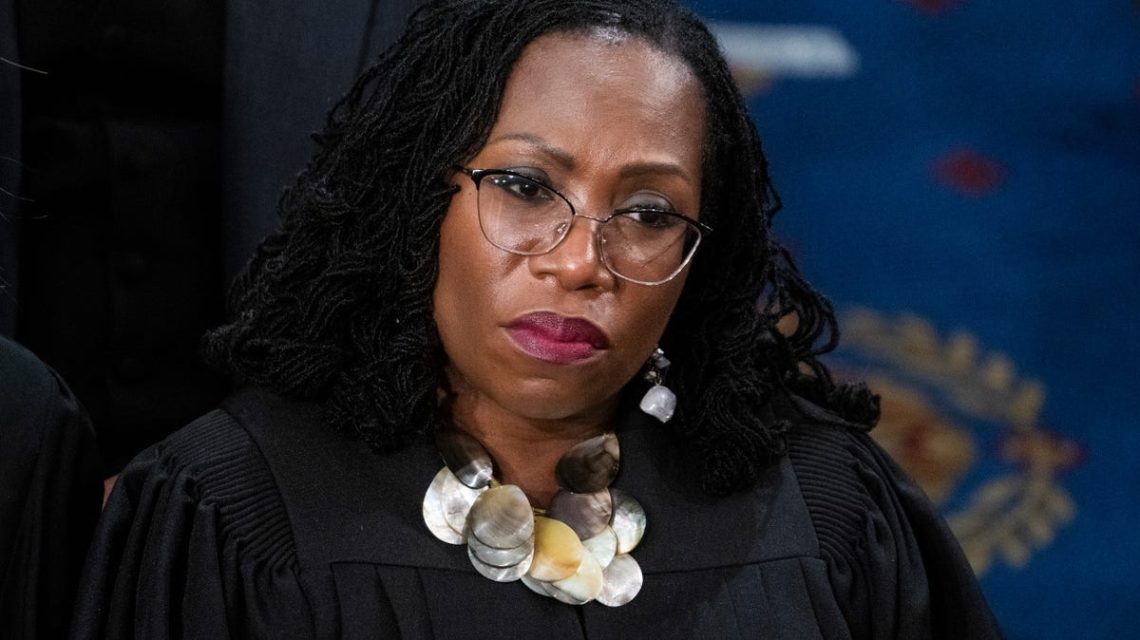
You can now listen to Fox News articles! Justice Ketanji Brown Jackson expressed her disagreement with the Supreme Court’s decision concerning a Louisiana gerrymandering case. The ruling guides lower courts in interpreting the Voting Rights Act and might undermine previous wins for voting rights advocates.
On Monday, the Supreme Court redirected a Mississippi case to the U.S. District Court for further review. This happened after their decision in Louisiana v. Callais, a case that dismissed race-based gerrymandering claims. Justice Jackson disagreed, emphasizing that the case only addressed Section 2’s private enforceability, a point Louisiana v. Callais did not tackle. “Thus I see no basis for vacating the lower court’s judgment,” she stated.
Last month, the Supreme Court restricted the scope of Section 2 of the Voting Rights Act, which oversees district drawing in relation to minority voters, through its decision in the Louisiana v. Callais case.
In Louisiana v. Callais, the main issue was if the state’s 2024 congressional map with a second majority-Black district was unconstitutional. The justices accepted that states might consider the Voting Rights Act as a compelling interest in redistricting. However, they concluded it does not obligate Louisiana to establish a second, majority-Black district, supporting a lower court’s decision to block the state’s map.
The Supreme Court’s building stands in Washington, D.C. (AP/Jon Elswick)
This ruling might lead to new legal claims regarding congressional boundaries. It requires plaintiffs to demonstrate a racially discriminatory intention to challenge maps effectively.
For more information, download the Fox News app.
 Khanna Urges Apology from Maine Senate Candidate Over Misconduct Allegations
  Judge Overturns Trump-Era Immigration Policies
  Trump Aims to Reduce National Intelligence Office Size
 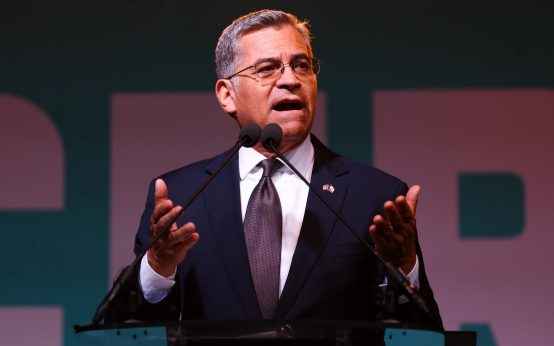 California Primary Election 2026: Key Races and Emerging Results
 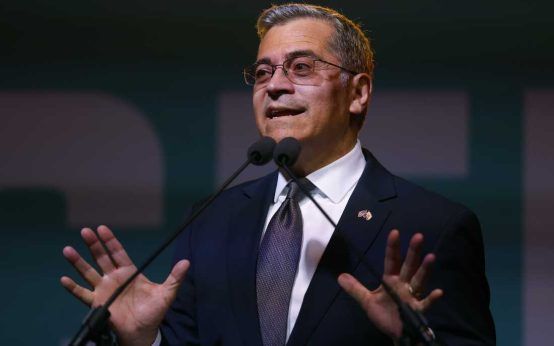 Xavier Becerra Advances in California Governor Race
 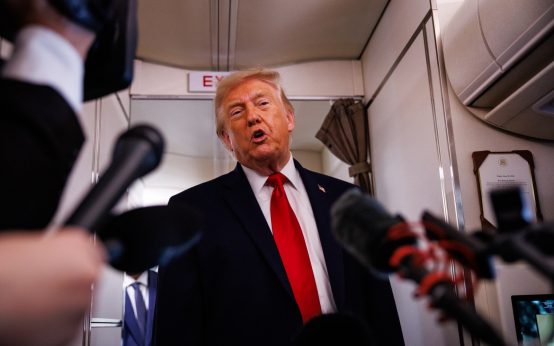 Trump Criticizes Senator Tillis Amid Nomination Discussions