On Thursday, House Republicans postponed a vote on a measure that would demand President Trump withdraw from the conflict with Iran. The delay came as the Trump administration struggled to maintain congressional support for the war. The planned vote was on a war powers resolution by Democrats, aiming to curb Mr. Trump’s ability to conduct military actions against Iran without congressional approval. However, with several Republicans absent, GOP leaders decided not to proceed with the vote.
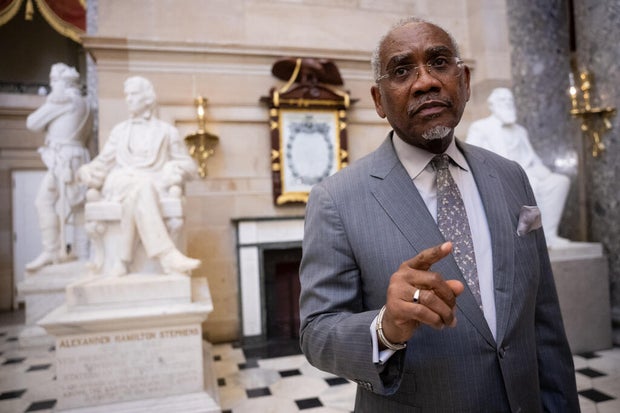
Democratic Representative Gregory Meeks of New York, who sponsored the resolution, expressed frustration, stating, “We had the votes without question, and they knew it. As a result, they’re playing a political game.” Meeks is the top Democrat on the House Foreign Affairs Committee.
This decision underscores the uncertain backing in Congress for the war, initiated by Mr. Trump nearly three months ago. Although a ceasefire with Iran began in early April, tensions remain. Last week, the House narrowly rejected a similar resolution in a 212-212 tie, with three Republicans supporting the measure. Meanwhile, the Senate has made progress, advancing a war powers resolution with support from four GOP senators, despite the absence of three others. This move marked a significant milestone for Democrats after multiple unsuccessful attempts to pass Iran-related legislation.
House Republican Leader Steve Scalise explained that the vote was delayed to allow absent lawmakers a chance to participate. House Speaker Mike Johnson avoided questions from reporters as he left the chamber.
In a joint statement, House Minority Leader Hakeem Jeffries and other Democratic leaders criticized Republicans for their “cowardly” decision to delay the vote. The statement highlighted the proximity to Memorial Day and accused Republicans of avoiding accountability regarding military personnel in harm’s way.
Public opinion reflects growing impatience with the war among American citizens. Polls reveal disapproval of the military action against Iran and skepticism about the conflict’s progress. Although direct hostilities have paused, the standoff in the Strait of Hormuz has affected global shipping and increased U.S. gas prices.
Representative Jared Golden of Maine, the only Democrat who voted against last week’s resolution, has pledged to support the legislation in future votes. Most congressional Republicans have supported Mr. Trump’s efforts to dismantle Iran’s nuclear capabilities. Representative Brian Mast, a Republican and chair of the House Foreign Affairs Committee, expressed his support stating, “I’m an American. I don’t believe in getting hit and walking away.”
Nonetheless, an increasing number of Republicans now argue that the president’s timeframe to conduct military operations without congressional consent has expired. The 1973 law gives presidents 60 days to engage in military conflicts before needing congressional approval for further action. Representative Brian Fitzpatrick, a Republican from Pennsylvania, expressed his intention to vote for the war powers resolution, saying, “We’re past 60 days so it’s got to be brought to us to vote on. We’re following the law.”
The White House contends that the War Powers Resolution requirements no longer apply due to the ceasefire with Iran. Despite this, Mr. Trump revealed he nearly ordered another strike earlier this week but refrained after Gulf allies indicated ongoing negotiations to end the war. In a social media post, the president urged military leaders to “be prepared to go forward with a full, large-scale assault of Iran, on a moment’s notice, in the event that an acceptable deal is not reached.”
The push in Congress to pass a war powers resolution might trigger a legal confrontation over authority in military conflicts. The current legislation is a concurrent resolution, which, if passed by both chambers, would take effect without requiring Mr. Trump’s signature. However, Mr. Trump has argued that the 1973 law is unconstitutional.
Senator Thom Tillis, a Republican from North Carolina, has consistently opposed the war powers resolutions. He criticized the Trump administration’s approach, especially targeting Defense Secretary Pete Hegseth, saying, “The current status quo, Pete Hegseth demonstrates how incompetent he is.” Tillis indicated his willingness to support an authorization for the use of military force.
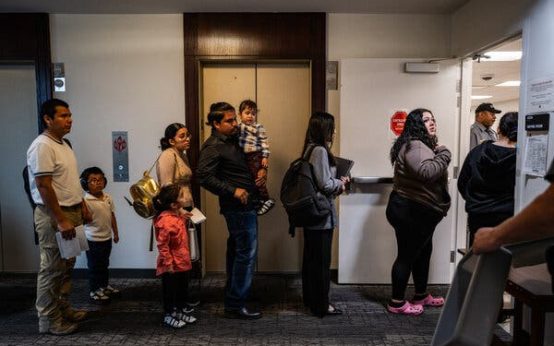 Judge Overturns Trump-Era Immigration Policies
 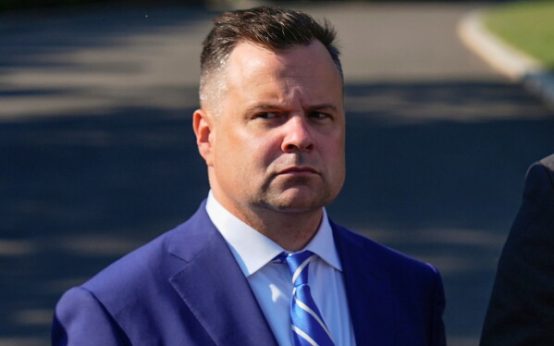 Trump Aims to Reduce National Intelligence Office Size
 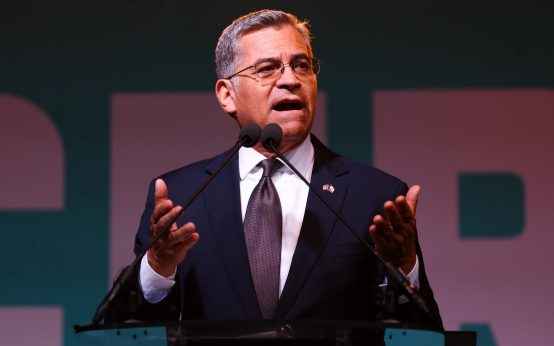 California Primary Election 2026: Key Races and Emerging Results
 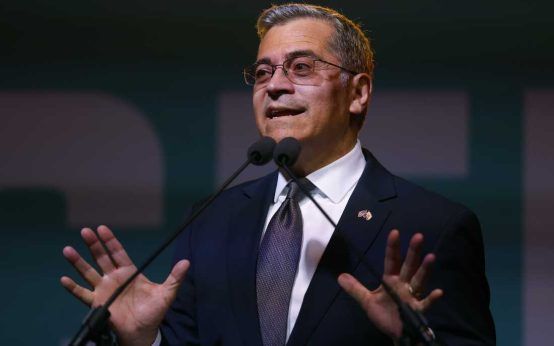 Xavier Becerra Advances in California Governor Race
 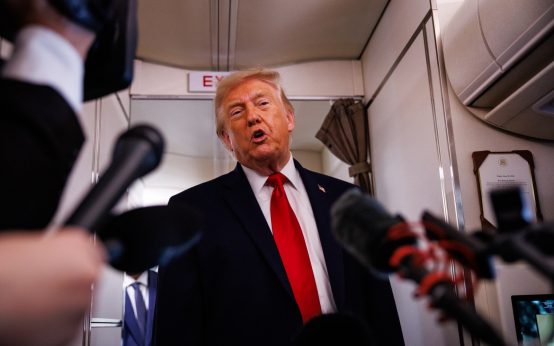 Trump Criticizes Senator Tillis Amid Nomination Discussions
 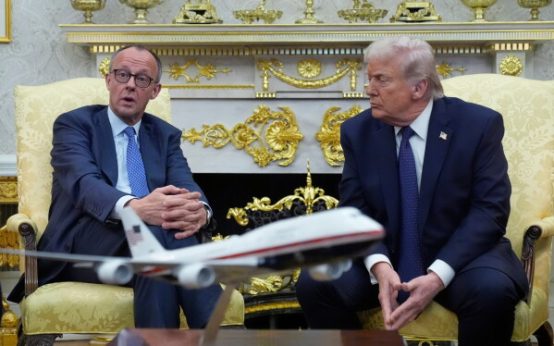 Clarity Sought on U.S. Troop Levels in Europe Amid Policy Changes