On July 4th, a legislator returned home to alarming stories from Southern California. Immigration patrols swept through communities, leading a voter to carry a passport to prove their right to be in the country. Representative Mark Takano, whose parents were born in the United States, could not ignore the historical parallels. During World War II, Takano’s parents were incarcerated along with other Americans of Japanese descent.
Takano shared his perspective in an interview with The Associated Press. ‘There is a similarity in circumstances,’ he stated, pointing out that his parents, then toddlers, were labeled enemy aliens and considered threats to national security. ‘They were placed in internment camps,’ he added. ‘The current administration employs similar reasoning, claiming immigrants pose a grave danger to the nation and that these actions are for our country’s safety.’
The Trump Administration’s Immigration Approach
President Donald Trump’s campaign promise of a major mass deportation operation reached a turning point. Americans are witnessing raids, detentions, and deportations since the deaths of Renee Good and Alex Pretti, citizens protesting such actions in Minneapolis.
The White House reoriented the Department of Homeland Security under the new Secretary, Markwayne Mullin, to reduce media focus. However, Trump faces growing pressure from conservative groups to continue deporting up to 1 million individuals annually. Republican allies in Congress fund immigration enforcement with substantial financial resources.
Takano, as the highest-ranking Democrat on the House Veterans’ Affairs Committee, relies on his family’s story – and the U.S.’s eventual compensation to Japanese Americans – to critique Trump’s approach. ‘We remember that era of history as shameful, a time when political leaders failed the Constitution and the American people,’ he explained.
Personal Family History
Takano grew up in Southern California, understanding his family’s history. His grandfather, Isao Takano, emigrated from Hiroshima, married Kazue Takahashi, a U.S. citizen by birth, and established a farming business in Bellevue, Washington. Once the U.S. entered World War II after Pearl Harbor, they were among about 120,000 Japanese Americans forcibly relocated. Takano’s father, William, was two years old when sent to Tule Lake internment camp in California. His mother, Nancy Tsugiye Sakamoto, was one year old when moved to Heart Mountain, Wyoming.
In recent operations targeting immigrants, detentions occur indiscriminately, Takano noted. In a speech, he questioned if future generations would visit detention centers like Florida’s Alcatraz of the Cayman Islands and wonder about past government actions. ‘These future Americans will look to us, Congress, to see what we did to try and stop it,’ he asserted.
A Lesson for Compensation
Takano recalled visiting lands that once belonged to his family, learning about his great-uncles in the 442nd Regimental Combat Team. One relative died in combat in Italy. His father later supported the national campaign for compensation.
In 1988, Congress passed the Civil Liberties Act to apologize for past injustices, offering $20,000 to individuals who had been detained. President Ronald Reagan signed the legislation. According to Takano, his parents received a government apology letter and financial compensation. Discussions among some lawmakers aim for similar compensation for those impacted by Trump’s immigration raids.
‘Remarkably, the nation recognized its error,’ Takano said. ‘I believe we are experiencing another era of mistakes, and we can emerge stronger from this time.’
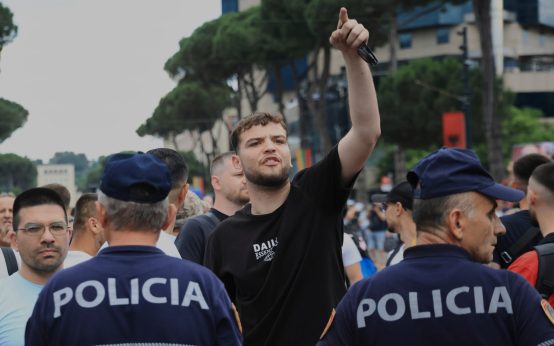 Protests Erupt in Albania Over Resort Development
 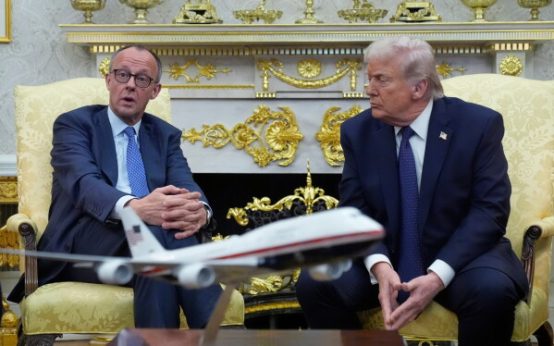 Clarity Sought on U.S. Troop Levels in Europe Amid Policy Changes
 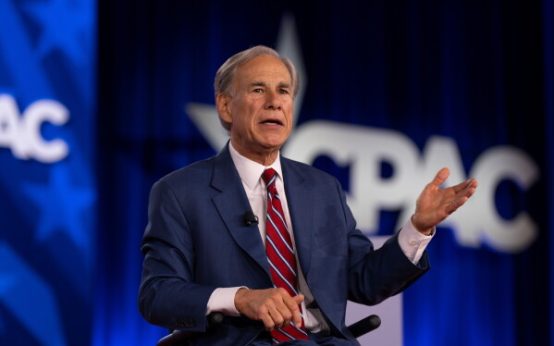 U.S. Military Awaits Pentagon’s Clarification on Troop Levels in Europe
 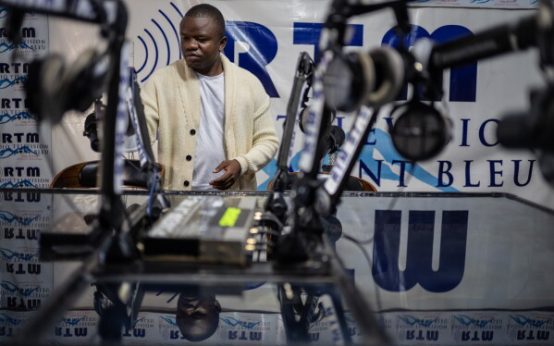 Potential Ebola Outbreak in Central Africa Raises Concerns of Rapid Spread
 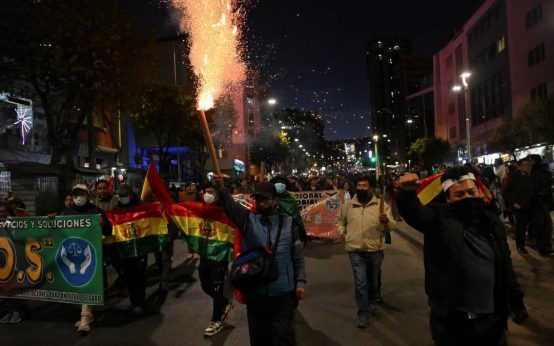 U.S. and Allies Condemn Efforts to Overthrow Bolivian Government
  Pamela Hicks: Cousin, Bridesmaid, and Witness to History