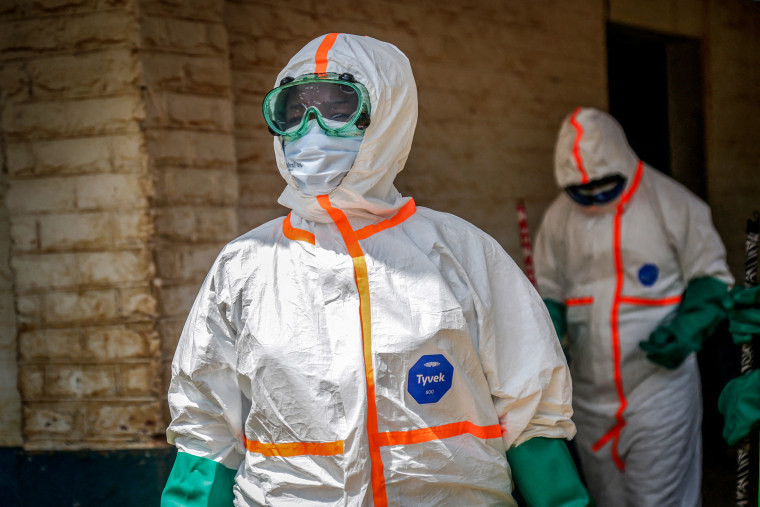
In the Democratic Republic of the Congo, doctors are battling Ebola on the front lines while facing additional challenges from attacks on their facilities and patients fleeing care. The northeastern province of Ituri has seen at least three such incidents, including two over the weekend at a single hospital, allowing over two dozen patients to escape.
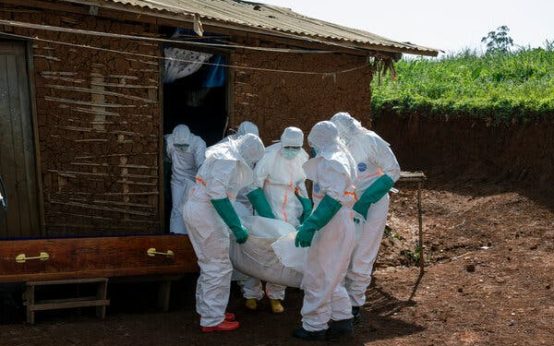
Health workers, donned in protective gear, continue efforts to disinfect Ebola patient isolation areas at the General Referral Hospital of Mongbwalu. Past outbreaks, notably between 2018 and 2020, have witnessed similar violence affecting health centers, resulting in the loss of more than 25 healthcare workers.
Some attacks were carried out by civilians frustrated over restrictions on burying loved ones or convinced that the outbreak is fabricated. The rapid influx of aid into an area accustomed to neglect has fueled local suspicions about the motives behind this sudden attention.
“There is denial of the disease within the population, with some members wanting to claim the bodies of suspected and/or confirmed cases,” said Dr. Richard Lokodu, medical director of the Mongbwalu General Referral Hospital.
The World Health Organization deemed the outbreak of the rare Bundibugyo strain of Ebola a public health emergency of international concern. As of Sunday, WHO chief Tedros Adhanom Ghebreyesus reported 900 suspected cases, including 101 confirmed cases, and 220 suspected deaths. A delay in case detection has complicated response efforts.
At Mongbwalu General Referral Hospital, 18 patients escaped on Saturday after unidentified individuals destroyed isolation tents set up by Medecins Sans Frontieres. Of the four lab results returned, three tested negative while one tested positive. This confirmed case remains in the community, highlighting ongoing transmission challenges.
The hospital faced multiple attacks on Sunday from youths incited by the family of a deceased Christian leader who succumbed to Ebola. These incidents resulted in seven additional patient escapes and required intervention by Congolese police and soldiers to restore order. A critically ill patient died while attempting to flee during the second attack.
“The attackers demanded the release of bodies for burial, despite the high risk of transmission from handling the infectious bodies of Ebola victims,” Lokodu explained.
During the 2013-2016 West African Ebola crisis, similar attacks against health workers occurred, driven by accusations of virus dissemination. Such incidents escalated during the 2018-2020 Congo outbreak, often fueled by militia groups leveraging the situation for gain amid regional insecurity and government distrust.
The current outbreak likely started in Ituri and has since extended to North and South Kivu provinces, crossing into neighboring Uganda. Recently, Uganda confirmed two additional Ebola cases, bringing their total to seven.
 Mount Sinai Health System Faces Subpoena on Gender-related Care
 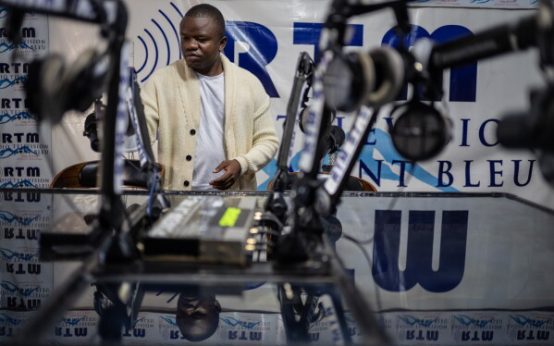 Potential Ebola Outbreak in Central Africa Raises Concerns of Rapid Spread
  Researchers Escorted Out of Diabetes Conference for Criticizing Trump Administration
 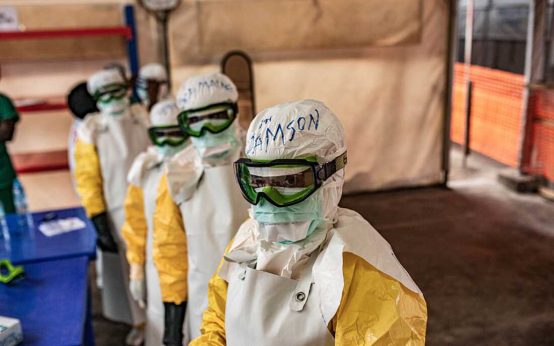 Ebola Outbreak in Africa: A Serious Concern
  Gold and the Ebola Outbreak in Congo’s Mining Towns
  House Passes Bill for Veterans’ Benefit Increase