
South Korean retail magnate Chung Yong-jin issued a formal apology on Tuesday, addressing backlash against Starbucks Korea for a controversial marketing campaign. As the chairman of Shinsegae Group, which holds a majority stake of 67.5% in Starbucks Korea, Chung’s public apology marked the second in two weeks. He expressed remorse over a campaign perceived as mocking victims of a violent military crackdown on pro-democracy activists in 1980.
During his televised address, Chung bowed thrice, seeking forgiveness from both the families of democracy activists killed under the military dictatorship and the broader public. The controversy stemmed from Starbucks Korea’s promotion of a tumbler named “tank,” which coincided with the anniversary of the May 18 democratic uprising in Gwangju. This uprising was infamously suppressed by military forces using tanks and helicopters, resulting in widespread casualties.
The campaign further incensed the public, utilizing the catchphrase “Thwack it on the table!” that many associate with a notorious 1987 police statement attempting to cover up the torture death of student activist Park Jong-chol. The police had claimed Park died after investigators “hit the desk with a thwack.” This led to immediate public outcry, prompting Shinsegae to cancel the promotion and dismiss the chief executive of Starbucks Korea.
Chung emphasized his commitment to addressing the deep pain and anger caused by the inappropriate marketing campaign, reassuring that responsibility lies with management rather than Starbucks staff. Although there were no major incidents reported at Starbucks locations, the outcry has led to calls for boycotts, further supported by government officials.
Interior and Safety Minister Yoon Ho-jung announced Starbucks products would no longer be used at government events, condemning the chain’s “anti-historical behavior.” President Lee Jae Myung also criticized the campaign, describing it as “inhumane and disgraceful.”
Jeon Sangjin, a senior executive at Shinsegae Group, stated there was no conclusive evidence that Starbucks Korea’s marketing team intended to ridicule the pro-democracy movement, despite accusations. An internal review indicated some employees resisted management’s requests to hand over their smartphones. The company awaits police inquiry results, pledging to fire any employee found mocking the protesters.
The backdrop of this controversy lies in the historical crackdown in Gwangju, occurring just months after General Chun Doo-hwan’s coup in late 1979. Official records cite around 200 fatalities, although activists argue the true number is higher. Nationwide protests fueled by public anger against Chun’s dictatorship led to constitutional reforms in 1987, marking the beginning of South Korea’s democratic transition.
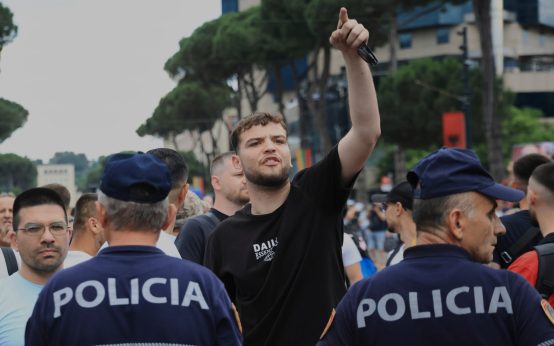 Protests Erupt in Albania Over Resort Development
 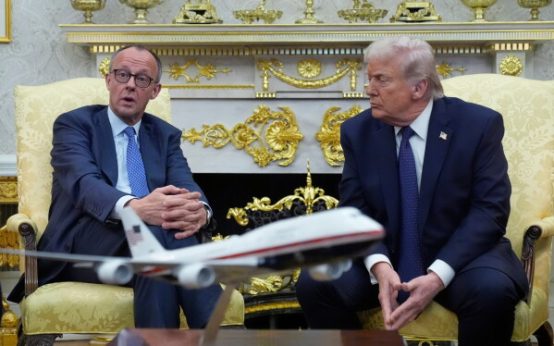 Clarity Sought on U.S. Troop Levels in Europe Amid Policy Changes
 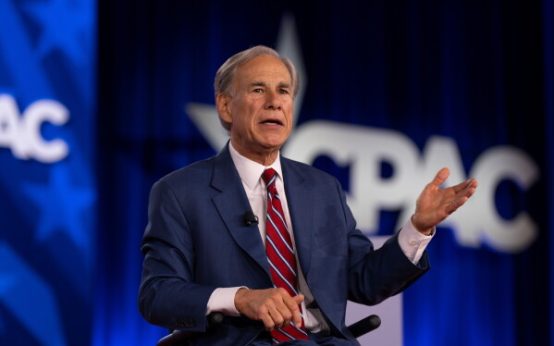 U.S. Military Awaits Pentagon’s Clarification on Troop Levels in Europe
 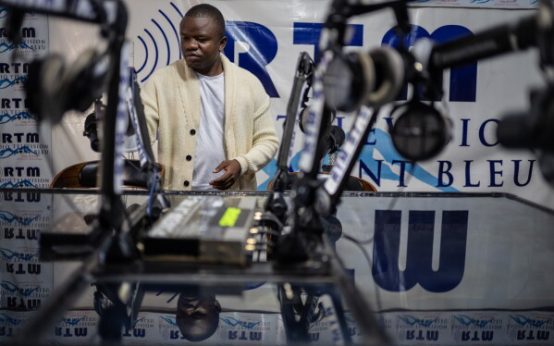 Potential Ebola Outbreak in Central Africa Raises Concerns of Rapid Spread
  U.S. and Allies Condemn Efforts to Overthrow Bolivian Government
  Pamela Hicks: Cousin, Bridesmaid, and Witness to History