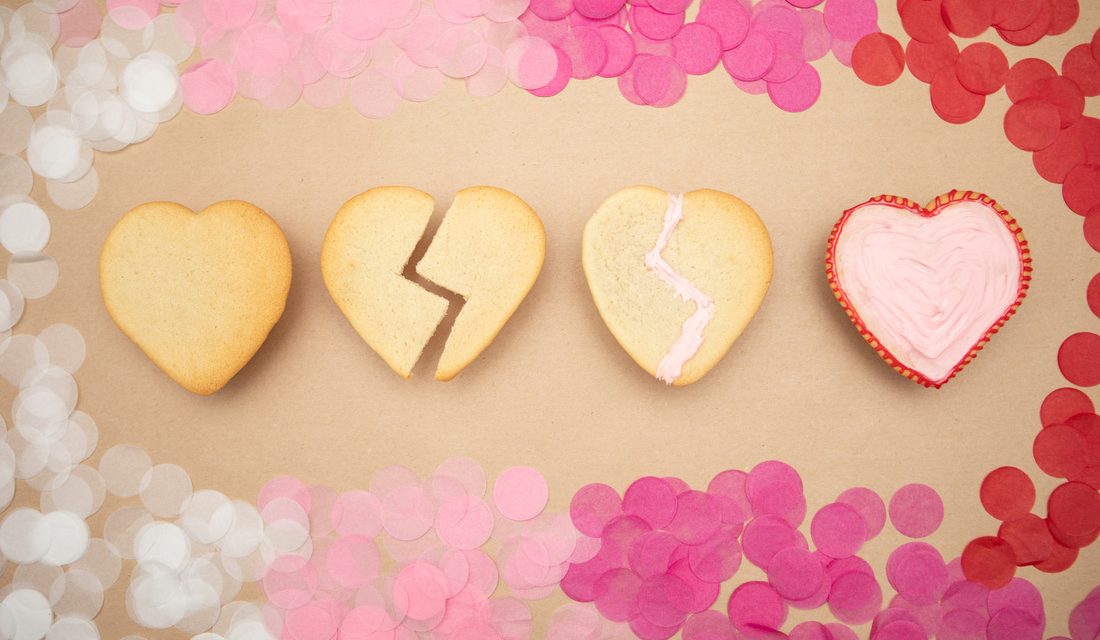
Amy Chan vividly recalls the moment her relationship ended. Discovering her partner’s infidelity shook her to the core. In the aftermath, she faced more than the loss of a partner. She lost the future she envisioned, which included a home and a family.
“I placed so much of my identity in him, and in our shared dreams, that when it ended, I lost my sense of self,” Chan explains. The breakup triggered years of depression and anxiety. Friends checked on her to ensure she was eating. Today, she has moved past the heartbreak and founded Renew Breakup Bootcamp. This retreat helps others heal with guidance from relationship experts. Chan also authored “Breakup Bootcamp: The Science of Rewiring Your Heart.” She and other experts shared insights on recovering from heartbreak.
Breakups Hurt. Respect the Process
Every breakup, whether sudden or gradual, can cause pain. Recognizing this is the first step in healing. Naomi Eisenberger, a psychology professor at UCLA, highlights how our happiness with loved ones lights up reward centers in the brain. However, social rejection triggers pain-related areas.
Orna Guralnik, a clinical psychologist, emphasizes the importance of self-care following a breakup. “Treat your breakup as deserving of your care and attention,” she advises. Friends’ well-meaning advice to “move on” often lacks the empathy needed during this period. Chan relates it to mourning. Allow yourself to feel emotions without self-judgment.
Avoid Using Substances as a Crutch
Alcohol and drugs impair logical thinking, which is crucial for recovery. Chan warns that such substances can amplify negative emotions, leading to regrettable decisions. Clarity is essential in this process.
Accept the End of the Relationship
Even when a relationship concludes, your body might still seek “love hormones.” Temptations like reviewing old messages or social media stalking linger. Chan advises cutting contact with your ex unless you share responsibilities like children or pets.
Looking for “closure” often masks a desire for relief from pain. The separation itself, not the ex, causes this pain. Avoid villainizing or idealizing the ex. Focus on yourself and healing.
Use Breakups for Self-Reflection
A breakup can be an opportunity for self-discovery. Chan encourages clients to write their breakup story. Identifying “thinking traps” such as generalizing or black-and-white thinking helps clients understand relationships better. Exploring past dynamics, even non-romantic ones, can reveal recurring patterns like abandonment issues.
Distinguish between helpful insights and shame-rooted thoughts. Acknowledging areas for growth (“I was overly controlling”) can benefit you. Avoid labeling yourself with negative terms (“I’m unlovable”).
Recognize When You’re Stuck
Healing timelines vary. Guralnik notes the diverse ways individuals process attachment loss. Some need years for a thorough mourning process. Others heal swiftly. Chan spent two years stuck in blame before a friend’s question prompted honest self-reflection.
Watch for repetitive thoughts and feelings. If nothing changes week after week, you might be stuck. Breaking cycles can involve physical actions like standing tall or choosing upbeat music to reset your mind.
Eisenberger recommends exercise and loved ones’ company to naturally ease pain. Redirect energy toward hobbies or passions instead of fixating on past relationships.
Consider Dating Again When Ready
No definitive rule dictates when to date again. Experts suggest choosing to date out of genuine interest, not distraction. Chan advises trying it out. If dating initially hurts, take a break and try later. Progress means feeling less preoccupied with understanding the breakup.
You possess the tools you need for recovering from heartbreak. Use them to regain a fulfilling life beyond past relationships.
 Elgin High School’s Bicentennial Time Capsule: A Journey Back to 1976
 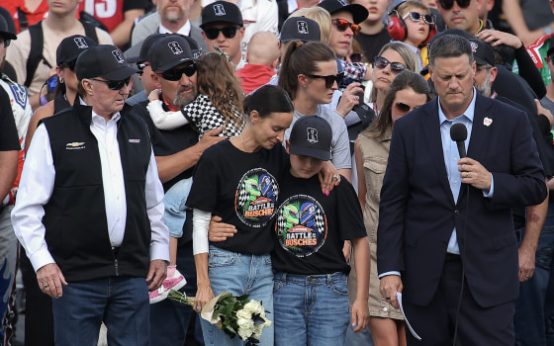 NASCAR Community Mourns the Loss of Kyle Busch
  Persistence in Investigations: Encouragement and Challenges
  Support Pours in for Airport Worker After Viral Video
  Challenges of Reentry After Years in Prison
  YouTuber Sparks Debate Over Abortion Rights and Down Syndrome