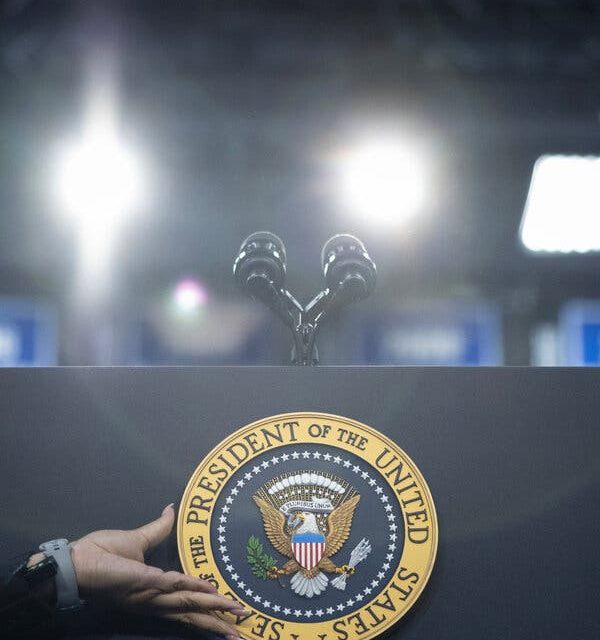
The framers of the United States Constitution knew they were creating a powerful new role with the presidency. At the Constitutional Convention in June 1787, Benjamin Franklin remarked on the uncertainties of future leaders after George Washington, the first president. “The executive will be always increasing here, as elsewhere, till it ends in a monarchy,” he warned.
The delegates recognized the risk of creating a presidential office that could turn into a monarchy. They sought to create a president who would be decisive, responsive, and responsible, while establishing an institutional framework to prevent any one person from wielding unchecked power.
Despite a consensus on the need for balance, delegates disagreed on the specifics. Alexander Hamilton, for example, advocated for a strong executive, even suggesting a lifelong presidency term. In The Federalist Papers, Hamilton emphasized the dangers posed by populists over those favoring stable governance. He wrote, “Of those men who have overturned the liberties of republics, the greatest number have begun their career by paying an obsequious court to the people; commencing demagogues, and ending tyrants.”
As the United States marks 250 years since the Constitution’s drafting, some scholars question its effectiveness in balancing power. With the experience of the second Trump presidency, debates arise on whether the nation’s foundational text offers the checks and balances originally intended.
 Trump Aims to Reduce National Intelligence Office Size
 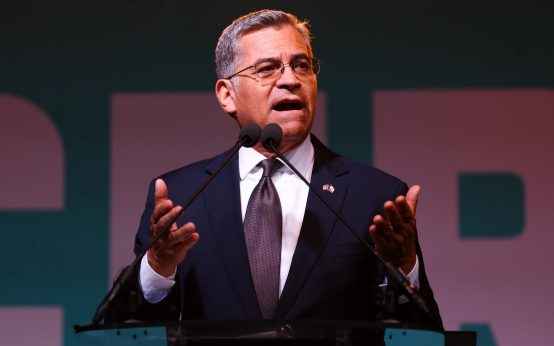 California Primary Election 2026: Key Races and Emerging Results
 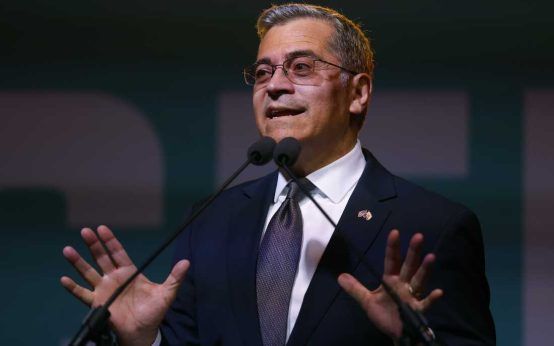 Xavier Becerra Advances in California Governor Race
  Trump Criticizes Senator Tillis Amid Nomination Discussions
 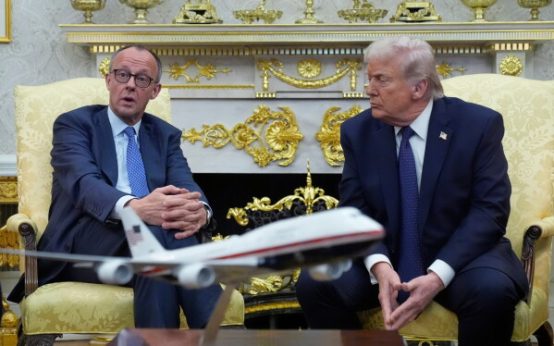 Clarity Sought on U.S. Troop Levels in Europe Amid Policy Changes
  Xavier Becerra Advances in California Governor Race