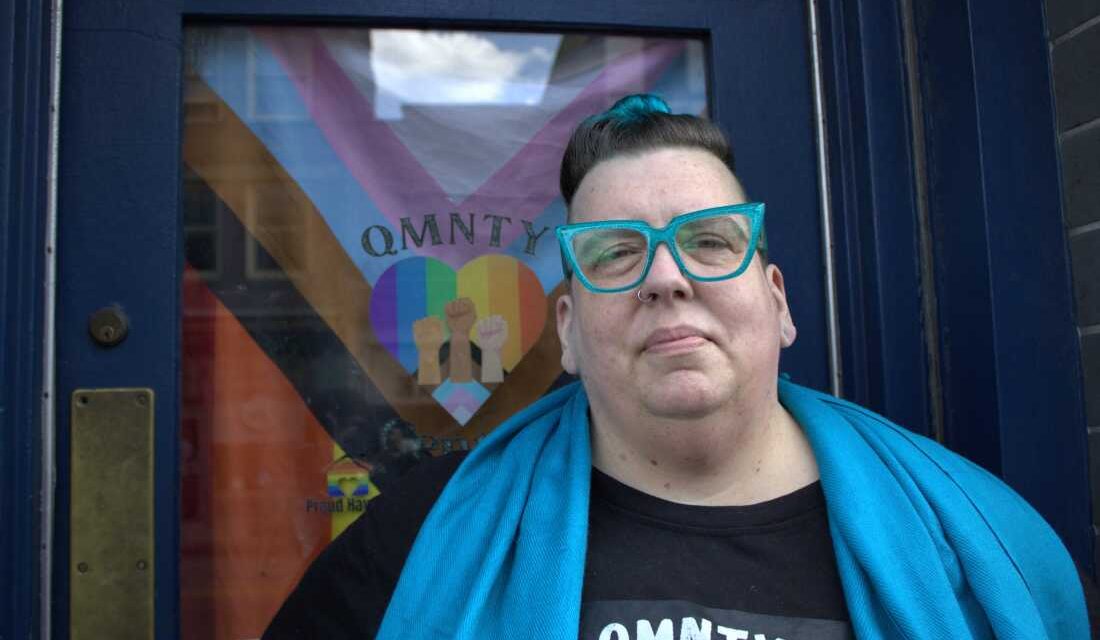
Pride celebrations in the United States face financial challenges as large corporate sponsorships dwindle. Organizers in various cities, such as New York City, Salt Lake City, Louisville, St. Louis, Orlando, and Pittsburgh report a notable decrease in corporate backing. Jordan Braxton, co-president of the United States Association of Prides, supports Pride events nationwide and notes that while some smaller gatherings have gained sponsors, many experience a decline.
The Trump administration’s reduction of Diversity, Equity, and Inclusion (DEI) initiatives has led to increased corporate caution regarding sponsorship. Within his initial days of the 2025 presidency, Trump implemented actions against DEI within the federal government and urged the private sector to cease DEI-related practices deemed discriminatory. “Corporations may fear government scrutiny,” Braxton explains.
Pittsburgh organizers of Pride events aim to offset the shortcomings in sponsorships before their festival and parade in June. Dena Stanley, director of Pittsburgh Pride, emphasizes the considerable costs involved, including permits, security, entertainment, and cleaning services. Current estimates suggest they might secure only 30-40% of previous sponsorship funds. Efforts to bridge this gap involve a state grant and individual donations.
E Ciszek from The University of Texas at Austin, focusing on advertising and public relations, attributes the sponsorship decline to opposition against DEI and trans rights. Ciszek highlights not only budget cuts but also the political risks associated with corporate sponsorships. Many companies now assess the potential legal, political, and consumer backlash associated with supporting Pride events.
“What was once an asset is now seen as a risk,” Ciszek notes.
Pride celebrations offer empowerment in communities where LGBTQ+ individuals face social scrutiny, according to Lyndsey Sickler, a Pittsburgh Pride organizer. These events provide a unique space celebrating identity. The decrease in sponsor funds extends beyond the events, impacting year-round activities and community resources.
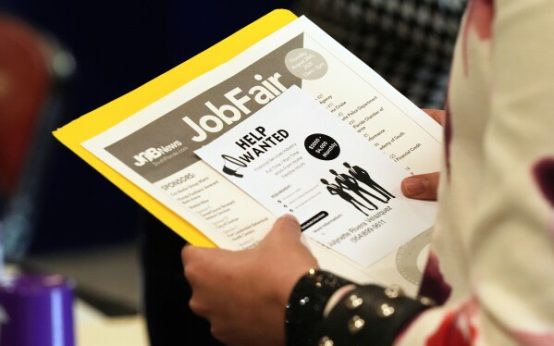
Organizations like the United States Association of Prides clarify that Pride festivals serve various purposes: resource and job fairs and fundraising events. Carrie West of Tampa Pride describes the financial blow when sponsors withdrew, leading to a one-year hiatus for the event.
“Suddenly, without money or grants, operations and planning become impossible,” West expressed.
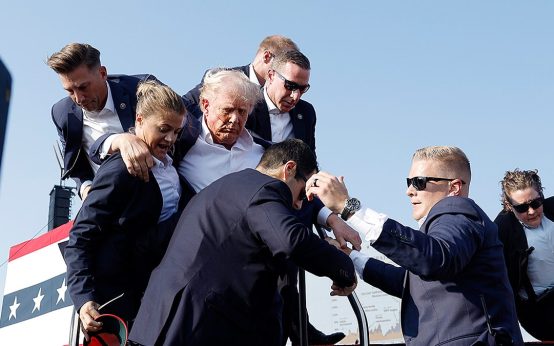 Lawsuits Against Federal Government Following Pennsylvania Rally Shooting
 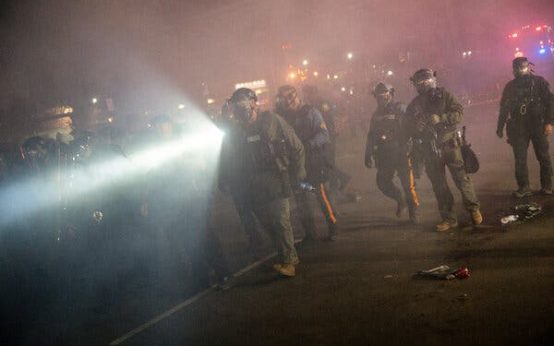 New Jersey Struggles with Protests Near Immigration Detention Center
 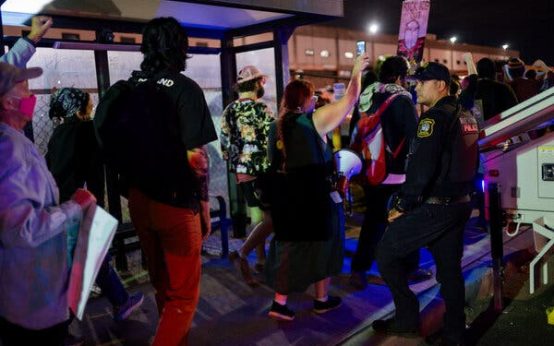 Newark Scales Back Police Presence at Detention Center Protests
  Investigation into Bus Company’s Network and Safety Violations
  Inflation’s Rise Challenges Economists’ Claims
  Support Pours in for Airport Worker After Viral Video