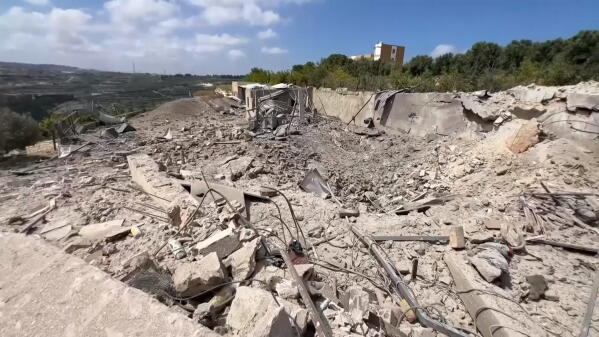
Israeli troops have taken control of a strategic mountain in southern Lebanon, marked by the Beaufort castle, as part of the country’s deepest incursion in over 25 years. This development comes amid intensified conflict with Hezbollah, which began on March 2 after Hezbollah launched rockets into northern Israel. The assault followed an attack by the U.S. and Israel on Iran, Hezbollah’s main ally.
After days of airstrikes and battles with Hezbollah fighters in nearby areas, the capture of the castle signifies a pivotal point in the latest Israel-Hezbollah conflict. This war has seen Israel invade and capture numerous Lebanese towns and villages near the border. Meanwhile, Hezbollah has countered with a barrage of missiles and drones targeting Israeli forces in southern Lebanon and northern Israel.
A Historic and Strategic Fortress
The Israeli military’s Arabic spokesperson, Avichay Adraee, shared a photo showing Israeli soldiers near Beaufort castle. Defense Minister Israel Katz confirmed on social media that the Israeli flag was raised over the site. The Israeli army previously held the castle from its capture in 1982 until their withdrawal in 2000.
Situated atop Lebanon’s green hills and overlooking the Litani River, Beaufort fortress is a key military asset historically used by various armies for nearly a millennium. Originally built as a Crusader castle in the 12th century, the fortress has served numerous powers, including Saladin’s army, Mamluks, Ottomans, French mandate, the Palestinian Liberation Organization, and the Israeli military.
In 1982, the fortress’s capture from the Palestine Liberation Organization marked a significant success for Israel, then under the leadership of Defense Minister Ariel Sharon. That operation extended Israeli control up to Beirut. During the 2024 Israel-Hezbollah war, UNESCO granted additional protections to 34 Lebanese cultural sites, including the castle, to prevent further damage.
Israel Expands Operations in Lebanon
Recently, Israel has widened military actions beyond the Litani River, which served as a boundary, urging residents to evacuate much of southern Lebanon. This expanded operation follows strategic aims to dismantle Hezbollah infrastructure and eliminate direct threats to Israeli civilians.
Israeli forces have advanced towards Nabatiyeh, a key city in southern Lebanon, and have called for its residents, along with those in Tyre, the country’s fourth largest city, to leave. Hezbollah has not released any immediate comments on these developments.
Exchanges Across the Border
Hezbollah recently reported launching attacks on Israeli troops, including targeting a Merkava tank near the border. The group also clashed with Israeli forces in towns near Nabatiyeh and the castle. Meanwhile, concentrated airstrikes by Israel have impacted various southern Lebanese villages, though specific casualty numbers remain unknown.
Hezbollah has fired rockets into northern Israel, including Kiryat Shmona. Their use of elusive fiber optic drones has proven challenging for the Israeli military, prompting nearly 200 alerts in the past day alone.
The ongoing conflict has resulted in the deaths of 3,350 people in Lebanon and displaced over a million people. The office of Israeli Prime Minister Benjamin Netanyahu confirmed that 25 Israeli soldiers, a defense contractor, and two civilians have died in related hostilities.
 Protests Erupt in Albania Over Resort Development
  Clarity Sought on U.S. Troop Levels in Europe Amid Policy Changes
  U.S. Military Awaits Pentagon’s Clarification on Troop Levels in Europe
  Potential Ebola Outbreak in Central Africa Raises Concerns of Rapid Spread
 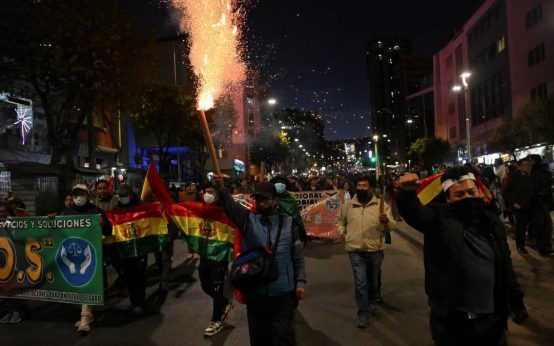 U.S. and Allies Condemn Efforts to Overthrow Bolivian Government
  Pamela Hicks: Cousin, Bridesmaid, and Witness to History