In recent years, fertility rates in the United States have reached near-historic lows. A significant factor is the decline in the number of women having children in their 20s. However, the biological clock hasn’t changed, leading many to explore egg freezing as a solution.
Egg freezing, once a difficult scientific challenge primarily for patients with health conditions affecting fertility, has become mainstream. Over the past 13 years, the demand for non-medical egg freezing has surged, with hundreds of thousands of eggs now frozen. This rise poses questions about the future possibilities it offers to women.
The Process of Egg Freezing
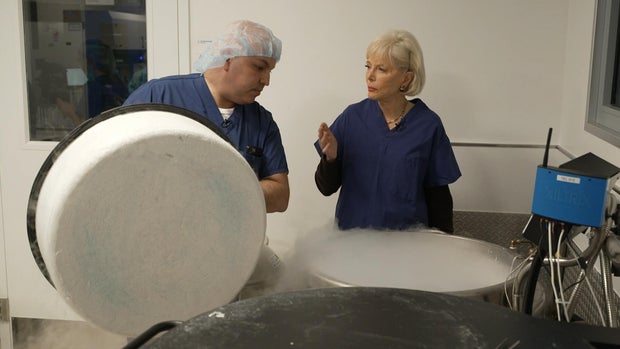
The procedure to freeze eggs begins with self-administered hormone injections over nearly two weeks. These shots stimulate the ovaries to mature multiple follicles containing eggs. A minor surgical procedure follows, extracting these eggs, which are then frozen in liquid nitrogen.
“Egg freezing is as revolutionary as the pill,” says Dr. Tomer Singer, highlighting its potential to let women delay motherhood into their 40s.
Women like Kate Sonderegger and Katherine Schneider have turned to egg freezing to balance career ambitions with future family plans.
Criticism and High Costs
Despite its growing popularity, egg freezing faces criticism. Critics caution that it’s not a guaranteed path to motherhood. Additionally, the procedure is costly. A single cycle can range from $12,000 to $15,000, with storage fees and additional costs for fertilization and implantation later on.
Some accuse companies offering egg freezing benefits of ulterior motives, suggesting these perks aim to retain employees rather than support family planning. Yet, for many women, this benefit adds value, aligning with their career aspirations.
The Reality of Egg Freezing
Experts like Dr. Lucky Sekhon explain that egg quality diminishes with age, making it crucial for women to understand the limitations and risks. Egg freezing doesn’t guarantee a successful pregnancy, as the viability of eggs can vary, just as with natural pregnancies.
Those considering egg freezing should consult with healthcare providers to understand the risks and benefits thoroughly. For some, it offers peace of mind; for others, it may introduce new worries.
Challenges and the Future
The economic barriers remain significant. Lower-income women find it difficult to access this option. Experts argue for societal changes, such as improved parental leave and workplace flexibility, to support younger motherhood.
While some like Dr. Marcelle Cedars express concerns about the commercialization of fertility, advancements in the field continue. Dr. Singer believes that in the future, egg freezing might become routine, changing traditional reproductive methods.
As technology advances and societal norms shift, the conversation about fertility and family planning evolves. While egg freezing offers new choices, it also challenges individuals and society to rethink approaches to motherhood and reproductive health.
 Mount Sinai Health System Faces Subpoena on Gender-related Care
  Potential Ebola Outbreak in Central Africa Raises Concerns of Rapid Spread
  How a Chef is Helping Families Make Affordable, Healthy Meals
  Popeyes Collaborates with The Surf Lodge for a Unique Food Experience
  Researchers Escorted Out of Diabetes Conference for Criticizing Trump Administration
  Ebola Outbreak in Africa: A Serious Concern