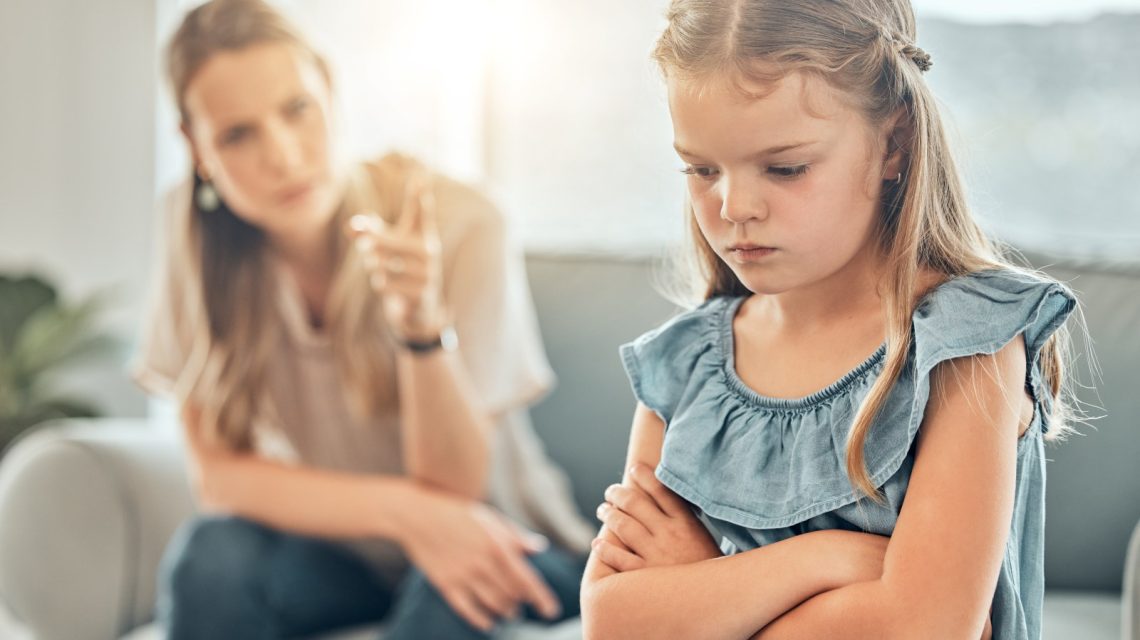
“Lilly, meet Joel,” a friend introduced me to his daughter. “Nice to meet you, Lilly,” I replied. Lilly, beaming, greeted me cheerfully. The meeting was cordial but highlighted a dilemma. Lilly was four and I was 67. Traditionally, a child should address me as “Mr. Alperson.” Respect for elders, especially among the younger generation, is diminishing notably, with significant consequences.
The National Center for Education Statistics found a troubling rise in school discipline issues. It noted increased reports of verbal abuse towards teachers from 5% to 10% and other disrespectful behaviors from 9% to 15% between 2009-10 and 2019-20. Further findings published in Science Advances in 2019 revealed a general belief that children today show less respect for elders. This sentiment was stronger among individuals who value authority.
Perhaps more alarming, the American Psychological Association revealed that between 2019 and 2023, 57% of teachers experienced at least one act of physical violence during the school year. Addressing these trends requires several strategic approaches.
Instilling Discipline
Discipline is crucial and must come from parents alongside love. A well-loved child lacking respect for elders may later face difficulties navigating work, relationships, or societal interactions. Parents should prioritize preparing their children to handle such challenges over any resentment they might experience in enforcing respect.
As Dennis Prager highlights in his Bible commentaries, the command to honor parents rather than love them acknowledges the complexity of parent-child relationships. The Bible mandates respect even if relationships are strained, emphasizing an expectation for parents to embody respectable authority figures.
Setting Behavioral Standards
A child’s language and demeanor deeply influence self-regard and respect for others. Profanity and slang degrade these standards, as does the practice of addressing adults informally by their first names. Even spiritual and medical leaders should be addressed with proper titles to maintain a respectful distinction.
Historically, traditions like standing when a teacher entered the room fostered respect. Today, dismissing such practices as outdated undermines the authority of teachers. Parents should support educators by backing their reasonable assessments and open criticisms about their child’s behavior. Misplaced parental protection can deprive children of valuable lessons needed for development.
Role of Respect
Children should learn to wait their turn in conversation, understanding that adult discussions carry importance. Disrespect, such as interrupting, signals disregard for adults’ authority and knowledge.
Respecting adults acknowledges their broader experience. Adults possess life lessons and wisdom that children are yet to comprehend. Beyond religious figures, parents and grown-up acquaintances can mentor children into responsible adulthood.
Furthermore, adults often endure significant hardships, deepening their perspectives. Honoring those experiences enriches the younger generation’s understanding and growth.
Impact on Society
Communities thrive on respect and learning from experienced individuals. The innate conscience alone cannot guide morality; it requires nurturing by respected mentors. Children flourish in environments where adults share their wisdom and mistakes serve as teaching moments, ensuring societal stability over time.
While insisting on respect might seem harsh, it encapsulates love’s truest form, steering children towards fulfilling lives.
Joel Alperson is the Chief Business Officer of NeuralRegen, focusing on Parkinson’s and Alzheimer’s treatments. He edits Dennis Prager’s The Rational Bible and previously chaired the United Jewish Appeal campaign. He and his wife Conny parent four children.
 Weekend Sports Highlights and NIL Debate
  NASCAR Community Mourns the Loss of Kyle Busch
  Persistence in Investigations: Encouragement and Challenges
  Support Pours in for Airport Worker After Viral Video
  Challenges of Reentry After Years in Prison
  YouTuber Sparks Debate Over Abortion Rights and Down Syndrome