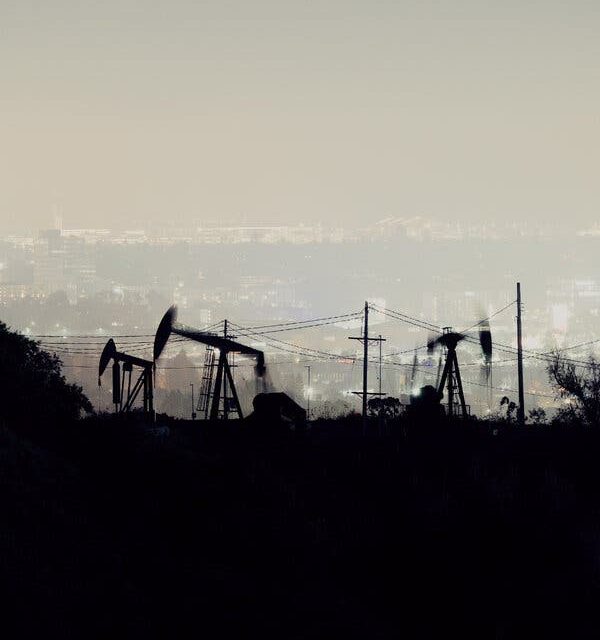
The potential peace agreement between the United States and Iran may not immediately restore the prewar energy flows through the Strait of Hormuz. Even after clearing mines, tanker captains remain cautious about the security of the passage. Insurance costs will likely increase, adding millions to the trip’s expense.
The global community is gradually adapting to life without the Gulf’s seaborne exports. As the Covid-19 pandemic and former President Trump’s tariffs led to changes in global supply chains, the closure of the Strait has driven similar adjustments. An example is seen in consumer behavior; Walmart notes that customers now purchase less than 10 gallons of gas per visit on average amid soaring prices.
Countries like the United States, Brazil, Canada, Kazakhstan, and Venezuela are boosting oil production to offset the shortfalls. The U.S. is also releasing large amounts of crude oil from its Strategic Petroleum Reserve to cover the gap. Market dynamics resemble a stream finding new paths around obstacles when faced with disruptions.
Nevertheless, challenges persist. Qatar, reliant on the Strait for its liquefied natural gas exports, might see its economy shrink by over 9% this year, according to the International Monetary Fund. The Gulf region anticipates a more than 50% reduction in growth forecasts. In the U.S., gas prices remain high despite local supplies, with California averaging about $6 per gallon and the national average around $4.25, due to global pricing.
Higher natural gas costs are affecting German petrochemical production, while the lack of Gulf-sourced fertilizer has driven food prices up from Egypt to Indonesia. This inflation affects American farmers and consumers as well.
Markets continue to adapt. Some oil still exits the Gulf via ships, some protected by the U.S., and through pipelines in Saudi Arabia and the United Arab Emirates, which can substitute for up to a quarter of usual seaborne flows. Amid controversy, the Trump administration lifted certain sanctions on Russian oil to alleviate U.S. energy challenges, even if Russian oil sales support its actions in Ukraine.
 Xavier Becerra Advances in California Governor Race
  Pentagon Reduces Recognized Religious Affiliations
  U.S. Military Awaits Pentagon’s Clarification on Troop Levels in Europe
  Xavier Becerra Advances in California Governor Race
  Graham Platner’s Campaign Amid Controversy
  South Carolina GOP Primary Heats Up as Trump Endorses Evette