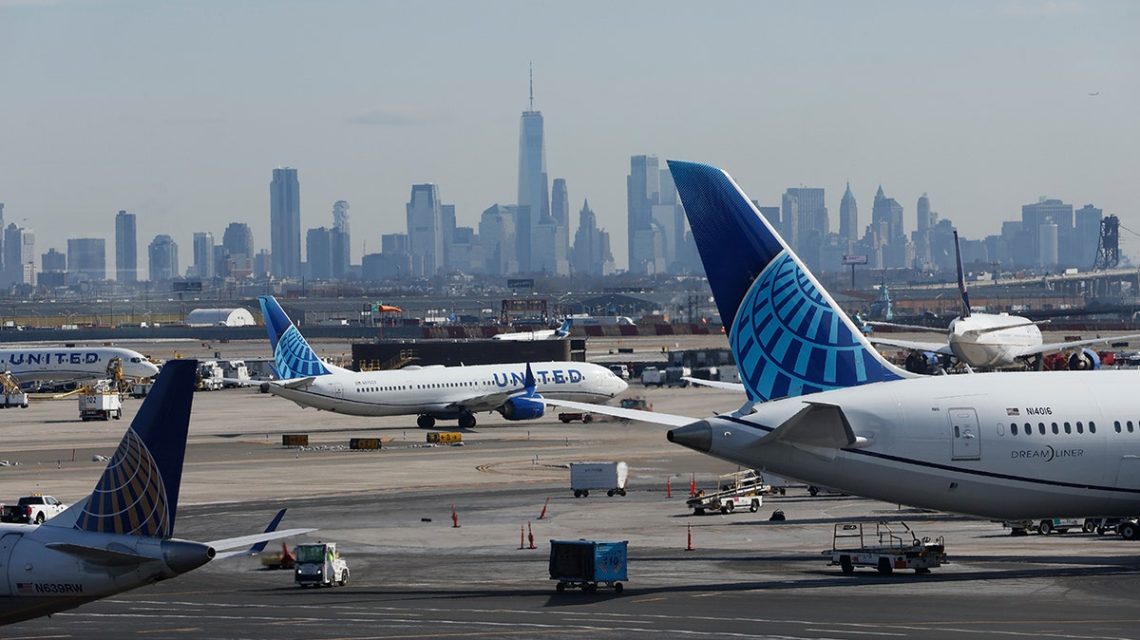
This summer, countless Americans will travel by air for vacations, family gatherings, and unique adventures. They will endure airport security, navigate crowded terminals, and settle into their flights, trusting the aviation system’s safety.
The U.S. aviation system is considered the safest globally, thanks to its layers of protection: skilled pilots, rigorous training, and high standards. Today, these layers face increasing pressure from more traffic, complexity, and aging infrastructure. Recent gaps in safety technology further strain the system.
Passengers rarely see the full workings of air safety. Pilots, however, view it daily. They prioritize flight safety, ready to make decisions about delaying, canceling, or diverting flights. Pilots assess conditions like weather and fuel continuously until the aircraft reaches the gate, as they recognize the responsibility they hold.
Over the last 15 months, signs of strain have become apparent. There have been incidents like a midair collision near Washington National Airport and a runway collision at LaGuardia. These point towards a system under significant pressure, further stressed by an aging air traffic control system and staffing shortages.
Warnings about DC midair collision ignored, says ex-controller.
To reduce risks, the aviation system needs ongoing investment in technology, infrastructure, and staffing. It requires modernization of air traffic systems, updates to equipment, and ensuring adequate training for air traffic controllers.
The House’s ALERT Act is a step forward but doesn’t fully address safety gaps. Commercial aircraft generally use ADS-B Out technology, broadcasting real-time data about location and speed. However, ADS-B In, which shows nearby aircraft on screens for pilots, is not mandatory.
If military and other government aircraft aren’t required to transmit data like commercial aircraft, safety remains compromised. Therefore, an aviation safety bill should mandate a comprehensive ADS-B In suite.
The ROTOR Act, passed by the Senate, requires this suite, providing pilots with a clearer view of nearby aircraft. It delivers alerts for potential collisions, offering more time for evasive actions. By reducing exemptions and setting deadlines, such measures could prevent incidents like Washington’s midair collision.
When proven technology is available and risks are known, Congress must enforce comprehensive solutions. The aviation system can stay safe, but continued attention to recent incidents and technology gaps is essential.
As summer travel increases, lawmakers have the chance to fortify the safety layers that protect travelers. They should draw the best elements from both the ROTOR and ALERT Acts to prevent future tragedies and maintain flight safety.
Capt. Jason Ambrosi serves as the president of the Air Line Pilots Association, the largest union of airline pilots in the U.S. and Canada.
 Weekend Sports Highlights and NIL Debate
  Fictional CEO’s Warning on Socialism and Communism
  Commencement Speakers Face Backlash Due to A.I. Focus
  Teaching Respect Across Generations
  Embracing Heterosexual Relationships in Modern Times
  Insights from the Weekend: Cunningham’s Fashion, Coaching Challenges, and More