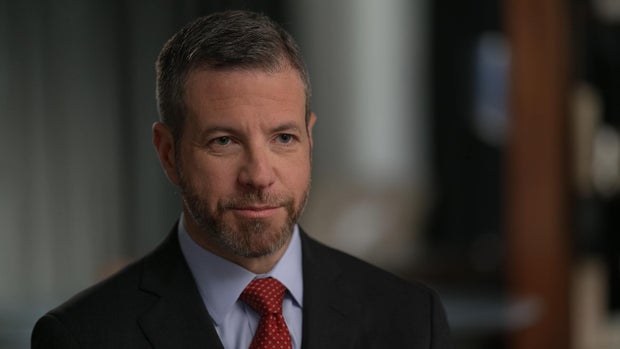
Nine Polymarket accounts have earned over $2.4 million by betting on U.S. military actions, according to digital detectives at Bubblemaps. These accounts wagered on specific dates during the conflict with Iran: the first U.S. strikes, the removal of Iran’s supreme leader, and the ceasefire announcement. Among more than 80 bets, they had a 98% win rate, even when the odds seemed unfavorable. Bubblemaps co-founder Nicolas Vaiman shared these findings with 60 Minutes, stating, “Luck alone cannot explain those numbers.”
Prediction markets have surged in popularity, allowing users to speculate on various future events. A recent indictment of a U.S. Army soldier for allegedly using classified information to win bets underscores potential insider trading risks. “This is a new kind of insider trading,” said Rob Schwartz, a partner at Morgan Lewis, who spent 13 years at the Commodity Futures Trading Commission. Polymarket’s platform is transparent, enabling firms like Bubblemaps to analyze activities, although traders remain anonymous.
Despite U.S. restrictions on military bets, users navigate them with VPNs. Army Master Sgt. Gannon Ken Van Dyke allegedly made wagers related to a raid on Nicolás Maduro, yielding over $400,000. After withdrawing his profits, Van Dyke tried to delete his betting account. Deebs, head of investigations at Bubblemaps, noted potential corruption stemming from the ease with which people in military circles can access sensitive information.
Analysis by the Anti-Corruption Data Collective showed bets on military markets were often successful despite low odds, indicating possible insider trading. David Kovel, a lawyer representing fraud victims, expressed suspicion about trades in the commodities markets during negotiations between the U.S. and Iran. An $800 million wager on a decrease in oil prices coincided with a social media post from President Trump about productive talks with Iran.
“Identifying who it was would be the secret to figuring out whether it was insider trading or not,” said Kovel.
60 Minutes learned federal investigators are examining these trades, though charges have not yet been filed. Traders may be domestic, foreign, or adversarial entities.
Threats have emerged from bettors upset with reports affecting their wagers. Emanuel Fabian, a journalist who covered an Iranian missile strike, received threats of violence. His piece disproved parts of certain bets, enraging those who lost money.
Polymarket responded to threats by banning accounts involved. The CEO acknowledged insider information’s role in prediction markets and emphasized ethical considerations. The Commodity Futures Trading Commission, responsible for oversight, has seen staffing and enforcement decrease since 2024.
A White House memo recently reinforced that using nonpublic information on prediction markets is a criminal offense. Potential implications for national security exist, with insider trading data possibly aiding foreign adversaries in wartime strategy. “This could be putting people’s lives at risk,” Deebs warned.
Polymarket’s statement affirmed their dedication to market integrity using AI-powered surveillance, blockchain forensics, and collaborations with analytics firms. They act upon identified suspicious activities, cooperating with law enforcement as demonstrated in Van Dyke’s case.
 Judge Overturns Trump-Era Immigration Policies
  Trump Aims to Reduce National Intelligence Office Size
  California Primary Election 2026: Key Races and Emerging Results
  Xavier Becerra Advances in California Governor Race
  Trump Criticizes Senator Tillis Amid Nomination Discussions
  Clarity Sought on U.S. Troop Levels in Europe Amid Policy Changes