
In the wake of federal immigration raids last fall, businesses in Chicago’s immigrant neighborhoods faced severe disruptions. Erick Camargo’s hair salon in Chicago saw a drastic drop in daily customers, from about 40 to as few as five. As a result, Camargo began locking his doors during business hours to prevent entry by immigration officers.
Operation Midway Blitz led to such fear among customers that they stopped arriving in family groups, instead coming alone and hurriedly entering the salon to avoid immigration authorities. Neighborhood regulars, such as a boy selling chocolates and a woman selling tamales, were detained and haven’t been seen since, according to Camargo.
Six months on, many businesses in Chicago’s immigrant communities continue to struggle with the fallout from these raids. Illinois lawmakers are now debating solutions to help these businesses recover. Two proposals have been suggested. One is a $50 million grant program managed by the Illinois Department of Commerce and Economic Opportunity (DCEO). The other, which recently passed the House, is a loan program designed for small businesses during declared economic shocks, such as decreased foot traffic and business closures.
“The bills don’t wait for us. Everything is more expensive,” Camargo remarked, emphasizing the ongoing challenges his business faces despite some recovery.
Each measure focuses on small businesses. The grant program limits eligibility to businesses with 25 employees or fewer. The loan program targets businesses with 50 employees or fewer and annual revenues below $3 million. Loans may go up to $50,000 with a fixed 2% interest rate and no repayments required for the first six months.
Chicago Democratic Sen. Mike Simmons advocates for the grant program, arguing that some businesses are not financially positioned to take on debt. “This program would send a strong message that the trauma from the ICE raids isn’t resolved,” he stated.
Despite support, the proposals face hurdles. Gov. JB Pritzker’s budget plan does not include significant new expenditures, and with the legislative session nearing its end, balancing budget demands remains challenging.
Eliza Glezer of DCEO expressed support for helping small businesses but noted additional funding would be necessary. “A program like this would require new funding for the FY27 budget,” she indicated in a statement.
Illinois is not alone in grappling with these issues. A Los Angeles County study found that 44% of businesses reported losing over half their revenue following immigration raids. Similarly, Minneapolis small businesses suffered an $81 million loss during the Operation Metro Surge.
Around 2,500 deportations and 3,800 detainments resulted from the Chicago raids, mostly involving individuals without criminal records. President Donald Trump had previously criticized Chicago, contributing to the tense atmosphere during the operation.
The economic impact was immediate. Marcos Carbajal, operating the Carnitas Uruapan restaurant in Pilsen and Gage Park, reported a 25%-30% drop in weekly sales. In Little Village, sales plummeted 40% due to federal agents’ presence. Carbajal implemented safety measures, cut hours, and used reserves to sustain his business.
“They don’t need a handout,” said Andres Solarte of the Illinois Hispanic Chamber of Commerce. “They need to be able to weather the storm.”
The Illinois Hispanic Chamber of Commerce expects more clarity on revenue loss once business tax filings are available later this year. Solarte believes the loan program will support businesses still coping with reduced customer levels while preparing for future uncertainties. Local businesses were forced to adapt by modifying hours and staffing, but support from state initiatives could be pivotal in their recovery.
 Lawsuits Against Federal Government Following Pennsylvania Rally Shooting
 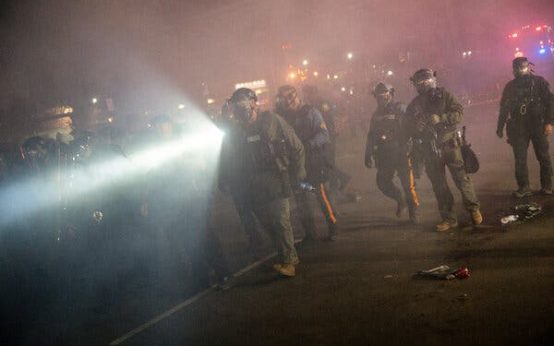 New Jersey Struggles with Protests Near Immigration Detention Center
 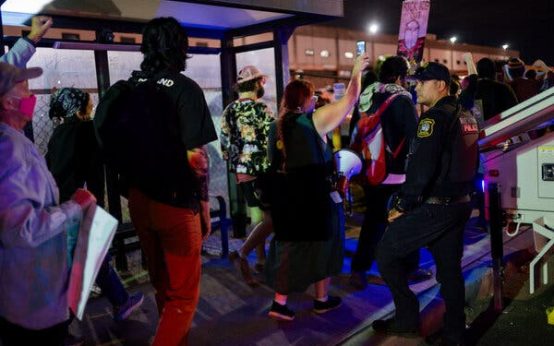 Newark Scales Back Police Presence at Detention Center Protests
  Investigation into Bus Company’s Network and Safety Violations
  Inflation’s Rise Challenges Economists’ Claims
  Support Pours in for Airport Worker After Viral Video