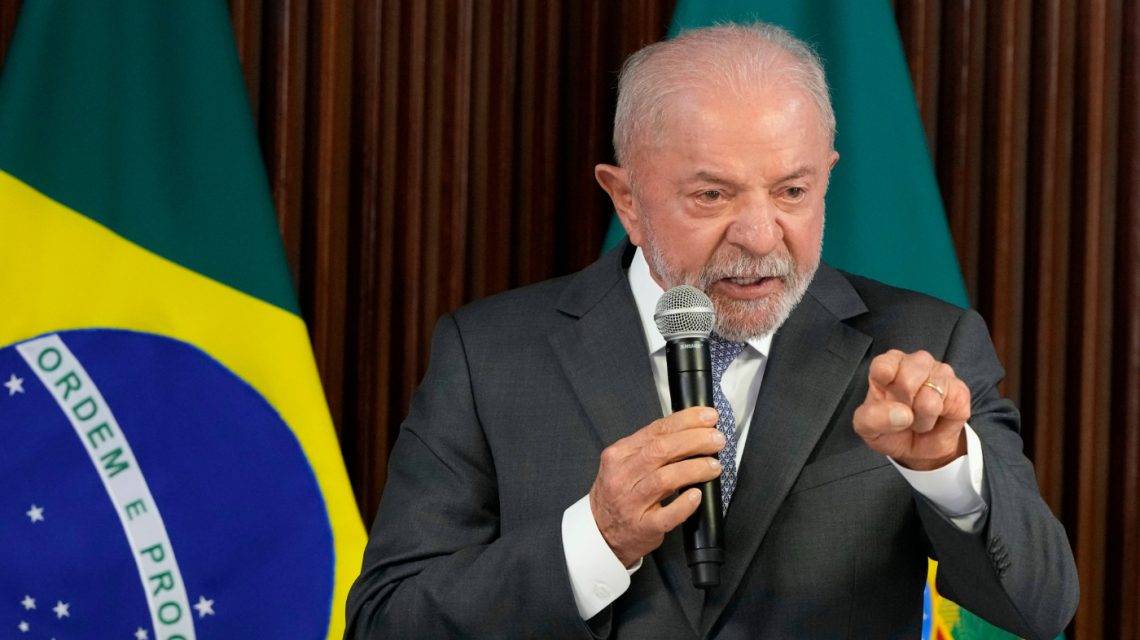
This week, Brazilian President Luiz Inacio Lula da Silva took a significant turn in his international relations, intensifying tensions with the United States while depending more heavily on China. Such moves might pose risks to Brazil’s economic stability, national security, and sovereignty.
Increased Tensions with the United States
Lula recently criticized U.S. policies and referred to Secretary of State Marco Rubio as a ‘frustrated Latin American’ and a ‘mortal enemy’. These remarks followed the U.S. imposing 25 percent tariffs on Brazil, alleging unfair trade practices, and labeling Brazilian gangs Primeiro Comando da Capital and Comando Vermelho as terrorist entities. The current climate of hostility might impact bilateral trade, which was significant in 2023 with a total trade value of $74.8 billion.
Growing Dependence on China
As relations with the U.S. deteriorate, Brazil has turned to China as a key economic partner. Plans to issue panda bonds in yuan indicate deepening financial ties. Brazil’s export of commodities like iron ore, soybeans, and oil predominantly go to China. This financial strategy might limit Brazil’s economic autonomy.
The relationship extends beyond trade. China’s naval forces collaborated with Brazil in joint exercises involving the Silk Road Ark, a military hospital ship, reflecting a closer military and strategic partnership.
Challenges in Human Rights and Telecommunications
Lula’s administration faces criticism for similarities with exploitative labor practices. Reports surfaced of 163 Chinese workers illegally brought for the construction of a BYD car plant under questionable conditions.
In telecommunications, Brazil partners with Huawei, accused by the U.S. and others of espionage. Critics like former U.S. Senator Rubio have highlighted security risks associated with Huawei’s involvement in telecom infrastructure.
Impact on Drug Trafficking and Security Initiatives
In combatting organized crime, Brazil remains skeptical about the U.S.-led ‘Shield of the Americas’ initiative. Lula’s resistance to labeling certain gangs as terrorist organizations suggests a softer stance compared to other nations.
Space Collaboration and Strategic Risks
Brazil and China are collaborating on space-related projects such as the Joint Radio Astronomy Technology Laboratory and the BINGO telescope. Analysts warn of potential military implications of these advancements, given China’s pursuit of enhanced capabilities in the region.
The current direction under Lula’s leadership has prompted discussions about Brazil’s future geopolitical role and economic resilience. Critics urge a reassessment of priorities to reduce dependency on China and restore balanced diplomatic relations.
Arturo McFields, an experienced journalist and former ambassador, shares insights on these developments, warning of the broader implications for Brazil’s sovereignty and economic health. He emphasizes the importance of pragmatic leadership capable of navigating complex international challenges.
 Police Raid at Jiangyou Church in Sichuan Province Sparks Outcry
 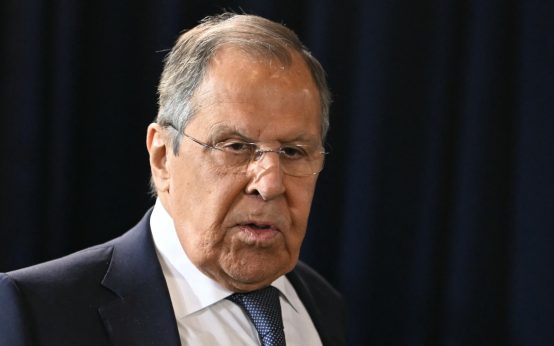 Russia’s Cautious Support for U.S.-Iran Agreement Signals Hope and Skepticism
 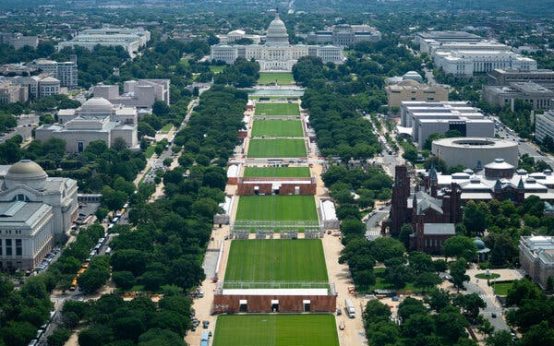 Partisan Divide in America’s 250th Anniversary Celebrations
 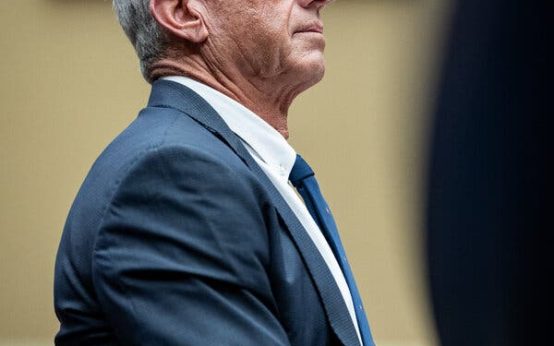 Trump Administration Seeks Appeal in Vaccine Panel Ruling
  Montana Senate Race: Democratic Rift Gives Republicans an Edge
 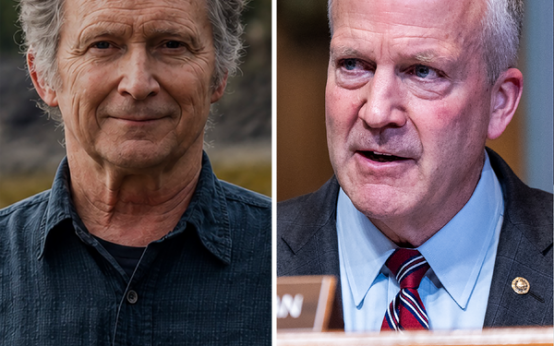 Alaska Elections Director Removes One Dan Sullivan from Senate Ballot