
In Canada, the World Cup focuses on soccer’s spirit as opposed to the surrounding political climate affecting the United States. Political issues like tensions with Iran and immigration policies cloud the mood south of the border. In contrast, Canada Soccer President Peter Augruso emphasizes the universality of soccer, stating it unites people regardless of their background. Soccer is ingrained in Canadian society, from schools to community centers across the nation.
Challenges and Opportunities
Though enthusiasm exists, Canada’s hosting of the World Cup faces critique. Concerns include high ticket prices and the event’s impact on marginalized communities. A government report estimates a $1 billion expenditure from federal and local governments for hosting duties. Still, the tournament offers Canada an opportunity to distinguish itself from the U.S. on the world stage.
Canada maintains a contrasting stance, especially given the United States’ diplomatic tensions. The Iranian soccer team’s relocation of their training base from Arizona to Tijuana, Mexico, highlights these dynamics. There is also concern regarding U.S. immigration practices impacting World Cup visitors. Augruso emphasizes Canada’s strength in diversity, stating at the FIFA Congress that it enriches the nation rather than diminishes it.
Anticipation for Matches
Toronto and Vancouver will host 13 matches. The opening ceremonies kick off on June 12 in Toronto, with notable performances from Alanis Morissette and Michael Bublé. Canadian player Richie Laryea notes the growing excitement in Toronto, projecting the World Cup will significantly influence the city’s atmosphere once the games commence. Following the match against Bosnia and Herzegovina, Canada plays Qatar and Switzerland in Vancouver.
Soccer’s growing popularity in Canada is evident. The nation participated in the 1986 and 2022 World Cups but never progressed past the group stage. This time, the Canadian team plays all Group B matches at home. Increased participation and public interest in soccer can be traced back to events like the 2010 Winter Olympics and the Women’s World Cup in 2015.
The Future of Soccer in Canada
Jesse Marsch, Canada’s coach, compares this moment to the 1994 World Cup in the U.S., which significantly impacted the development of Major League Soccer. Marsch emphasizes the importance of providing opportunities for players and coaches to grow the sport in Canada. Canada has already seen a surge in interest, partly due to homegrown talents like Alphonso Davies and Christine Sinclair.
Soccer now ranks as the top sport for Canadian youth aged 5 to 17 according to recent data. The national team’s performance this summer will be pivotal in shaping Canada’s World Cup legacy. Coach Marsch praises his team’s diversity and commitment, viewing them as a reflection of Canadian values. He underlines their competitive nature as key to their success on the field.
 U.S. Military Awaits Pentagon’s Clarification on Troop Levels in Europe
  Potential Ebola Outbreak in Central Africa Raises Concerns of Rapid Spread
 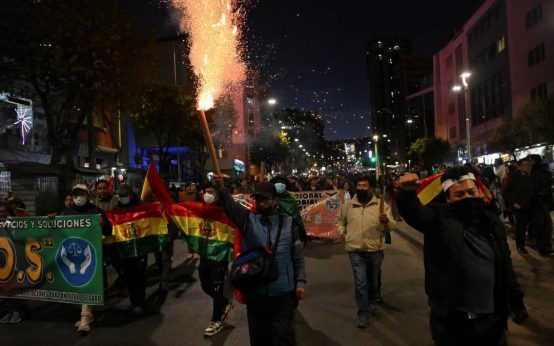 U.S. and Allies Condemn Efforts to Overthrow Bolivian Government
  Chicago Cubs Struggle Despite Brief Optimism After Rally
  Pamela Hicks: Cousin, Bridesmaid, and Witness to History
  Knicks Fans Rally Across the Nation for NBA Finals Glory