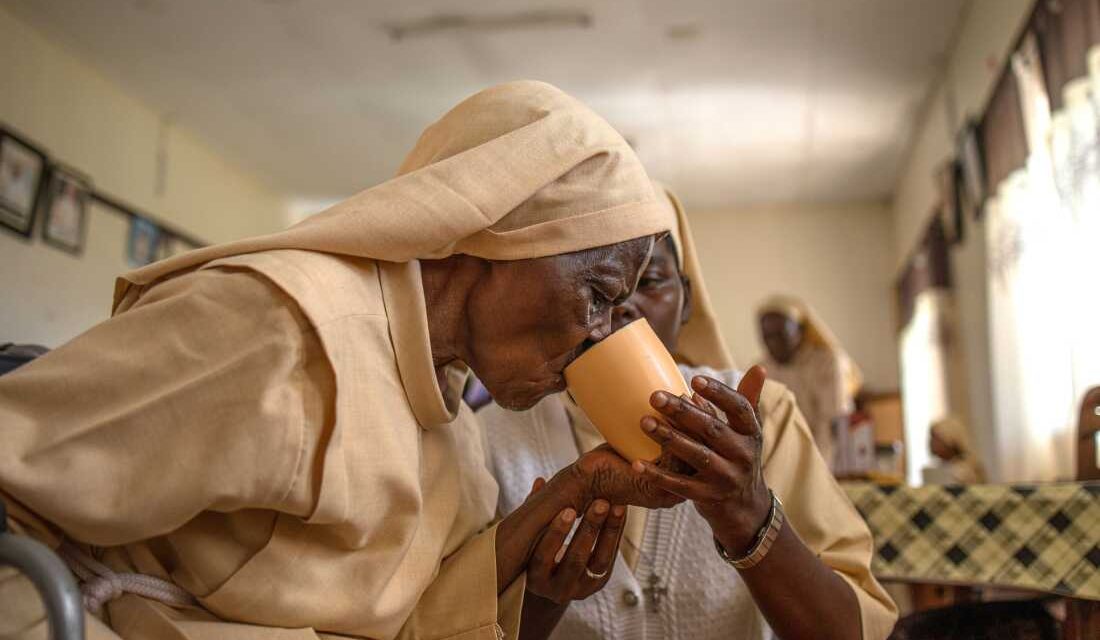
In Nkokonjeru, Uganda, Sister Jane Frances Nakafeero moves thoughtfully between rows of white crosses, each decorated with pink and yellow flowers, in the cemetery of the Little Sisters of St. Francis convent. She points to graves, recalling the diverse paths of the sisters laid there—a nurse, a teacher, a social worker, a doctor. Aspiring nuns start their journey in this convent, taking vows before proceeding to serve the community. Eventually, many return to rest in the same place they began.
The convent also shelters retired nuns. Sister Nakafeero, the superior general, worries about their care. Many are elderly and in need of resources like adult diapers, wheelchairs, and warm blankets. The financial strains are acute, especially compared to better-funded American and European religious orders.
Palliative care, designed to provide support to those at the end of life, is a recent addition from the 1960s. It remains unfamiliar in many African communities, including church circles. In 2023, Sister Nakafeero shared these challenges at the African Palliative Care Association’s meeting. Her concerns captured the attention of Jean Callahan, former chair of the Irish Hospice Foundation. Reflecting on her Irish grandmother’s journey to Tanzania as a nun in the 1950s, Callahan understood the urgency.
Nakafeero and Callahan initiated a pilot program with the African Palliative Care Association in September 2025. It aims to improve hospice support for aging nuns, addressing medical and psychological needs while offering mental stimulation and caregiver training. The program’s full implementation is ongoing, led by Eve Namisango from the association.
There are approximately 82,000 nuns across Africa, with an estimated 8,000 to 10,000 in need of end-of-life care. Retired sisters at the Nkokonjeru convent start their day with prayer. Father Joseph Balikuddembe guides daily mass, but he worries the sisters lack activities to keep their minds engaged.
Meals follow prayer, with nuns seated at worn wooden tables. Limited wheelchairs often mean some nuns stay inside rather than enjoying the sun. Among those in the convent is Sister Mary Hedwig Agoya, who joined at 14, and Sister Rosemary Luyiga, who came at 12. Both have served dedicated lives within the order but now face feelings of loneliness.
Sister Mary Consolata Nakawooja, a trained geriatric care worker, looks after the retired nuns. The challenges are constant, with psychological and practical demands. She emphasizes the need for psychological support, explaining that redefining identity is part of palliative care’s role.
Jean Callahan observes that nuns, unlike their male counterparts, often receive less support. While bishops traditionally manage diocesan welfare, nuns frequently manage their own care. The financial backing for this vital support initiative involves campaigning for a $135,000 goal.
Sister Nakafeero finds personal resonance in the endeavor. Her father’s own end-of-life journey inspired her work in palliative care. Looking at the convent’s graves, she reflects on her future and hopes for compassionate care when her time comes.
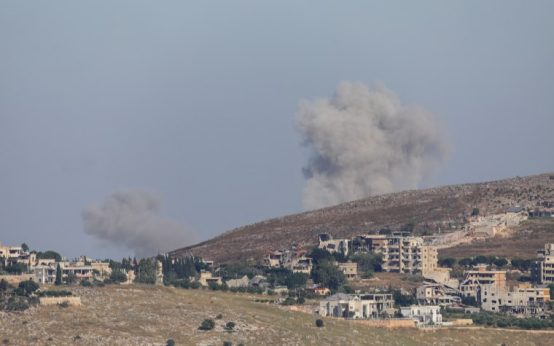 Israeli Strikes in Southern Lebanon Escalate Tensions Amid Ceasefire Efforts
 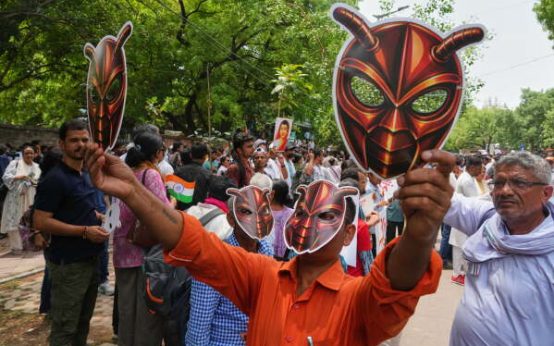 Protestors Demand Education Minister’s Resignation Over Exam Leaks
  Cattle Removal on Bananal Island Sparks Complex Debate
  Vietnamese Deportee Returns Home After Lengthy Detention in South Sudan
  Political Shifts in New York Under Mayor Mamdani
  World Cup Rankings and Day Nine Highlights